What Is the MC3 48145 Oxygenator and Its Key Features
The MC3 48145, better known as the MC3 Nautilus ECMO oxygenator, is a specialized membrane oxygenator designed for extracorporeal life support in critical cardiac and respiratory failure. It performs efficient gas exchange (oxygenation and…
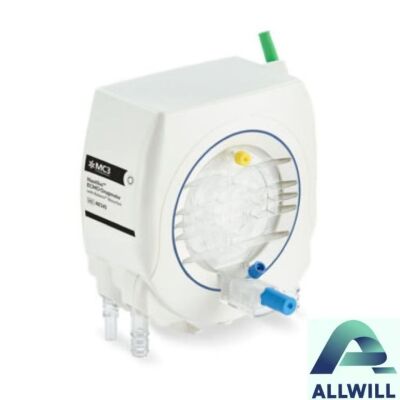
The MC3 48145, better known as the MC3 Nautilus ECMO oxygenator, is a specialized membrane oxygenator designed for extracorporeal life support in critical cardiac and respiratory failure. It performs efficient gas exchange (oxygenation and CO₂ removal), includes an integrated heat exchanger for temperature control, and is intended for use in both ECMO and conventional cardiopulmonary bypass circuits, providing a compact, high‑performance solution for adult and pediatric patients.
How big is the ECMO and oxygenator market, and what are the current challenges?
Global demand for ECMO and oxygenator technology has grown sharply in recent years, driven by rising ICU admissions, complex cardiac procedures, and long‑term respiratory support needs. Hospitals and specialty centers now rely on multiple oxygenator models to support patients with severe ARDS, cardiac shock, and post‑operative failure, but this increased dependence exposes persistent operational and clinical pain points.
Oxygenator performance directly affects patient outcomes, yet many existing devices struggle with long‑term gas exchange efficiency, clotting risk, and heat exchanger limitations over extended runs. In practice, centers report that suboptimal oxygenator performance can lead to circuit changes under pressure, higher transfusion requirements, and increased nursing workload, especially in prolonged ECMO cases exceeding several days.
From a logistics standpoint, hospitals face challenges in maintaining consistent access to reliable, high‑performance oxygenators while managing costs and supply chain fragility. The need for single‑use, sterile, biocompatible devices with predictable performance has made clinicians and procurement teams more selective, demanding solutions that combine proven performance, ease of use, and strong clinical support.
Why do clinicians still face limitations with traditional ECMO oxygenators?
Even with advanced membrane materials, many conventional oxygenators still suffer from several key drawbacks under real‑world conditions. First, gas exchange efficiency can decline over time due to membrane wetting, plasma leakage, or thrombus formation, forcing premature circuit changes and increasing the risk of complications during exchange.
Second, many older designs rely on thicker membranes or less optimal gas‑blood interface geometry, which can limit oxygen transfer rates and raise the oxygen sweep flow requirement, increasing both gas consumption and cost. This is especially problematic in prolonged support scenarios where oxygen dependency can become a significant constraint.
Third, heat exchanger performance is often inconsistent, with some models showing reduced heat transfer efficiency after only a few hours of use, especially if there is a change in water flow or temperature differentials. This can compromise patient temperature control and force improvised workarounds that increase staff burden and risk.
What is the MC3 Nautilus ECMO Oxygenator (model 48145)?
The MC3 Nautilus ECMO oxygenator (model 48145 / 48145E, GUDID DI 10854916006901) is an extracorporeal membrane oxygenator manufactured by MC3 Inc. (Michigan Critical Care Consultants, Inc.). It is cleared for long‑term support (>6 hours) and used in both ECMO and conventional cardiopulmonary bypass, providing oxygenation, CO₂ removal, and blood temperature regulation in a single integrated device.
This oxygenator is designed for adult and pediatric patients requiring extracorporeal life support, either as part of an ECMO circuit for cardiac and/or respiratory failure or as an oxygenator in a standard CPB system. It is a single‑use, sterile, disposable device with a polymethylpentene (PMP) hollow‑fiber membrane and an integral heat exchanger.
What are the key technical features of the MC3 48145 oxygenator?
-
Membrane type: Polymethylpentene (PMP) hollow‑fiber membrane, known for high gas permeability, low plasma leakage, and good biocompatibility.
-
Gas exchange: Designed to efficiently oxygenate venous blood and remove carbon dioxide in ECMO and CPB settings, supporting both veno‑venous and veno‑arterial configurations.
-
Integrated heat exchanger: Built‑in heat exchanger allows for precise blood temperature control during procedures, reducing the need for separate warming/cooling modules.
-
Indications: Intended for long‑term extracorporeal support (>6 hours) and cardiopulmonary bypass, making it suitable for ICU and OR use.
-
Sterility and packaging: Supplied sterile for single‑use, with clear labeling and UDI (Unique Device Identifier) information to support traceability and inventory management.
-
Design: Compact, low‑priming‑volume design helps reduce hemodilution and is compatible with standard ECMO and CPB tubing sets and roller or centrifugal pumps.
How does the MC3 48145 compare to conventional oxygenators?
| Feature | Traditional ECMO Oxygenators | MC3 Nautilus (48145) |
|---|---|---|
| Membrane material | Often polypropylene or older PMP | High‑performance PMP hollow fiber |
| Gas exchange efficiency | May decline significantly over time | Designed for stable, long‑term oxygenation and CO₂ removal |
| Heat exchanger | Separate or less efficient unit | Integrated heat exchanger for blood temperature control |
| Biocompatibility | Variable coating and surface treatment | Balance Biosurface technology (if applicable) to reduce clotting risk |
| Priming volume | Often higher, increasing hemodilution risk | Low‑priming‑volume design to minimize hemodilution |
| Clinical use | Primarily for ECMO or CPB (separate lines) | Cleared for both ECMO and CPB, offering flexibility |
| Circuit complexity | May require additional components | Compact, integrated design simplifies circuit setup |
How should the MC3 Nautilus oxygenator (48145) be incorporated into clinical practice?
-
Pre‑use inspection
Verify the device is within its shelf life, packaging is intact, and the UDI/correct model number (48145 or 48145E) matches the order. Confirm all components (oxygenator, connectors, and any integrated filters) are present and undamaged. -
Priming and testing
Prime the oxygenator according to institutional protocol, using the appropriate crystalloid or blood‑based prime. For models with heat exchanger, perform a water flow check if recommended in the IFU to ensure adequate cooling/heating performance before connecting to the patient. -
Integration into the circuit
Connect the oxygenator into the veno‑venous or veno‑arterial ECMO circuit, or into the CPB circuit, ensuring all clamps and fittings are secure. Verify direction of flow and gas supply connections to avoid recirculation or air entrainment. -
In‑use monitoring
Continuously monitor oxygenation (PaO₂/SaO₂), CO₂ removal (PaCO₂), circuit pressures, and temperature gradients. Routinely check for any signs of plasma leakage, increased ΔP across the oxygenator, or decreased gas exchange that may indicate the need for circuit change. -
Post‑use and documentation
After discontinuation, follow local disposal and biohazard protocols for single‑use devices. Document the model/serial number, duration of use, and any adverse events in the patient record and inventory system.
What are typical use cases and benefits of the MC3 48145?
Case 1: Severe ARDS requiring VV‑ECMO
-
Problem: A patient with severe ARDS fails conventional ventilation and requires VV‑ECMO at a busy ICU.
-
Traditional approach: Older oxygenators with declining gas exchange over several days, leading to frequent circuit changes and higher oxygen consumption.
-
Using MC3 48145: Stable oxygenation and CO₂ removal over 7–10 days with a single circuit, reduced need for circuit changes, and lower oxygen flow requirements.
-
Key benefit: Fewer circuit changes reduce staff workload, lower risk of complications (e.g., air embolism, bleeding), and contribute to more efficient resource utilization.
Case 2: Cardiac surgery requiring CPB
-
Problem: A center wants to standardize oxygenator performance across cardiac operations to improve consistency and reduce complications.
-
Traditional approach: Using multiple oxygenator brands, leading to variability in priming volume, gas exchange, and heparin leaching.
-
Using MC3 48145: Consistent PMP membrane performance and integrated heat exchanger simplify setup and reduce priming volume, improving hemodynamics and temperature control.
-
Key benefit: More predictable perfusion parameters, potentially less hemodilution and transfusion, and improved procedural consistency.
Case 3: Pediatric ECMO for congenital heart disease
-
Problem: A pediatric ICU needs a reliable oxygenator for small patients on ECMO, with low priming volume and stable gas exchange.
-
Traditional approach: May rely on oxygenators not specifically optimized for children, leading to higher flow rates or suboptimal oxygenation.
-
Using MC3 48145: Compact design with low priming volume and high gas exchange efficiency supports infants and small children effectively.
-
Key benefit: Better hemodynamic stability, less fluid shift, and improved chances of successful weaning and recovery.
Case 4: Rural hospital adopting ECMO
-
Problem: A newly established ECMO program in a regional hospital struggles with device selection, training, and ongoing support.
-
Traditional approach: Limited access to expert support and inconsistent training, leading to hesitation in ECMO initiation.
-
Using MC3 48145: Standardized device platform (used in both ECMO and CPB) simplifies training; availability through global distributors and HHG GROUP creates a more reliable supply chain.
-
Key benefit: Faster staff competency, reduced on‑the‑job errors, and more confidence in initiating ECMO for eligible patients.
How does HHG GROUP support medical teams using devices like the MC3 48145?
HHG GROUP serves as a secure, reliable platform where hospitals and clinics can buy and sell new and used medical equipment, including ECMO components and oxygenators like the MC3 48145, with transaction protection and transparent processes. This helps centers maintain their ECMO programs without being solely dependent on a single manufacturer or distributor, ensuring continuity of care.
Through HHG GROUP, medical suppliers can reach a global network of hospitals and buyers, making it easier to place and source critical devices such as oxygenators, blood pumps, and related disposables. This connectivity strengthens the medical ecosystem, especially in regions where access to new equipment may be limited or delayed.
HHG GROUP also empowers service providers and technicians by connecting them with facilities that need maintenance, training, and technical support for ECMO systems. Whether a hospital is setting up a new ECMO program or expanding an existing one, HHG GROUP’s platform helps build the partnerships needed for long‑term clinical success and sustainable growth.
Why should hospitals consider modern oxygenators like the MC3 48145 now?
Several trends are converging to make advanced, high‑performance oxygenators like the MC3 48145 a strategic priority: rising ICU bed pressure, more complex critical care patients, and greater emphasis on cost‑effective, resource‑efficient therapies. Investing in oxygenators with stable long‑term performance directly supports better patient outcomes and more efficient use of ECMO resources.
Modern PMP‑based oxygenators reduce the frequency of circuit changes and lower oxygen consumption, which in turn reduces both direct costs (gas, disposables) and indirect costs (staffing, complications). For programs under pressure to optimize their ECMO practice, device selection becomes a critical lever for improving both clinical and operational metrics.
For hospitals planning to expand or standardize ECMO services, now is the time to evaluate integrated, high‑performance oxygenators that can support both ECMO and CPB. With platforms like HHG GROUP enabling easier access to new and used equipment, there is a practical path to upgrading technology and building more resilient, sustainable ECMO programs.
FAQ
What Are the Key Specifications of the MC3 48145 Oxygenator?
The MC3 48145 oxygenator features high-efficiency blood oxygenation, minimal priming volume, and advanced heat exchange. Its compact design supports easy integration into surgical setups, ensuring reliable performance and patient safety. Learn how these specifications optimize cardiac procedures and enhance operating room efficiency for healthcare professionals.
What Benefits Does the MC3 48145 Oxygenator Offer?
The MC3 48145 provides enhanced oxygenation, precise flow control, and improved safety features. It reduces blood trauma, streamlines surgical workflow, and increases overall procedure efficiency. Hospitals and cardiac teams can leverage its design for better patient outcomes, lower complications, and smoother operations during critical procedures.
How Does the MC3 48145 Oxygenator Compare to Other Models?
The MC3 48145 stands out for low priming volume, compact design, and reliability. Compared to other oxygenators, it reduces blood damage and simplifies maintenance. Medical teams benefit from consistent performance and improved safety, making it a preferred choice for cardiac surgeries and advanced operating room setups.
How Is the MC3 48145 Oxygenator Used in Heart Surgery?
During heart surgery, the MC3 48145 ensures continuous blood oxygenation and circulation. It integrates seamlessly with cardiopulmonary bypass systems, supporting safe and efficient procedures. Surgeons rely on its precise flow control and oxygen delivery to maintain patient stability throughout complex cardiac operations.
What Safety Standards Does the MC3 48145 Oxygenator Meet?
The MC3 48145 complies with international medical device safety standards, including certifications for biocompatibility and operational reliability. Its built-in safety features minimize risks of air embolism and blood trauma. Hospitals and clinics can trust this device to meet stringent quality benchmarks and maintain high patient protection.
Where Can You Buy the MC3 48145 Oxygenator?
You can purchase the MC3 48145 through trusted distributors and online medical equipment platforms. HHG GROUP offers secure, transparent transactions with verified suppliers, ensuring authentic products and reliable delivery. Explore options to find competitive pricing and ensure safe procurement for hospitals and surgical centers.
How to Maintain the MC3 48145 Oxygenator for Optimal Performance?
Regular cleaning, inspection, and servicing are essential to maintain MC3 48145 performance. Check for tubing integrity, monitor oxygenator efficiency, and follow manufacturer-recommended protocols. Proper maintenance extends device lifespan, ensures safety, and maintains consistent surgical outcomes for cardiac procedures.
Where to Access the MC3 48145 Oxygenator User Manual?
The official user manual provides step-by-step instructions for setup, operation, and troubleshooting of the MC3 48145. Access detailed guidance to optimize device use and ensure safe handling. HHG GROUP’s platform offers easy download access for verified documentation to support medical teams and equipment managers.
Sources
-
MC3 Nautilus ECMO Oxygenator (GUDID 10854916006901) – U.S. FDA GUDID
-
Nautilus ECMO oxygenator module – Medical device description
-
Class 2 Device Recall: Nautilus ECMO Oxygenator with Balance Biosurface (Recall Z-1309‑2024) – U.S. FDA
-
Adverse Event Report: MC3 ECMO Oxygenator 48145 – U.S. FDA MAUDE database
-
Product monograph: ECMO and long‑term oxygenator specifications – MedTech industry documentation
Part of the Cardiac Support & Perfusion guide.