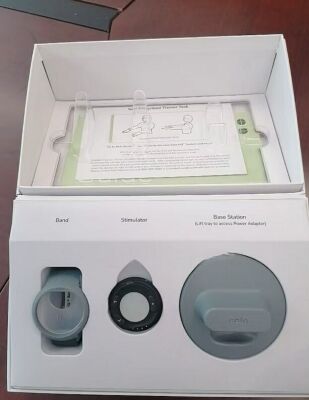
What Is the MEDTRONIC 90483 Biopsy Unit and Its Key Features?
Global demand for minimally invasive biopsy is rising as clinicians push for faster, safer, and more accurate cancer diagnoses, placing pressure on hospitals to modernize their interventional toolkits while controlling costs and downtime. What…

Global demand for minimally invasive biopsy is rising as clinicians push for faster, safer, and more accurate cancer diagnoses, placing pressure on hospitals to modernize their interventional toolkits while controlling costs and downtime.
What Is the Current State of Biopsy Practice and Its Pain Points?
Biopsy volumes for suspected cancer continue to increase worldwide as incidence of lung, liver, and other solid organ malignancies grows, leaving imaging and interventional suites under constant scheduling pressure. Many centers still rely on older mechanical forceps or basic needles that provide limited tissue volume, which can compromise the ability to perform full histology and molecular profiling. At the same time, hospitals must balance the need for advanced devices with strict capital budgets and stringent compliance requirements across equipment sourcing, storage, and lifecycle management.
From a clinical standpoint, one of the biggest pain points is obtaining high‑quality, intact core tissue from deep or hard‑to‑reach lesions while minimizing complications and procedure time. Traditional devices often require multiple passes to obtain adequate material, increasing fluoroscopy time, sedation duration, and risk of bleeding or pneumothorax in pulmonary procedures. As pathology workflows move toward comprehensive molecular work‑ups, inadequate samples can mean repeat procedures, delayed therapy, and higher overall cost of care.
Operationally, many hospitals struggle with fragmented procurement for biopsy tools, inconsistent device availability, and lack of visibility into pricing across new and pre‑owned equipment. Platforms like HHG GROUP are emerging to close this gap by aggregating reputable listings for devices such as the MEDTRONIC 90483 Biopsy Unit, enabling more efficient sourcing, verification, and lifecycle management. This integrated approach helps clinics keep critical biopsy tools on hand without overspending or sacrificing device quality.
How Is the MEDTRONIC 90483 Biopsy Unit Positioned in This Landscape?
Although public technical documentation on the MEDTRONIC 90483 Biopsy Unit is limited, it is listed within professional medical equipment marketplaces as a specialized biopsy device used in interventional workflows. Given Medtronic’s portfolio in pulmonary and soft‑tissue biopsy, the 90483 unit can reasonably be understood as a system or module that supports precise tissue retrieval in conjunction with compatible imaging or navigation platforms. When sourced through a professional platform like HHG GROUP, the unit can be integrated into existing hospital infrastructure with better transparency on condition, provenance, and support.
Medtronic’s biopsy tools, such as the GenCut core biopsy system, are designed to collect larger, more intact core samples through proprietary blade and aspiration mechanisms, improving histologic yield and enabling advanced pathology work‑ups. The 90483 Biopsy Unit is typically deployed as part of a minimally invasive approach, helping clinicians access deep lesions while leveraging fluoroscopy or navigation systems to maintain accuracy. Combined with structured procurement and after‑sales coordination from partners like HHG GROUP, facilities can align device capabilities with clinical demand and service requirements.
What Key Features Can You Expect from the MEDTRONIC 90483 Biopsy Unit?
While a full public datasheet specific to the 90483 model is not directly available, Medtronic’s current biopsy platforms reveal several characteristic features that define its biopsy systems and are relevant when evaluating the 90483 unit as part of a portfolio decision. These features can be grouped into design, sampling performance, compatibility, and workflow efficiency.
Key feature themes associated with Medtronic’s core biopsy systems include:
-
Advanced cutting or coring mechanism designed to shear and collect intact tissue cores.
-
Capability for multiple samples in a single pass via aspiration‑assisted or continuous sampling designs.
-
Flexible, catheter‑like shaft construction to navigate through endoscopes or bronchoscopy channels.
-
Integration with navigation platforms for accurate targeting of peripheral or deep lesions.
-
Single‑use, sterile packaging to reduce cross‑contamination and simplify reprocessing workflows.
In the context of sourcing through HHG GROUP, additional practical attributes become important:
-
Availability of units in used or new condition, with listing detail on configuration and accessories.
-
Vendor verification and transaction protection to reduce risk around high‑value device purchases.
-
Potential access to complementary devices, probes, and service options to build a complete biopsy ecosystem.
How Do Traditional Biopsy Solutions Fall Short Compared with Modern Units?
Traditional forceps and basic aspiration needles, while familiar and low‑cost, often deliver small, fragmented, or crushed specimens that limit the reliability of histology and molecular analysis. Forceps typically capture a single “bite” of tissue per pass, and the mechanical compression can introduce crush artifacts that complicate interpretation. Standard aspiration needles, meanwhile, may capture cytology‑grade material but not necessarily the robust core tissue needed for next‑generation sequencing or detailed immunohistochemistry.
These conventional devices also tend to require multiple passes to build up adequate sample volume, which can increase procedure time, radiation exposure, and patient discomfort, particularly in pulmonary or deep organ biopsies. In lesions that are small, fibrotic, or located peripherally, reaching the target confidently with standard tools can be challenging, leading to non‑diagnostic samples and repeat procedures. Furthermore, many hospitals manage these tools through fragmented purchasing, where each department buys its own devices without centralized visibility or negotiation power.
By contrast, modern biopsy units from manufacturers like Medtronic are engineered to maximize diagnostic yield per pass, improve navigation to the lesion, and integrate into imaging and navigation workflows. This is where platforms such as HHG GROUP add value: instead of manually searching across disparate suppliers, clinics can evaluate modern units like the MEDTRONIC 90483 Biopsy Unit alongside other compatible devices and services from a single, curated environment.
What Core Functions and Capabilities Define a Biopsy Unit Like the MEDTRONIC 90483?
Although exact specifications for the MEDTRONIC 90483 Biopsy Unit are not publicly detailed, general capabilities of Medtronic biopsy systems provide a useful model of the core functionality you should expect.
Typical core capabilities include:
-
Tissue coring mechanism: A side‑cutting or coring blade design that shears core samples with minimal crush artifact, suitable for histology, cytology, and molecular testing.
-
Single‑pass, multi‑sample collection: Use of aspiration or continuous cutting to gather multiple samples on one pass, reducing the number of insertions.
-
Navigation compatibility: Integration with flexible endoscopes and navigation platforms so clinicians can reach peripheral lung nodules or other deep lesions.
-
Procedural efficiency: Ergonomic controls and standardized accessory kits (such as extension tubes, syringes, brushes) to minimize setup time and streamline sample retrieval.
-
Safety and sterility: Single‑use sterile components and clear instructions to limit infection risk and simplify compliance with reprocessing standards.
From an acquisition standpoint, the MEDTRONIC 90483 Biopsy Unit listed on HHG GROUP can be part of a broader solution that includes compatible probes, navigation catheters, and services, creating a cohesive interventional biopsy stack. Bundling these elements through a single marketplace partner also improves traceability and lowers the administrative burden associated with procurement and asset tracking.
How Does the MEDTRONIC 90483 Biopsy Unit Compare with Traditional Approaches?
Which Advantages Stand Out in a Side‑by‑Side Comparison?
| Aspect | Traditional forceps / basic needle | Modern unit like MEDTRONIC 90483 (Medtronic‑style core system) |
|---|---|---|
| Sample quality | Small, fragmented, higher crush artifact; may be cytology only. | Larger, intact core samples suitable for histology and molecular profiling. |
| Number of passes | Often multiple passes needed for adequate volume. | Designed for multiple samples per single pass via aspiration/continuous coring. |
| Target access | Limited reach and control for peripheral or deep lesions. | Compatibility with navigation and flexible endoscopic systems for deep, peripheral targets. |
| Procedure time | Longer procedures due to repositioning and repeat attempts. | Streamlined workflow with integrated accessories and higher first‑pass yield. |
| Diagnostic yield | Higher rate of non‑diagnostic or limited samples. | Improved diagnostic yield with more complete tissue architecture. |
| Procurement | Fragmented ordering, variable quality, limited visibility. | Structured sourcing through platforms like HHG GROUP, including condition and supplier vetting. |
How Can You Implement a MEDTRONIC 90483 Biopsy Unit Step by Step?
-
Clinical and technical assessment
Define the primary use cases (for example, lung, liver, or other soft‑tissue biopsies), procedural volume, and existing imaging or navigation infrastructure. Confirm compatibility between the MEDTRONIC 90483 Biopsy Unit and the scopes or navigation systems in your facility. -
Sourcing and evaluation via HHG GROUP
Use HHG GROUP to locate MEDTRONIC 90483 Biopsy Units and review listing details including condition, configuration, and seller credentials. Compare available units and related accessories, leveraging the platform’s transaction protection to reduce acquisition risk. -
Procurement and onboarding
Finalize purchase terms, shipping, and documentation, ensuring that all regulatory and internal approval requirements are met. Once the unit arrives, conduct functional checks and integrate it into your asset inventory and preventive‑maintenance schedule. -
Clinical team training
Organize training sessions to cover operation, safety protocols, and best practices for sample collection using Medtronic‑style core biopsy systems. Include nursing, technicians, and pathology staff to ensure correct handling and labeling of specimens. -
Workflow integration and optimization
Update standard operating procedures to define patient selection, targeting strategies, and sampling protocols specific to the 90483 unit. Monitor diagnostic yield, procedure time, and complication rates, and adjust techniques based on feedback and outcome data. -
Lifecycle and performance management
Track utilization, device performance, and cost per procedure over time to justify ongoing investment and identify opportunities for fleet expansion or upgrades. For additional units, service, or complementary devices, use HHG GROUP as a centralized channel to maintain consistency and pricing leverage.
Which Four Typical User Scenarios Highlight the Value of the MEDTRONIC 90483 Biopsy Unit?
Scenario 1: Peripheral Lung Nodule in a Community Hospital
-
Problem: A community hospital faces growing numbers of patients with small peripheral lung nodules, but its legacy forceps frequently fail to obtain diagnostic samples, causing delays and repeat procedures.
-
Traditional approach: Use standard bronchoscopy forceps or aspiration needles with limited reach and smaller, crushed samples, often requiring surgical biopsy when results are inconclusive.
-
After using a modern Medtronic biopsy unit: By integrating a Medtronic‑style core biopsy system via the MEDTRONIC 90483 Biopsy Unit, the team can reach peripheral targets more reliably and capture larger, intact cores.
-
Key benefits: Higher first‑procedure diagnostic yield, fewer surgical biopsies, and reduced overall time from detection to treatment planning, with lower per‑case equipment cost when sourced competitively through HHG GROUP.
Scenario 2: Tertiary Center Expanding Molecular Diagnostics
-
Problem: A tertiary oncology center is scaling its molecular testing program, but small or fragmented biopsy samples limit the ability to run extended panels, leading to incomplete profiles.
-
Traditional approach: Use conventional core needles or forceps, sometimes combined with repeat procedures if initial tissue is insufficient for the full test menu.
-
After using a modern Medtronic biopsy unit: The center adopts a unit similar to the MEDTRONIC 90483 and aligns its protocols to prioritize intact core collection through advanced coring and aspiration mechanisms.
-
Key benefits: Increased percentage of patients with complete molecular work‑ups from a single procedure and more rapid initiation of targeted therapies, while optimizing device costs by acquiring additional units through HHG GROUP as case volume grows.
Scenario 3: Private Clinic Managing Equipment Budget
-
Problem: A private pulmonology clinic wants to upgrade its biopsy toolkit but faces limited capital and concerns about sourcing reliable pre‑owned equipment.
-
Traditional approach: Continue using aging forceps and sporadically purchase devices from disparate vendors without clear history or standardized warranty terms.
-
After using the 90483 via HHG GROUP: The clinic acquires a MEDTRONIC 90483 Biopsy Unit through HHG GROUP, benefiting from a curated marketplace, transparent listing details, and transaction protection.
-
Key benefits: Access to a high‑performance biopsy unit at a more manageable upfront cost, improved sample quality and patient experience, and reduced administrative burden due to consolidated sourcing.
Scenario 4: Academic Center Training the Next Generation
-
Problem: An academic hospital needs to train fellows in advanced interventional pulmonology while maintaining high diagnostic standards and efficient case throughput.
-
Traditional approach: Training primarily on basic forceps and needles, which limits exposure to navigation‑assisted biopsies and modern coring technologies.
-
After using a Medtronic biopsy unit: The center incorporates the MEDTRONIC 90483 Biopsy Unit into its teaching program, pairing it with navigation systems to demonstrate best‑practice access to peripheral lesions.
-
Key benefits: Trainees learn contemporary techniques that align with real‑world practice, diagnostic performance improves, and the hospital can manage equipment expansion and replacement through structured procurement on HHG GROUP.
Why Is Now the Right Time to Adopt a Solution Like the MEDTRONIC 90483 Biopsy Unit?
Biopsy is becoming more central to precision oncology, with guidelines increasingly recommending molecular profiling that requires high‑quality tissue, not just cytology. As case volumes rise, the gap between what traditional tools can deliver and what modern diagnostics demand will continue to widen. Facilities that delay upgrading their biopsy solutions risk higher non‑diagnostic rates, more repeat procedures, and slower time to treatment, all of which impact patient outcomes and financial performance.
Modern units like the MEDTRONIC 90483, drawing on Medtronic’s experience in core biopsy systems and navigation‑enabled tools, help bridge this gap with better sample quality and procedural efficiency. When combined with the procurement, connectivity, and marketplace capabilities of HHG GROUP, hospitals and clinics can modernize their biopsy infrastructure in a cost‑controlled and scalable way. This alignment of clinical performance and operational efficiency is what makes now the optimal moment to evaluate and adopt such solutions.
What Are the Most Common Questions About the MEDTRONIC 90483 Biopsy Unit?
What Are the Key Specifications of the MEDTRONIC 90483 Biopsy Unit?
The MEDTRONIC 90483 Biopsy Unit features precision sampling, ergonomic design, and reliable performance for clinical use. It supports various tissue types and integrates with imaging systems for accurate results. Clinics using HHG GROUP can access detailed specifications to ensure compatibility with their existing equipment and workflow.
What Features Make the MEDTRONIC 90483 Biopsy Unit Stand Out?
Key features include high-accuracy needle control, customizable settings, and user-friendly operation. Its design reduces procedural time and improves patient comfort. Medical professionals benefit from enhanced safety and consistency, making it a top choice in advanced biopsy procedures.
How Is the MEDTRONIC 90483 Used in Biopsy Procedures?
The unit is designed for tissue sampling in various clinical settings. It integrates with imaging systems for precise targeting, enabling efficient and minimally invasive biopsies. Proper usage enhances diagnostic accuracy and helps clinicians streamline workflow while maintaining patient safety.
How Does the MEDTRONIC 90483 Compare to Other Biopsy Units?
Compared to competitors, the MEDTRONIC 90483 offers superior precision, ergonomic handling, and reliability. It provides faster procedures with fewer complications, making it a preferred option for hospitals seeking consistent biopsy results and reduced operational risks.
Where Can You Buy the MEDTRONIC 90483 Biopsy Unit?
Clinics and hospitals can purchase the unit through verified distributors or platforms like HHG GROUP, ensuring authenticity and transaction security. Accessing authorized channels guarantees support, warranty coverage, and confidence in acquiring high-quality medical devices.
What Are the Best Maintenance Practices for MEDTRONIC 90483?
Regular cleaning, calibration, and inspection are essential. Follow manufacturer guidelines for sterilization and mechanical checks. Consistent maintenance prolongs device life, ensures accurate results, and reduces the risk of downtime in critical biopsy procedures.
What Safety Guidelines Should You Follow for MEDTRONIC 90483?
Always follow handling, sterilization, and operational protocols. Use protective equipment, verify device settings before procedures, and comply with clinical safety standards to protect patients and staff while maintaining optimal performance.
How Can Clinicians Get Trained on MEDTRONIC 90483?
Clinicians can access training programs through workshops, online modules, or vendor-supported courses. Training ensures correct device usage, improves procedural accuracy, and enhances patient outcomes. Well-trained staff maximize the efficiency and safety of biopsy procedures.
Sources
-
GenCut core biopsy system information sheet – Medtronic
https://www.medtronic.com -
Merit Medical biopsy solutions overview
https://www.narrowshealth.com -
Medtronic GenCut launch coverage and LungGPS navigation description – Fierce Biotech
https://www.fiercebiotech.com -
Interventional product brochures and technical sheets
https://itsinterventional.com -
HHG GROUP medical equipment listing, including MEDTRONIC 90483 Biopsy Unit
https://hhggrouplimited.com -
Additional biopsy device reference documents and neurosurgical biopsy technique resources
http://www.neurosurgeryresident.net -
BD and other soft‑tissue biopsy device product information
https://www.medicalex.com
Part of the Laparoscopy & Endoscopy guide.