
Non-Invasive Neurological Treatments and Their Benefits for Brain Health
Non-invasive neurological treatments are transforming how clinicians manage brain and nerve disorders by offering effective therapies without surgery, incisions, or implanted hardware. These neuromodulation and brain-stimulation approaches aim to relieve symptoms, enhance function, and…
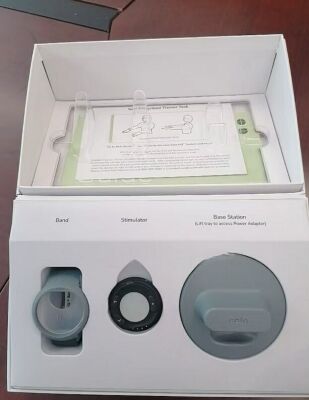
Non-invasive neurological treatments are transforming how clinicians manage brain and nerve disorders by offering effective therapies without surgery, incisions, or implanted hardware. These neuromodulation and brain-stimulation approaches aim to relieve symptoms, enhance function, and improve quality of life while minimizing recovery time and risk.
What Are Non-Invasive Neurological Treatments?
Non-invasive neurological treatments are therapies that act on the brain or nervous system from outside the body without surgical penetration or implanted devices. They typically use energy-based methods such as magnetic fields, electrical currents, light, or ultrasound to modulate neuronal activity and brain networks.
Common non-invasive neurological treatment modalities include transcranial magnetic stimulation, transcranial direct current stimulation, transcranial alternating current stimulation, transcranial random noise stimulation, transcranial focused ultrasound, low-level laser and photobiomodulation, and non-invasive brain and nerve monitoring. These treatments can be used alone or as adjuncts to medications, psychotherapy, and rehabilitation programs across neurology, psychiatry, and pain medicine.
Core Types of Non-Invasive Neurological Treatments
Transcranial Magnetic Stimulation (TMS)
Transcranial magnetic stimulation uses rapidly changing magnetic fields generated by a coil placed on the scalp to induce small electrical currents in targeted brain regions. It modulates cortical excitability and connectivity, and repeated sessions can produce lasting changes in brain circuits involved in mood, pain, and cognition.
TMS is widely used for treatment-resistant major depressive disorder and has regulatory clearance in many regions for depression, obsessive–compulsive disorder, and migraine with aura. It is also being explored for post-stroke motor recovery, chronic pain, tinnitus, post-traumatic stress, and cognitive symptoms in conditions such as Parkinson’s disease and Alzheimer’s disease. Modern accelerated TMS protocols can deliver multiple sessions per day, potentially achieving faster symptom relief.
Transcranial Direct and Alternating Current Stimulation (tDCS, tACS)
Transcranial direct current stimulation delivers a weak continuous direct current through electrodes on the scalp to subtly shift the resting membrane potential of neurons. It does not trigger action potentials directly but makes neurons more or less likely to fire, thereby shaping plasticity in targeted networks over repeated sessions.
Transcranial alternating current stimulation uses oscillating currents at specific frequencies to interact with brain rhythms, aiming to entrain or modulate oscillatory activity associated with cognition, sleep, and sensory processing. Both tDCS and tACS are being evaluated for depression, anxiety, stroke rehabilitation, chronic pain, fatigue, and optimization of learning and motor training.
Transcranial Random Noise Stimulation (tRNS) and Other Electrical Approaches
Transcranial random noise stimulation applies randomly varying electrical currents that may enhance cortical responsiveness and plasticity. It is studied for learning enhancement, sensory perception, and cognitive performance in both clinical and healthy populations. Broader transcranial electrical stimulation frameworks include customized waveforms for individualized neuromodulation tailored to specific symptoms and neurophysiological markers.
Transcranial Focused Ultrasound and Ultrasound Neuromodulation
Transcranial focused ultrasound uses low-intensity ultrasound waves focused through the skull to modulate activity in both superficial and deep brain structures with high spatial precision. Depending on parameters, ultrasound can either excite or inhibit neuronal activity and influence blood flow and connectivity.
Low-intensity focused ultrasound and transcranial pulse stimulation are being investigated for essential tremor, Parkinson’s disease symptoms, neuropathic pain, epilepsy, post-stroke recovery, and even visual cortex stimulation for blindness research. High-intensity focused ultrasound is also used in more ablative, but still incisionless, procedures for tremor and movement disorders.
Photobiomodulation and Low-Level Laser Therapy
Photobiomodulation uses red and near-infrared light delivered through the scalp to influence mitochondrial function, cerebral blood flow, and inflammatory pathways in neural tissue. It has potential applications in traumatic brain injury, neurodegenerative conditions, depression, and cognitive performance, though large-scale trials are ongoing.
Helmet-style and handheld photobiomodulation devices are designed for home or clinic use, aiming to provide convenient sessions for chronic neurological and neuropsychiatric conditions.
Non-Invasive Brain and Nerve Monitoring
Non-invasive neurological treatments go hand in hand with non-invasive monitoring of brain function. Modalities such as electroencephalography, near-infrared spectroscopy, and transcranial Doppler ultrasound enable continuous or bedside monitoring of brain activity, blood flow, and intracranial dynamics without surgery.
In critical care and emergency settings, non-invasive brain trauma monitoring devices are used to assess intracranial pressure risk, cerebral perfusion, and early signs of secondary injury. These technologies guide therapy, support tele-neurology, and reduce reliance on invasive monitoring procedures.
Clinical Conditions Treated With Non-Invasive Neurological Therapies
Non-invasive neurological treatments are being used or studied across a wide spectrum of disorders affecting the brain and nervous system. Their versatility is one of the key reasons demand is rising among neurologists, psychiatrists, and rehabilitation teams.
Key indications and use cases include:
-
Major depressive disorder and treatment-resistant depression
-
Anxiety disorders, obsessive–compulsive disorder, and post-traumatic stress
-
Migraine and chronic headache syndromes
-
Chronic neuropathic pain and fibromyalgia
-
Stroke rehabilitation, motor recovery, and spasticity management
-
Parkinson’s disease and movement disorders
-
Epilepsy and seizure modulation
-
Tinnitus and central pain sensitization
-
Traumatic brain injury and post-concussion symptoms
-
Cognitive impairment in dementia and neurodegenerative disease
-
Brain fog, fatigue, and cognitive slowing after infections or systemic illness
-
Performance optimization in sports, e-sports, and complex cognitive tasks
For many of these conditions, non-invasive neuromodulation is positioned as an adjunct to standard care, enhancing the effects of medication, psychotherapy, or physical and occupational therapy rather than replacing them outright.
Key Benefits of Non-Invasive Neurological Treatments
Non-invasive neurological treatments offer a combination of clinical benefits and practical advantages that make them appealing for patients, providers, and health systems.
Major benefits include:
-
No incisions or implants, reducing infection risk and eliminating surgical recovery time
-
Outpatient or clinic-based delivery, often without general anesthesia
-
Reversibility and adjustability, with protocols that can be fine-tuned or discontinued
-
Good tolerability, with most side effects being mild and transient, such as scalp discomfort or headache
-
Compatibility with other therapies, including medications and psychotherapy
-
Potential for personalized treatment targeting specific brain networks identified on imaging or electrophysiology
-
Possibility of home-based or remote-supervised treatment using portable devices for certain modalities
From a patient perspective, the ability to access effective non-invasive treatment for difficult-to-manage conditions such as resistant depression, chronic pain, or post-stroke disability can be life-changing and may reduce hospitalizations, emergency visits, and disability-related costs.
How Non-Invasive Neuromodulation Works in the Brain
Although each modality has its own biophysical mechanism, non-invasive neuromodulation treatments share several common principles in how they influence the nervous system.
First, they modulate excitability in specific brain regions, making neurons more or less likely to fire in response to synaptic input. Over multiple sessions, this can shift the balance of activity within and between networks involved in mood, movement, pain, and cognition.
Second, repeated stimulation drives synaptic plasticity, enhancing long-term potentiation or long-term depression in targeted circuits. This rewiring contributes to lasting symptom improvement even after treatment ends, similar to how learning and memory are consolidated.
Third, these treatments can alter oscillatory activity and network synchrony, reshaping the rhythms by which brain regions communicate. Adjusting abnormal oscillations is particularly relevant in depression, schizophrenia, epilepsy, and Parkinson’s disease.
Finally, some modalities influence non-neuronal cells, vascular function, and inflammatory pathways, contributing to neuroprotection and improved cerebral perfusion. This multimodal impact makes non-invasive neuromodulation a promising tool for recovery after injury and in progressive neurodegenerative disorders.
Market Trends and Global Demand for Non-Invasive Neurology
The market for non-invasive neurological treatments and devices has expanded rapidly as clinical evidence, patient demand, and technological innovation converge. Global neurology device revenue, including non-invasive and invasive systems, is growing steadily with forecasts showing strong compound annual growth through the next decade.
Non-invasive brain trauma monitoring devices represent a particularly fast-growing segment, with market valuations in the mid-teens billions of dollars and projected to more than double over the next decade as trauma care, sports medicine, and military medicine prioritize safer brain monitoring solutions. Rising incidence of neurological conditions, an aging population, and the shift toward minimally invasive and outpatient procedures are major drivers.
Reimbursement frameworks are gradually adapting to support evidence-based non-invasive neuromodulation treatments, especially in mood disorders and chronic pain. At the same time, the integration of artificial intelligence and machine learning into neurology diagnostics and neuromodulation planning is accelerating adoption by improving precision and workflow efficiency.
Regulatory approvals for TMS in depression, OCD, and migraine, along with developing pathways for ultrasound neuromodulation and novel electrical stimulation devices, are reinforcing clinician confidence and encouraging investment from medical device companies and healthcare systems.
Founded in 2010, HHG GROUP LTD is a comprehensive platform dedicated to supporting the global medical industry by connecting clinics, suppliers, and service providers for safe trading of new and used medical equipment. Through transparent processes and robust transaction protection, it helps neurological practices and hospitals access the neuromodulation, imaging, and monitoring technologies they need to expand non-invasive treatment programs.
Top Non-Invasive Neurological Products and Services
The ecosystem of non-invasive neurological treatments includes devices, software platforms, and service models. Below is a simplified view of key product and service categories, their advantages, typical ratings in clinical practice, and common use scenarios.
| Name | Key Advantages | Ratings | Use Cases |
|---|---|---|---|
| Clinic-based TMS systems | High evidence for depression, protocol flexibility, targeting with neuronavigation | High patient and clinician satisfaction for treatment-resistant depression | Major depressive disorder, OCD, migraine, post-stroke recovery |
| Portable tDCS and tACS devices | Low cost, home-based potential, customizable waveforms | Moderate ratings, improving with better guidance and personalization | Depression adjunct, chronic pain, cognitive training, rehabilitation support |
| Transcranial focused ultrasound platforms | Deep brain targeting, millimeter precision, incisionless procedure | High ratings in specialized centers, growing evidence base | Tremor, movement disorders, experimental cognitive and epilepsy indications |
| Photobiomodulation helmets and headsets | Non-contact, comfortable sessions, potential neuroprotective effects | Mixed to positive ratings depending on protocol and condition | Mild cognitive impairment, TBI symptoms, mood and energy disorders |
| Non-invasive brain trauma monitoring systems | Continuous monitoring, safer than invasive ICP monitoring, telemedicine integration | Strong ratings in ICUs and trauma centers | Traumatic brain injury, stroke, neurocritical care, transport monitoring |
| Neurophysiology-guided neuromodulation software | Advanced targeting, AI-based protocol optimization, workflow integration | High ratings among specialized neuromodulation teams | Personalized TMS and TES planning, research and clinical trials |
| Tele-neuromodulation and remote supervision services | Increases access, supports adherence, scalable for large populations | Positive ratings for convenience and access | Rural patients, home-based rehabilitation and mood disorder management |
These categories are often combined in comprehensive non-invasive neurology programs that integrate in-clinic treatments, remote monitoring, digital health platforms, and multidisciplinary support.
Competitor Comparison Matrix: Non-Invasive vs Invasive Neurological Options
For many patients, the key decision is not between different non-invasive treatments, but between non-invasive and invasive options such as deep brain stimulation, spinal cord stimulation, or ablative neurosurgery. The following matrix outlines some of the core differences.
| Aspect | Non-Invasive Neuromodulation | Invasive Neuromodulation and Surgery |
|---|---|---|
| Need for surgery | No surgery, external device only | Requires implantation or lesioning |
| Reversibility | Fully reversible, therapy can be stopped immediately | Some interventions partially reversible, others permanent |
| Risk profile | Lower risk of infection, bleeding, and anesthesia complications | Higher procedural risk, though still acceptable in experienced centers |
| Onset of effect | Often gradual over multiple sessions | Can be rapid, especially with lesioning or optimized DBS settings |
| Maintenance | Periodic booster sessions or ongoing courses | Battery replacements, hardware checks, programming visits |
| Target precision | Improving with neuronavigation and focused ultrasound, excellent for cortical and many deep targets | High precision for deep nuclei with imaging and intraoperative mapping |
| Cost structure | Device and session-based costs, often lower entry cost | Higher upfront cost but long-term benefit for appropriate candidates |
| Ideal candidates | Patients preferring non-surgical options, those who failed medications but do not yet meet criteria or wish to delay surgery | Patients with severe, medication-refractory symptoms where benefit-risk favors surgery |
Understanding these differences helps clinicians and patients choose the right stepwise approach, often starting with non-invasive treatments and progressing to invasive therapies only if necessary.
Real-World Patient Cases and Measurable Benefits
Real user cases from clinics and published studies illustrate the practical impact of non-invasive neurological treatments and highlight the return on investment for health systems and employers.
In treatment-resistant depression, many clinics report remission or major response rates that substantially exceed those seen with additional medication switches when TMS is added. For patients who have tried multiple antidepressants without relief, non-invasive TMS can lead to meaningful symptom reductions and sustained recovery, enabling return to work and improved social functioning.
Stroke rehabilitation programs integrating non-invasive brain stimulation with intensive physical and occupational therapy regularly show larger gains in motor scores, walking speed, and activities of daily living compared with rehabilitation alone. In these programs, the extra cost of neuromodulation sessions is often offset by reduced long-term care needs and higher rates of independent living.
In chronic pain and migraine, non-invasive neuromodulation can reduce monthly headache days, pain intensity scores, and reliance on opioids or other high-risk medications. For employers and insurers, these improvements translate into fewer missed workdays, lower disability claims, and decreased emergency visits.
Critical care teams using non-invasive brain monitoring report earlier detection of deterioration in traumatic brain injury and subarachnoid hemorrhage patients, allowing faster intervention and reducing the need for invasive monitoring in selected cases. Over time, this can lower intensive care complications and improve neurological outcomes.
Core Technology and Innovation in Non-Invasive Neurology
Behind each non-invasive neurological treatment is a sophisticated technology stack combining hardware, software, imaging, and analytics.
TMS systems now incorporate advanced coil geometries, cooled coils for high-frequency protocols, integrated neuronavigation using MRI data, and real-time feedback on coil position and intensity. Some platforms use resting-state connectivity maps to identify individualized targets for depression or obsessive–compulsive disorder rather than relying solely on anatomical landmarks.
Transcranial electrical stimulation technologies are evolving toward high-definition configurations with multiple small electrodes, allowing current steering and more focal stimulation. Computational modeling personalized to a patient’s anatomy helps predict current flow and optimize electrode placement and intensity.
Focused ultrasound neuromodulation is advancing with better skull modeling, motion compensation, and beamforming techniques. Microbubble-enhanced targeting and neuro-navigation platforms improve safety and precision, and hybrid systems that combine ultrasound with MRI or other imaging modalities allow real-time visualization of treatment.
Artificial intelligence and machine learning are increasingly used to analyze electroencephalography, imaging, and clinical outcomes to refine stimulation parameters, predict responders, and automate aspects of treatment planning. Over time, these tools may support adaptive neuromodulation, where stimulation patterns adjust in response to real-time biomarkers of brain state.
Safety, Side Effects, and Patient Selection
Safety is central to the appeal of non-invasive neurological treatments, but each modality has its own considerations and contraindications. Careful screening, evidence-based protocols, and qualified supervision are essential.
For TMS, common side effects include transient headache, scalp discomfort, and facial muscle twitching during stimulation. The risk of seizure is low when guidelines are followed but remains a serious consideration, especially in patients with epilepsy or other predisposing factors. Metal implants in or near the head, such as certain clips or cochlear implants, can be contraindications.
Transcranial electrical stimulation is generally well tolerated, with mild skin irritation, tingling, or itching under electrodes being most common. Appropriate electrode preparation and dosing help minimize these effects, and protocols avoid use in individuals with unstable cardiac or neurological conditions unless supervised in specialized settings.
Focused ultrasound neuromodulation requires careful parameter selection to avoid tissue heating or cavitation-related damage. When operated within established safety limits, human studies have reported favorable safety profiles, but continued long-term surveillance and standardized reporting are important.
Photobiomodulation is associated with minimal side effects when wavelengths and intensities remain within therapeutic windows, though protocols avoid direct exposure to unprotected eyes and consider potential interactions with photosensitizing medications.
Patient selection focuses on diagnosis verification, assessment of previous treatment history, evaluation of comorbidities and concurrent medications, and alignment of patient expectations with realistic outcomes. In many clinics, multidisciplinary teams including neurologists, psychiatrists, psychologists, and rehabilitation specialists collaborate to design personalized treatment plans.
Implementation Models for Clinics and Hospitals
Healthcare organizations planning to expand non-invasive neurological services can choose from several implementation models, each with operational and financial implications.
Hospital-based neuromodulation centers typically offer TMS, non-invasive monitoring, and sometimes focused ultrasound within neurology, psychiatry, and neurorehabilitation departments. These centers benefit from access to imaging, anesthesiology, and multidisciplinary consults, supporting more complex cases and research collaborations.
Outpatient neuromodulation clinics focus on mood and anxiety disorders, chronic pain, and headache, offering TMS and selected electrical stimulation options with efficient, high-throughput workflows. They prioritize patient experience, scheduling flexibility, and integration with psychotherapy and medication management.
Tele-neurology networks and digital therapeutics companies are developing remote-supervised home treatment models using portable tDCS or photobiomodulation devices. These approaches can dramatically expand access in rural or underserved regions, but require robust safety protocols, remote monitoring, and clear documentation.
Academic and research institutions operate non-invasive neuromodulation laboratories that explore new indications, optimize protocols, and run clinical trials. Their work drives the next generation of commercial devices and expands evidence for broader reimbursement and clinical guidelines.
Equipment acquisition strategies range from direct purchase and leasing to pay-per-use models and partnerships with device manufacturers. Organizations must consider training requirements, certification, maintenance, and integration with electronic health records and billing systems.
Future Trends in Non-Invasive Neurological Treatments
The next decade is poised to bring major advances in non-invasive neurology, driven by technology, data science, and precision medicine.
Deep, individualized neuromodulation will become increasingly feasible as focused ultrasound, high-definition electrical stimulation, and advanced targeting algorithms converge. Personalized treatment signatures based on imaging, genetics, and electrophysiology will guide protocol selection and stimulation parameters.
Closed-loop systems, which adjust stimulation in response to real-time brain activity or physiological signals, will migrate from invasive devices into non-invasive platforms. For example, EEG-guided TMS or TES protocols may respond to changes in oscillatory patterns or connectivity, improving efficacy and reducing side effects.
Integration with digital biomarkers from wearables, smartphones, and behavioral apps will allow continuous monitoring of symptoms such as mood, sleep, cognition, and motor function. Non-invasive neuromodulation may be triggered or adjusted in response to early warning signs, aiming to prevent relapses in depression, migraine, or epilepsy.
In neurocritical care and emergency medicine, non-invasive brain monitoring combined with artificial intelligence will support rapid triage and risk stratification. Portable devices may bring sophisticated neurological assessment to ambulances, remote clinics, and telemedicine hubs.
Health systems and policymakers are likely to broaden coverage for evidence-backed non-invasive neurological treatments as data accumulates on long-term outcomes, quality-adjusted life years, and cost savings related to reduced hospitalization, disability, and medication burden.
Frequently Asked Questions About Non-Invasive Neurological Treatments
Are non-invasive neurological treatments as effective as surgery or implanted devices?
Effectiveness depends on the condition, disease severity, and individual patient factors. For some indications, non-invasive neuromodulation can provide substantial symptom improvement and may delay or reduce the need for surgery, while in others, invasive approaches remain the gold standard after non-invasive options have been tried.
How long do benefits from treatments like TMS or tDCS last?
Many patients experience benefits that persist for weeks to months after a course of TMS or other neuromodulation, especially when combined with ongoing psychotherapy, medication, or rehabilitation. Maintenance sessions or booster courses can help sustain gains over longer periods.
Do these treatments hurt or require anesthesia?
Most non-invasive neuromodulation sessions are performed while patients are awake without anesthesia. TMS can produce tapping sensations or brief discomfort on the scalp, and electrical stimulation may cause tingling, but treatments are generally well tolerated and non-painful for the majority of patients.
Can non-invasive neuromodulation be combined with medication?
Yes, many treatment protocols use neuromodulation alongside antidepressants, antiepileptics, pain medications, and other drugs. Clinicians monitor for interactions and adjust doses as symptoms improve, and in some cases, neuromodulation allows for reduction in medication load.
Who is not a good candidate for non-invasive neurological treatments?
Contraindications vary by modality but may include certain metal implants in or near the head, unstable medical or neurological conditions, active substance use that interferes with treatment, or inability to remain still or attend repeated sessions. Evaluation by a qualified clinician is essential.
Conversion-Focused Guidance for Patients, Providers, and Partners
For individuals living with neurological or mental health conditions that have not responded to standard therapy, exploring non-invasive neurological treatments with a specialist can open new paths to relief. Discuss your diagnosis, previous treatments, and goals with your neurologist or psychiatrist and ask whether neuromodulation, focused ultrasound, or photobiomodulation might be appropriate in your case.
Clinical providers and practice owners looking to expand their service portfolio can consider establishing or partnering with a non-invasive neuromodulation program. Start by reviewing current guidelines and evidence for your core patient populations, then evaluate which technologies, staffing models, and training pathways fit your practice size and strategy.
Medical equipment suppliers, technology developers, and investors can play a crucial role by supporting high-quality devices, robust clinical training, and integrated software solutions that make non-invasive neurology safer, more effective, and more accessible. Aligning innovation with real-world clinical needs and reimbursement frameworks will be key to long-term success.
By understanding what non-invasive neurological treatments are, how they work, and which benefits they offer across conditions, stakeholders throughout the healthcare ecosystem can collaborate to bring safer, more precise, and more personalized brain care to patients worldwide.
Part of the Equipment Types & Classes guide.
Related articles
Secure Medical Equipment Procurement Strategies for Risk-Free Healthcare SupplyHotMedical Device Maintenance Services for Safe, Compliant, High‑Uptime HealthcareHotMedical equipment lifecycle management for safer, smarter healthcareHot Global Healthcare Equipment Exchange: The New Backbone Of Medical Device Access And SustainabilityHot