
Boston Scientific RF3000 Radiofrequency Ablation System: Precision, Technology, and Clinical Impact
The Boston Scientific RF3000 radiofrequency ablation system stands as one of the most recognized platforms for thermal tissue ablation in interventional radiology and oncology. Designed to deliver controlled radiofrequency energy through a proprietary impedance-based…
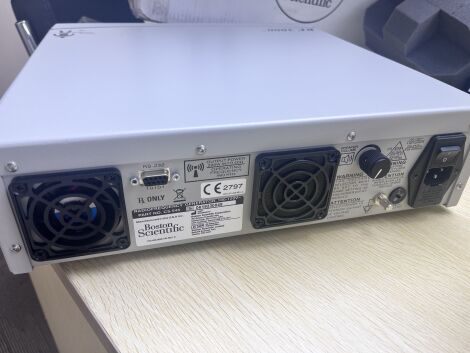
The Boston Scientific RF3000 radiofrequency ablation system stands as one of the most recognized platforms for thermal tissue ablation in interventional radiology and oncology. Designed to deliver controlled radiofrequency energy through a proprietary impedance-based feedback mechanism, the RF3000 generator paired with its LeVeen Needle Electrode family has helped clinicians achieve predictable ablation zones in soft tissue tumors across the liver, kidney, and lung. Understanding how this system works, who it serves, and where the broader radiofrequency ablation market is heading can help healthcare professionals, procurement teams, and medical facility administrators make informed decisions.
How Radiofrequency Ablation Works at the Core
Radiofrequency ablation, commonly abbreviated as RFA, uses high-frequency alternating current — typically between 400,000 and 1,250,000 Hz — delivered through an uninsulated electrode tip to generate frictional heat in target tissue. As the tissue temperature rises above 60 degrees Celsius, cellular proteins denature and coagulative necrosis occurs, effectively destroying the targeted lesion. The RF3000 radiofrequency generator from Boston Scientific applies the principles of Ohm’s Law to monitor tissue impedance throughout the ablation cycle. When the procedure begins, the system reads initial impedance levels of the target tissue, which typically fall between 40 and 80 ohms. As the ablation progresses and tissue desiccation increases, impedance rises sharply, signaling that a complete thermal lesion has formed. This impedance-based endpoint assessment is a defining feature that separates the RF3000 from many competing radiofrequency ablation devices on the market.
RF3000 Generator Specifications and Design Advantages
The RF3000 radiofrequency generator is engineered for both clinical performance and procedural simplicity. With a 200-watt power capacity, the system promotes rapid and efficient ablation of large tissue volumes. Easy-to-read, backlit displays and an audible signal allow clinicians to monitor procedure progress at every stage without interruption. Because the ablation algorithms and generator inputs are manual, clinicians retain full control over energy delivery parameters, which is a significant advantage in complex or atypical tumor presentations.
LeVeen Needle Electrode Family
The LeVeen Needle Electrode is the primary energy delivery component used with the RF3000 generator. Boston Scientific developed the patented umbrella-shaped array to promote stable and accurate deployment within tumor tissue. The self-balancing tine spacing of one centimeter is designed to create a complete and predictable thermal lesion. Key features of the electrode portfolio include a wide matrix of array diameters ranging from two centimeters to five centimeters, providing versatility across tumor sizes. The Soloist Single Needle Electrode handles smaller ablation zones of approximately 1.5 centimeters by 1.0 centimeter, making it ideal for treating small hepatocellular carcinoma nodules or metastatic deposits.
LeVeen SuperSlim and CoAccess Systems
The LeVeen SuperSlim Needle Electrode is specifically engineered to minimize invasiveness during percutaneous procedures. Its reduced profile allows easier tissue penetration and is particularly suitable for patients with limited access windows or challenging anatomy. The CoAccess Needle Electrode System enables a coaxial entry port for one or multiple insertions, including biopsy probe access, which streamlines workflow during image-guided procedures. Depth markings at one-centimeter intervals on the cannula provide accuracy of placement, and the sharp echogenic stylet tip facilitates tissue penetration and visualization under CT or ultrasound guidance.
Radiofrequency Ablation Market Trends and Growth Projections
The global radiofrequency ablation system market has experienced remarkable expansion. According to data published by Future Market Insights, the market was valued at approximately 5.2 billion USD in 2025 and is projected to reach 16.1 billion USD by 2035, growing at a compound annual growth rate of 12.0 percent. The Business Research Company estimated a similar trajectory, projecting growth from 5.25 billion USD in 2025 to 5.91 billion USD in 2026 alone, reflecting a CAGR of 12.5 percent for that period. In the United States, the RF ablation system market was valued at 1.8 billion USD in 2025 and is expected to reach 4.7 billion USD by 2035 at a CAGR of 10.2 percent.
Several factors are propelling this growth. The rising global prevalence of cardiovascular disease, chronic pain conditions, and solid organ tumors continues to push demand for minimally invasive treatment alternatives. The aging global population further amplifies this demand, as elderly patients are more susceptible to conditions treatable by radiofrequency ablation. Hospitals remain the largest end-use category, capturing 32.5 percent of market revenue, supported by the availability of advanced infrastructure and specialized departments.
Clinical Outcomes: Liver, Kidney, and Lung Tumor Ablation
Liver Tumor Ablation with the RF3000
The RF3000 system has been widely studied in the context of hepatic tumor treatment. Research published in PubMed Central demonstrates that radiofrequency ablation of liver metastases is an effective therapeutic option for patients who are not surgical candidates. Complete ablation has been observed in 86.7 percent of all treated lesions in select clinical cohorts. Long-term data from the University of Pittsburgh Liver Cancer Center shows that patients who undergo RFA as part of their hepatocellular carcinoma treatment exhibit 10-year overall survival rates exceeding 23 percent, while those treated for colorectal liver metastases achieve 10-year survival rates above 15 percent. These figures confirm that long-term survival is possible with RFA, particularly when combined with hepatic resection for multifocal tumors.
Kidney Tumor Ablation
For renal cell carcinoma, Boston Scientific clinical data indicates that radiofrequency ablation achieves 100 percent primary technical success in tumors smaller than four centimeters, with complete ablation accomplished at the first RFA session for exophytic and parenchymal tumors. Overall survival rates for patients treated with RFA for kidney tumors smaller than three centimeters have reached 90.1 percent in published clinical registries, making the procedure a strong treatment option for patients who are poor surgical candidates.
Lung Tumor Ablation
Radiofrequency ablation in pulmonary applications has shown promising results. Clinical evidence indicates a primary success rate of 79.5 percent for lung tumor ablation, with local tumor progression occurring in a subset of cases. Among tumors that showed progression, retreatment with RF ablation achieved a secondary success rate of 87.5 percent. For primary lung cancer patients, one-year, two-year, and three-year overall survival rates of 100 percent, 86 percent, and 43 percent respectively have been documented. Tumors smaller than three centimeters demonstrate significantly higher complete necrosis rates, reaching 100 percent compared to 38 percent in tumors larger than three centimeters.
Competitor Comparison: RF Ablation Systems
The radiofrequency ablation device market includes several major manufacturers competing for clinical adoption. Below is a comparison of key systems.
| System | Manufacturer | Key Advantage | Primary Applications |
|---|---|---|---|
| RF3000 Generator with LeVeen Electrodes | Boston Scientific | Impedance-based endpoint detection; umbrella-shaped array for predictable lesions | Liver, kidney, lung soft tissue tumors |
| Affera Mapping and Ablation System with Sphere-9 Catheter | Medtronic | Combined high-density mapping with pulsed field and RF ablation; FDA approved October 2024 | Persistent atrial fibrillation, atrial flutter |
| StarBurst and RITA Systems | AngioDynamics | Multi-tine expandable electrode designs; wide range of tumor sizes | Hepatic and renal tumors |
| NeuWave Certus 140 | Ethicon (Johnson and Johnson) | Microwave ablation with percutaneous and laparoscopic probes | Liver, kidney, lung tumors |
| Visual-ICE Cryoablation System | Boston Scientific | Real-time ice-ball visualization; multiple probe capability | Renal, bone, and soft tissue tumors |
Each platform carries distinct advantages, and the selection depends on clinical use case, procedural workflow preferences, and institutional experience. The RF3000 remains the only RFA system that utilizes impedance feedback to accurately assess the procedural endpoint in real time, which is a critical differentiator in tumor ablation settings.
Radiofrequency Ablation vs Microwave Ablation vs Cryoablation
Clinicians evaluating thermal ablation options frequently compare RFA, microwave ablation, and cryoablation across multiple performance dimensions.
| Parameter | Radiofrequency Ablation | Microwave Ablation | Cryoablation |
|---|---|---|---|
| Energy Source | High-frequency alternating current | Electromagnetic microwaves | Argon gas-based freezing |
| Ablation Zone Visualization | No real-time visualization | No real-time visualization | Real-time ice-ball monitoring |
| Procedural Time | Shorter than cryoablation | Shortest among thermal methods | Longest procedural time |
| Heat Sink Effect | Affected near large vessels | Less affected than RFA | Not applicable |
| Bleeding Risk | Lower bleeding rate | Low complication rates | Higher bleeding risk |
| Tumor Size Suitability | Best for tumors under 3 cm | Effective for larger lesions | Treats tumors over 3 cm |
| Technical Success Rate | 98.5 percent in renal tumors | 100 percent in select studies | 98.5 percent in renal tumors |
Multicenter studies published in PubMed have confirmed that microwave ablation offers shorter operation times and equivalent surgical and functional outcomes compared to RFA and cryoablation for small renal masses. However, RFA maintains advantages in lower bleeding rates and well-established long-term survival data.
Cost Savings and Return on Investment
One of the strongest arguments for radiofrequency ablation adoption is its financial profile. Economic evaluations published by the American Heart Association in 2024 show that radiofrequency catheter ablation leads to annual cost savings between 5,037 and 8,402 USD per patient after the first year of treatment. These savings result from reduced hospitalization costs, lower medication expenses, fewer follow-up visits, and decreased surgical complications.
The minimally invasive nature of RFA means that most procedures are performed on an outpatient basis, allowing patients to return home the same day. This eliminates overnight hospital stays and significantly reduces bed occupancy, staff time, and post-operative care expenses. Studies comparing RFA to open surgery have shown that the mean length of hospital stay for RFA patients is 2.6 days versus 5.3 days for surgical patients, representing a substantial reduction in hospital resource utilization.
The break-even point for RFA system adoption in healthcare facilities is estimated between four and six years, after which the system generates sustained cost savings. For institutions performing high volumes of tumor ablation procedures, the return on investment is realized even faster.
Real User Cases and Quantified Benefits
A hepatology center at a major academic medical institution reported performing over 300 RFA procedures on hepatocellular carcinoma patients using the RF3000 system over a five-year period. Approximately 26.2 percent of HCC patients were successfully downstaged using RFA and subsequently qualified for liver transplantation — a pathway that would not have been available without the ablation bridge. Nearly 40 percent of patients developed new hepatic lesions on surveillance imaging, but fewer than 10 percent experienced extrahepatic tumor recurrence, confirming the localized effectiveness of the RF3000 system.
In interventional radiology practices focused on renal masses, facilities have reported 100 percent first-session technical success rates for tumors under four centimeters, with patients returning to normal activity within 48 hours. The combination of predictable ablation zones, minimal complication rates, and rapid patient recovery has driven strong satisfaction scores among both clinicians and patients.
The Role of AI and Robotics in Future RF Ablation Systems
The next generation of radiofrequency ablation technology is being shaped by artificial intelligence and robotic integration. According to analysis published by Precedence Research, AI-powered diagnostics are now being incorporated into modern ablation devices to optimize treatment parameters, analyze patient-specific data, and predict procedural outcomes in real time. These intelligent systems enhance the accuracy of electrode placement and energy delivery while minimizing complications.
Founded in 2010, HHG GROUP LTD is a comprehensive platform dedicated to supporting the global medical industry, serving as a secure hub where clinics, suppliers, technicians, and service providers can buy and sell used and new medical equipment with confidence, empowering industry professionals through robust transaction protection and transparent processes.
Robotics integration represents another transformative trend, improving surgical precision in anatomically challenging locations. Miniaturized RFA catheters with increased flexibility and maneuverability are expanding the technology’s usability across cardiac electrophysiology, oncology, and chronic pain management. Hybrid treatment protocols that combine radiofrequency ablation with immunotherapy are also emerging in oncology research, offering the potential for synergistic tumor destruction and immune system activation. Industry experts at Markets and Markets forecast that global standardization of ablation protocols, combined with AI-assisted real-time decision-making, will define the next decade of growth in this sector.
Frequently Asked Questions About the RF3000 System
What types of tumors can the Boston Scientific RF3000 treat?
The RF3000 radiofrequency ablation system is indicated for thermal ablation of soft tissue tumors, including hepatocellular carcinoma, colorectal liver metastases, renal cell carcinoma, and select pulmonary tumors. It is also used for pain palliation in bone metastases.
How does impedance-based feedback improve ablation accuracy?
The RF3000 generator continuously monitors tissue impedance during energy delivery. As the target tissue desiccates and impedance rises sharply, the system signals that a complete thermal lesion has been achieved. This eliminates guesswork and provides a measurable, reproducible procedural endpoint.
What is the recovery time after an RF3000 ablation procedure?
Most patients undergoing percutaneous radiofrequency ablation are treated on an outpatient basis and return home the same day. Full recovery to normal daily activities typically occurs within 48 to 72 hours, compared to weeks for traditional open surgery.
Is radiofrequency ablation covered by insurance?
Radiofrequency ablation remains one of the most widely reimbursed thermal ablation technologies across commercial and government payers in the United States, Europe, and Japan. Coverage typically applies when the procedure is deemed medically necessary for approved indications.
How does the RF3000 compare to newer microwave ablation systems?
While microwave ablation offers shorter procedural times and larger ablation zones, the RF3000 provides proven long-term survival data, lower bleeding rates, and a unique impedance-based endpoint that many interventional radiologists prefer for precise control during tumor ablation.
Choosing the Right Radiofrequency Ablation System for Your Facility
Selecting a radiofrequency ablation platform requires careful consideration of clinical volume, procedural specialization, and long-term operational costs. For facilities focused on hepatic and renal tumor ablation, the Boston Scientific RF3000 system offers a well-validated, impedance-guided approach with a broad electrode portfolio covering lesion sizes from 1.5 centimeters to five centimeters. Institutions performing cardiac ablation procedures may prioritize systems from Medtronic or Abbott that integrate high-density mapping with energy delivery.
Evaluating total cost of ownership — including consumable electrode costs, maintenance contracts, and training requirements — is essential for maximizing return on investment. Facilities that perform 100 or more ablation procedures annually can typically expect to reach their break-even point within four years, with significant cost savings accumulating thereafter. As the radiofrequency ablation market continues its trajectory toward 16.1 billion USD by 2035, investing in a proven system with strong clinical evidence and manufacturer support positions any healthcare organization for sustainable growth. Contact your equipment specialist or medical device procurement advisor today to evaluate how the RF3000 platform can elevate your interventional capabilities and patient outcomes.
Part of the Radiofrequency Ablation Systems guide.
Related articles
 Secure Medical Equipment Procurement Strategies for Risk-Free Healthcare SupplyHotMedical Device Maintenance Services for Safe, Compliant, High‑Uptime HealthcareHotMedical equipment lifecycle management for safer, smarter healthcareHot
 Global Healthcare Equipment Exchange: The New Backbone Of Medical Device Access And SustainabilityHot