
ZELTIQ Aesthetics CoolSculpting Machines: Revolutionizing Non-Invasive Fat Reduction
Non-invasive fat reduction has moved from niche to mainstream, and ZELTIQ Aesthetics CoolSculpting machines now sit at the center of this shift by offering predictable, device-based body contouring without surgery or downtime. For clinics,…
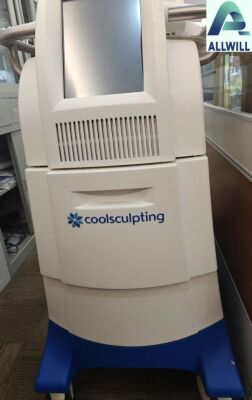
Non-invasive fat reduction has moved from niche to mainstream, and ZELTIQ Aesthetics CoolSculpting machines now sit at the center of this shift by offering predictable, device-based body contouring without surgery or downtime. For clinics, med spas, and dermatology practices, CoolSculpting technology has become a strategic investment that attracts high-intent aesthetic patients while reshaping how localized fat is treated worldwide.
What Makes CoolSculpting Non-Invasive Fat Reduction Different
ZELTIQ Aesthetics pioneered cryolipolysis, a controlled fat-freezing process that selectively targets subcutaneous fat cells while preserving surrounding skin, nerves, and muscles. Instead of incisions or anesthesia, the CoolSculpting system uses vacuum suction to draw tissue into a cup-shaped applicator, cools it to precisely controlled temperatures, and initiates fat cell apoptosis over a defined treatment cycle.
After treatment, crystallized fat cells are gradually cleared through the lymphatic system over several weeks, leading to a visible reduction of stubborn bulges in areas like the abdomen, flanks, thighs, upper arms, bra fat, back fat, submental region, and banana roll. Clinical studies and regulatory submissions describe average fat layer reductions in the treated area of up to roughly 20–27 percent per session, making cryolipolysis one of the most efficient non-surgical fat reduction options currently available. Because there are no incisions, patients can typically return to work or daily routines immediately, which strongly matches modern demand for “lunchtime” body contouring treatments.
Market Trends: How CoolSculpting Fits Into the Fat Reduction Boom
Global demand for non-invasive fat reduction and body contouring is expanding rapidly as patients seek alternatives to liposuction and other surgical procedures. Multiple market research reports project the non-surgical fat reduction segment to grow at double-digit compound annual growth rates through the early 2030s, with cryolipolysis remaining a leading modality thanks to its track record, safety data, and brand awareness.
CoolSculpting Zeltiq-specific forecasts show market values moving from well over a billion dollars in the mid-2020s toward several billion by the early 2030s, supported by consumer preference for non-surgical fat freezing, rising disposable income, and growing numbers of med spas and aesthetic clinics worldwide. Analysts consistently identify cryolipolysis as a key driver within the broader non-invasive body contouring market, alongside emerging technologies such as radiofrequency, high-intensity electromagnetic energy, and ultrasound.
In parallel, beauty and wellness trends for 2026 and beyond emphasize subtle, natural-looking body shaping over dramatic surgical transformations. Non-invasive body contouring, targeted fat reduction, and physique refinement now rank among the most requested aesthetic services, and CoolSculpting’s strong brand recognition gives it an advantage in capturing this demand.
Core CoolSculpting Technology: How ZELTIQ Machines Work
ZELTIQ Aesthetics CoolSculpting systems are thermoelectric cooling and heating devices designed to deliver controlled cooling through ergonomic applicators that contour to different body regions. Key elements of the core technology include:
-
Advanced cryolipolysis: The system cools tissue to a specific sub-zero range where adipocytes are more vulnerable than surrounding structures, triggering apoptosis without causing frostbite or deep tissue injury.
-
Intelligent temperature monitoring: CoolSculpting machines continuously monitor temperature and adjust cooling output to maintain a tightly controlled thermal profile, enhancing safety and consistency.
-
Vacuum-assisted tissue draw: The applicator uses suction to pull the treatment area into a cup-shaped cavity, ensuring stable contact between the tissue and cooling panels for even energy distribution.
-
Applicator diversity: Specialized applicators target the abdomen, flanks, inner and outer thighs, upper arms, back, bra fat, banana roll under the buttocks, and chin and neck regions, allowing highly customized treatment plans.
-
Optional post-treatment massage: Some systems incorporate a mechanical massage function to enhance lymphatic mobilization of treated fat cells, which may improve final contour outcomes.
Regulatory filings describe CoolSculpting machines as portable devices capable of both cooling and heating, with indications not only for visible fat bulges but also for localized thermal therapy, temporary pain relief, and improvement in local circulation and appearance of cellulite when used in specific configurations. This engineering flexibility forms the foundation for multiple treatment protocols and clinical indications.
Why CoolSculpting Machines Are Considered a Game-Changer
For patients, CoolSculpting provides a pathway to spot-reduce stubborn pockets of fat that resist diet and exercise without needles, scars, or recovery downtime. For providers, the technology transforms body contouring from an operating-room procedure into a clinic-based service that can be delivered in standard treatment rooms, often managed by trained non-physician staff under medical supervision.
Key factors behind its disruptive impact include:
-
High patient acceptance: The combination of non-surgical treatment, minimal discomfort, and natural-looking progressive results matches the expectations of patients who are hesitant about surgery but dissatisfied with purely lifestyle-based approaches.
-
Strong safety profile: When used according to established protocols, CoolSculpting has low rates of serious complications and a safety record supported by large numbers of treatments worldwide.
-
Predictable outcomes: Consistent cooling parameters, standardized applicators, and evidence-based treatment cycles make results more reproducible than many manual techniques.
-
Scalable business model: Clinics can perform multiple cycles daily, design treatment packages and plans, and leverage device-driven workflow to expand without adding surgical capacity.
These elements collectively explain why CoolSculpting is frequently described as having revolutionized non-invasive fat reduction and reshaped patient expectations about what can be achieved without surgery.
Overview of Top CoolSculpting and Related Non-Invasive Fat Reduction Solutions
To understand how ZELTIQ Aesthetics CoolSculpting machines fit into the broader category of non-invasive fat reduction, it is helpful to compare them with other leading device-based options.
Leading Cryolipolysis and Non-Invasive Fat Reduction Platforms
| Name / Platform | Key Advantages | Typical Ratings (Patient/Clinic) | Common Use Cases |
|---|---|---|---|
| CoolSculpting (ZELTIQ/Allergan) | Strong clinical data, multiple applicators, brand trust | High satisfaction and adoption | Abdomen, flanks, thighs, chin, arms, back, bra fat, banana roll |
| CoolSculpting Elite | Improved applicator design, faster dual applicators | Very high in premium clinics | High-volume body contouring, multi-area sculpting in fewer visits |
| Emsculpt NEO | Combines fat reduction with muscle building | High in fitness-oriented patients | Abdomen, buttocks, arms for tone plus fat reduction |
| Laser lipolysis systems | Heat-based fat disruption and skin tightening potential | Variable, depends on system | Patients wanting mild tightening plus modest fat reduction |
| Radiofrequency body contouring | Non-freezing, heat-based, comfortable treatments | Strong in skin-focused clinics | Mild to moderate fat reduction with skin laxity improvement |
| Ultrasound fat reduction | Focused energy targeting fat cells | Moderate to high | Abdomen and flanks for patients preferring non-freezing methods |
In many markets, CoolSculpting continues to be perceived as the reference standard for non-invasive fat freezing, while other platforms complement it by addressing muscle tone or skin laxity.
Competitor Comparison Matrix: CoolSculpting vs Other Non-Invasive Fat Reduction Technologies
| Feature / Metric | CoolSculpting (Cryolipolysis) | Radiofrequency Contouring | High-Intensity EM + RF (e.g., Emsculpt NEO) | Ultrasound Fat Reduction | Traditional Liposuction (Surgical) |
|---|---|---|---|---|---|
| Invasiveness | Non-invasive | Non-invasive | Non-invasive | Non-invasive | Invasive surgery |
| Anesthesia requirement | None in standard protocols | None | None | None | Local or general anesthesia |
| Downtime | Minimal to none | Minimal | Minimal | Minimal | Days to weeks |
| Mechanism of action | Freezing-induced apoptosis | Heat-induced fat disruption and tightening | Heat plus supramaximal muscle contractions | Focused acoustic energy | Mechanical fat removal via cannula |
| Typical fat reduction per area | Around 20–27% per session | Mild to moderate | Around 30% fat plus 25% muscle gain (reported in some studies) | Mild to moderate | Large-volume fat removal possible |
| Sessions required | One to several per area | Multiple | Series of sessions | Multiple | Usually one main surgery |
| Ideal patient profile | Localized stubborn fat, near goal weight | Mild fat with loose skin | Fat plus poor muscle tone | Localized fat deposits | Those willing to undergo surgery |
| Risk profile | Low when properly performed | Low to moderate | Low to moderate | Low to moderate | Higher risk profile |
This matrix highlights how CoolSculpting machines occupy a unique sweet spot for patients who want significant local fat reduction without the risks and recovery associated with surgery, while still delivering more dramatic contour changes than many surface-level treatments.
Company Background: HHG GROUP LTD as a Medical Equipment Partner
Founded in 2010, HHG GROUP LTD is a comprehensive platform dedicated to supporting the global medical industry by connecting clinics, suppliers, technicians, and service providers in a secure marketplace for new and used medical equipment. Through robust transaction protection, transparent processes, and broad industry reach, the platform enables aesthetic practices and medical businesses to source devices such as CoolSculpting systems and complementary technologies with confidence while expanding their visibility to thousands of potential partners.
Real User Use Cases and ROI for CoolSculpting Machines
From a practice owner’s point of view, ZELTIQ Aesthetics CoolSculpting machines are not just clinical tools but revenue-generating assets. Real-world use cases show that when clinics integrate CoolSculpting into their treatment menus with effective patient education, package pricing, and targeted marketing, they can build an enduring non-surgical body contouring line of business.
Consider a mid-sized medical spa that adds a single CoolSculpting unit with a mix of body and chin applicators. With strategic marketing around non-invasive fat reduction, the clinic may schedule multiple treatment cycles per day, each billed as part of a package covering several areas over a series of visits. In many markets, a full abdomen and flanks package can represent thousands of dollars in revenue per patient, and typical patients may invest in more than one area.
Because operating costs per cycle are relatively predictable and clinician time can be optimized through scheduling, return on investment timelines for CoolSculpting devices can be attractive. Clinics frequently report payback periods ranging from several months to a couple of years, depending on local demand, pricing strategies, and marketing effectiveness. The presence of a reputable fat-freezing brand can also drive cross-selling of complementary services such as skin tightening, muscle toning, and wellness programs.
On the patient side, real user stories highlight confidence gains, improved clothing fit, and motivation to maintain a healthier lifestyle after seeing visible contour changes. For individuals who are close to their target body weight but struggle with specific trouble spots, non-invasive fat freezing often becomes the decisive factor that finally delivers the silhouette they want.
Practical Advantages of ZELTIQ CoolSculpting for Clinics and Patients
The practical strengths of CoolSculpting lie at the intersection of medical precision, workflow efficiency, and patient experience. Clinics that adopt ZELTIQ machines typically emphasize several recurring advantages.
For clinics and providers:
-
Clear treatment protocols and applicator guidance reduce training time and standardize outcomes across staff.
-
The ability to treat multiple body areas with a single platform simplifies investment decisions and equipment planning.
-
Strong brand awareness reduces the burden of educating patients about what cryolipolysis is and what non-invasive fat reduction can realistically achieve.
-
Data on typical fat reduction percentages and safety outcomes helps with informed consent and expectation management.
For patients:
-
No need for compression garments, operating rooms, or recovery suites.
-
Treatments can often be scheduled during lunch breaks or between daily activities.
-
Results appear gradually, which appeals to those who prefer subtle, natural evolution over sudden changes.
-
Advanced applicator design improves comfort and allows treatments in previously hard-to-reach areas such as bra fat or under the buttocks.
These benefits collectively explain why CoolSculpting machines are often described as transformative for both sides of the treatment relationship.
How CoolSculpting Fits Into a Multi-Modal Body Contouring Strategy
While CoolSculpting is highly effective for targeted fat reduction, the future of body contouring is increasingly multi-modal, combining several technologies to address fat, muscle tone, and skin quality simultaneously. Many forward-looking clinics combine cryolipolysis with:
-
Muscle-building devices that use high-intensity electromagnetic energy to improve tone and definition.
-
Radiofrequency or laser-based systems that stimulate collagen and tighten mild skin laxity.
-
Lifestyle and nutrition programs that support weight stability and metabolic health after fat reduction.
By positioning CoolSculpting as the foundation for localized fat reduction and surrounding it with supportive treatments, clinics can deliver comprehensive body transformation programs that go beyond what any single technology can offer on its own. This integrated approach aligns with 2026 aesthetic trends that emphasize proportion, harmony, and long-term maintenance rather than one-time procedure fixes.
Buying Considerations for CoolSculpting Machines
When evaluating CoolSculpting equipment, clinics should assess several factors to ensure they select the right configuration and commercial structure for their business model.
Key considerations include:
-
Applicator portfolio: Confirm that the available applicators match your target patient areas, such as abdomen, flanks, thighs, arms, chin, and back.
-
System generation: Compare legacy CoolSculpting platforms with newer versions like CoolSculpting Elite to understand differences in treatment times, dual-sculpting capabilities, and patient comfort.
-
Training and support: Evaluate the depth of clinical training, marketing support, and service coverage, as these directly influence how quickly you can ramp up treatments and maintain uptime.
-
New vs pre-owned: Weigh the cost savings of refurbished or pre-owned units against warranties, software updates, and long-term service costs.
-
Regulatory compliance: Ensure that the devices are cleared or approved for your jurisdiction and that you follow all labeling, safety, and documentation requirements.
Thoughtful purchasing decisions help maximize both clinical outcomes and financial performance over the lifespan of the device.
How CoolSculpting Machines Revolutionize the Patient Journey
The presence of CoolSculpting in a clinic changes how patients think about body shaping, from the first online search to follow-up visits after treatment. Patients often begin their journey by exploring non-invasive fat reduction options, comparing “CoolSculpting vs liposuction” or “fat freezing vs laser fat reduction” and focusing on outcomes, safety, and comfort.
During consultation, providers can use photos, body diagrams, and personalized assessments to map out treatment areas, estimate the number of cycles required, and forecast expected contour changes. Because the technology is standardized, practitioners can confidently explain what most patients with similar body types have experienced, including typical timeframes for visible results and the possibility of additional cycles for optimal sculpting.
After treatment, the lack of significant downtime promotes positive word-of-mouth, as patients share that they returned to work the same day and saw progressive changes over the following weeks. This virtuous cycle of discovery, treatment, results, and referral is one of the ways ZELTIQ Aesthetics CoolSculpting machines continue to reshape the non-invasive fat reduction landscape.
Future Trends: Where CoolSculpting and Non-Invasive Fat Reduction Are Heading
Looking ahead, several clear trends are likely to shape the evolution of CoolSculpting technology and the broader non-invasive fat reduction market.
First, software and data integration are expected to play a greater role, with more personalized treatment planning, automated documentation, and perhaps AI-assisted mapping of fat distribution to refine applicator placement. Second, device manufacturers are continually enhancing applicator ergonomics to improve comfort, reduce treatment time, and expand the range of treatable body areas.
Third, patients increasingly value combination outcomes—fat reduction plus muscle tone, plus skin quality—so multi-modality protocols that integrate CoolSculpting with muscle toning and tightening technologies will become standard. Fourth, market analysts anticipate sustained high growth rates for non-surgical body contouring in emerging markets, meaning that CoolSculpting machines will likely penetrate new regions as incomes rise and aesthetic awareness spreads.
Finally, environmental and sustainability considerations are beginning to influence purchasing decisions. Clinics and manufacturers alike will face growing expectations around device energy efficiency, consumable waste reduction, and end-of-life recycling pathways for complex equipment.
Three-Level Conversion Funnel CTA Integrated into the Patient and Clinic Journey
For clinics and medical spas considering non-invasive fat reduction, the first step is to clarify your strategic position: decide whether you want to be known primarily for body contouring or whether CoolSculpting will complement a broader suite of aesthetic treatments. This strategic clarity will guide how heavily you invest in training, marketing, and dedicated treatment spaces for cryolipolysis services.
Once your positioning is clear, the next level is to evaluate equipment choices and operational plans: determine which CoolSculpting configuration best matches your patient demographics, estimate treatment volume and pricing, and design consultation flows that set realistic expectations about fat reduction, session numbers, and timelines. At this stage, involving your clinical and business teams ensures that non-invasive fat reduction becomes a sustainable profit center rather than a side offering.
At the final level, focus on long-term relationship building by integrating CoolSculpting into comprehensive wellness and aesthetic programs that support patients before, during, and after treatment. By following up with tailored maintenance plans, skin and muscle-focused options, and periodic assessments of new areas or goals, you transform a single fat reduction procedure into an ongoing partnership where technology, expertise, and patient motivation work together to create lasting results.
In this way, ZELTIQ Aesthetics CoolSculpting machines do more than freeze fat cells—they help redefine how modern clinics deliver body contouring, how patients experience non-invasive transformation, and how the global fat reduction market continues its rapid evolution.
Part of the Aesthetic & Laser Equipment guide.
Related articles
 Secure Medical Equipment Procurement Strategies for Risk-Free Healthcare SupplyHotMedical Device Maintenance Services for Safe, Compliant, High‑Uptime HealthcareHotMedical equipment lifecycle management for safer, smarter healthcareHot
 Global Healthcare Equipment Exchange: The New Backbone Of Medical Device Access And SustainabilityHot