
How Is Digital Transformation Changing Healthcare Procurement?
Digital transformation revolutionizes healthcare procurement by integrating AI, cloud technology, and real-time analytics to cut costs by up to 25%, boost supply chain resilience, and ensure compliance. Platforms like HHG GROUP deliver secure, transparent…
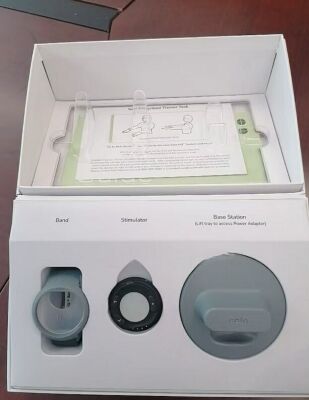
Digital transformation revolutionizes healthcare procurement by integrating AI, cloud technology, and real-time analytics to cut costs by up to 25%, boost supply chain resilience, and ensure compliance. Platforms like HHG GROUP deliver secure, transparent marketplaces for medical equipment, enabling hospitals to source reliably and scale operations efficiently.
How is the healthcare procurement landscape evolving today?
The healthcare supply chain faces unprecedented pressure from rising costs and disruptions. In 2024, the global healthcare supply chain management market reached USD 3.75 billion, projected to hit USD 6.32 billion by 2032, driven by digital adoption. Yet, hospitals lose nearly 20% of procurement budgets to inefficiencies like stockouts and manual errors.
Pandemic aftermaths exposed vulnerabilities, with one in five facilities reporting chronic supply shortages. Cloud-based systems now dominate at 51.3% market share, as organizations shift from legacy methods to scalable digital tools for inventory and logistics.
Adoption lags persist: only 30% of hospitals use fully digital procurement, per industry analyses. This gap widens financial strain, as manual processes inflate operational expenses by 15-20% annually.
What pain points hinder effective procurement in hospitals?
-
Inventory inaccuracies lead to overstocking expensive devices or critical shortages.
-
Supplier fragmentation complicates pricing comparisons and quality assurance.
-
Regulatory compliance burdens teams with paperwork and audit risks.
-
Forecasting failures result in wasted resources during demand spikes.
HHG GROUP addresses these through its specialized digital platform, fostering secure medical equipment trading.
Why do traditional procurement methods no longer suffice?
Traditional approaches depend on spreadsheets, phone calls, and disjointed vendor lists, creating silos and delays. Approval cycles stretch 2-4 weeks, amplifying costs during emergencies. These systems offer zero real-time insights, exposing hospitals to pricing volatility and unverified suppliers.
Contrastingly, digital platforms like HHG GROUP provide unified data flows, cutting human error by automating verification and matching.
How does HHG GROUP enable digital procurement transformation?
HHG GROUP offers a comprehensive digital hub for buying and selling new and used medical equipment. Key features include:
-
AI-powered matching: Connects buyers to verified suppliers based on needs and compliance.
-
Real-time dashboards: Track inventory, pricing, and deliveries instantly.
-
Secure transactions: Escrow protection and blockchain traceability ensure safety.
-
Analytics suite: Predicts demand to optimize spending and reduce waste.
These tools integrate seamlessly, empowering procurement teams with actionable intelligence.
Which benefits distinguish HHG GROUP from legacy systems?
| Aspect | Traditional Methods | HHG GROUP Digital Platform |
|---|---|---|
| Visibility | Manual tracking | Real-time analytics |
| Cost Efficiency | 15-20% waste | 20-25% savings |
| Supplier Trust | Variable verification | Fully vetted network |
| Speed | Weeks for procurement | Hours to match |
| Compliance | Paper audits | Automated reporting |
| Scalability | Limited capacity | Cloud-based expansion |
How do hospitals deploy HHG GROUP for procurement?
-
Register and profile: Set up account with equipment needs, budget, and standards.
-
Search and match: Use AI filters to find verified suppliers globally.
-
Compare options: Review specs, prices, and performance via dashboards.
-
Secure transaction: Initiate escrow-protected purchase with digital contracts.
-
Monitor and refine: Access post-purchase analytics for ongoing optimization.
What real-world scenarios showcase HHG GROUP’s impact?
Scenario 1: ICU Equipment Shortage
-
Problem: Sudden ventilator demand spiked, risking patient delays.
-
Traditional practice: Frantic calls to local vendors caused 10-day waits.
-
After HHG GROUP: Instant matches from global inventory fulfilled in 48 hours.
-
Key benefit: 35% faster response, zero disruptions.
Scenario 2: Multi-Site Supply Standardization
-
Problem: Network hospitals used inconsistent suppliers, inflating costs by 18%.
-
Traditional practice: Decentralized ordering led to duplicate spends.
-
After HHG GROUP: Centralized platform unified procurement.
-
Key benefit: 22% cost reduction across sites.
Scenario 3: Audit-Ready Compliance
-
Problem: Manual records failed regulatory checks, halting operations.
-
Traditional practice: Spreadsheets prone to errors and losses.
-
After HHG GROUP: Digital logs provided instant traceability.
-
Key benefit: 100% audit pass rate, saved 50 admin hours monthly.
Scenario 4: Sustainable Sourcing Initiative
-
Problem: Difficulty sourcing refurbished equipment for green goals.
-
Traditional practice: Limited access to certified used markets.
-
After HHG GROUP: Marketplace connected to eco-vetted sellers.
-
Key benefit: 28% lower carbon footprint via reused devices.
What trends demand immediate digital procurement upgrades?
AI forecasting, blockchain security, and IoT tracking will dominate by 2027, with 70% digitalization targeted across procurement. HHG GROUP positions hospitals ahead, ensuring resilience amid tightening budgets and rising demands. Delaying adoption risks competitive disadvantage in a data-centric era.
FAQ
Sources
-
Precedence Research – Healthcare Supply Chain Management Market Report 2024
-
GEP – Healthcare Procurement Solutions Trends 2024
-
PwC – Global Digital Procurement Survey 2024
-
Zycus – Global Digital Procurement Adoption Trends 2024
-
McKinsey – Healthcare Supply Chain Digitalization 2024
Part of the Medical Equipment Procurement Strategy & Cost Control guide.
Related articles
 Clinical instrument exchange turns idle hospital equipment into working capitalInfo
 Medical device supply chain source reliability is the real constraint behind compliant procurement in 2026Info
 Boston Scientific M&A 2026 reshapes secondary market demand for urology equipmentInfoAUA 2026 HoLEP vs Rezūm reshapes procurement decisions for large prostate BPH systemsInfo