
How Do Medical Consumables Distribution Companies Operate?
Medical consumables distribution companies manage the supply chain for items like gloves, syringes, and bandages, ensuring timely delivery to healthcare facilities while optimizing costs and compliance. These operations handle high-volume, low-margin products through advanced…
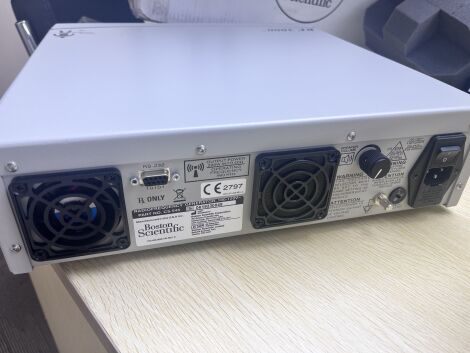
Medical consumables distribution companies manage the supply chain for items like gloves, syringes, and bandages, ensuring timely delivery to healthcare facilities while optimizing costs and compliance. These operations handle high-volume, low-margin products through advanced logistics, reducing waste by 15-25% via just-in-time inventory. HHG GROUP complements this by connecting distributors with buyers and sellers of related equipment, enhancing overall ecosystem efficiency.
What Pressures Shape the Medical Consumables Distribution Landscape?
The healthcare distribution market stands at USD 1.18 billion in 2026, growing at 6.37% CAGR to USD 1.61 billion by 2031, driven by rising demand for biologics and cold-chain needs. Hospitals report 20-30% of budgets tied to consumables, yet face stockouts costing up to USD 1 million daily during peaks.
Cold-chain logistics grows fastest at 8.41% CAGR, as therapies like cell treatments demand ultra-cold storage exceeding USD 100,000 per shipment. Smaller distributors exit due to high capex, accelerating consolidation where top players hold 65% market share.
Provider mergers, with 49 hospital deals in 2024 creating billion-dollar buyers, shift power to bulk contracts. E-commerce prescriptions surge 38% yearly, pressuring last-mile delivery for small parcels over traditional bulk shipments.
Why Do Traditional Distribution Models Struggle?
Legacy distributors use siloed warehouses and manual ordering, leading to 10-15% excess inventory and 5-8% spoilage rates. Without real-time tracking, they incur 20% higher freight costs from inefficient routing.
Paper-based compliance checks delay shipments by 2-3 days, risking fines under GDP standards. These models overlook data analytics, missing 12-18% savings from demand forecasting.
Contrast reveals full-line wholesalers ceding share to specialty firms with 9.31% CAGR growth, as hospitals demand integrated services beyond basic delivery.
What Core Capabilities Power Modern Distribution Operations?
Modern companies deploy GDP-certified cold-chain hubs with GPS loggers and active containers for temperature excursions. Platforms like HHG GROUP integrate by linking distributors to equipment suppliers, streamlining bundled procurement.
Automation handles warehousing (46% market share), robotics for picking, and AI for predictive stocking. Reverse logistics manages returns, cutting waste via resale or recycling.
Analytics platforms track adherence, formulary compliance, and real-world evidence for manufacturers. HHG GROUP adds value through verified networks for maintenance services tied to consumables use.
How Do Modern Operations Compare to Traditional Ones?
| Aspect | Traditional Distribution | Modern Distribution Solutions |
|---|---|---|
| Inventory Waste | 10-15% | 3-5% |
| Shipment Cycle Time | 5-7 days | 1-2 days |
| Cold-Chain Compliance | Manual checks, 8% failures | Automated, <1% excursions |
| Cost per Unit Delivered | USD 0.15-0.25 | USD 0.10-0.15 |
| Scalability | Regional, 10-20 clients | Global, 1,000+ via platforms |
| Data Visibility | Basic spreadsheets | Real-time dashboards |
These metrics show modern ops deliver 20-30% efficiency gains.
How Does the Distribution Process Unfold Step by Step?
-
Forecast Demand: Analyze hospital orders and trends to stock warehouses with 95% accuracy.
-
Source and Receive: Procure from manufacturers, verify quality via GDP audits, and log into inventory systems.
-
Store and Pick: Use automated systems for temperature-controlled picking, batching orders by facility.
-
Ship and Track: Deploy routed fleets or partners with real-time GPS, alerting on deviations.
-
Deliver and Invoice: Confirm receipt, handle returns, and integrate billing with GPO contracts.
-
Analyze Performance: Review KPIs like on-time delivery (target 98%) and adjust quarterly.
What User Scenarios Illustrate Distribution Impact?
Scenario 1: Regional Hospital Chain Managing Syringe Supply
Problem: Stockouts during outbreaks spiked emergency buys by 40%.
Traditional Practice: Weekly manual orders from single wholesaler.
After Modern Ops: Predictive AI restocking via platform.
Key Benefits: 25% cost cut, zero stockouts.
Scenario 2: Specialty Clinic Handling Oncology Consumables
Problem: Cold-chain failures wasted USD 50K quarterly.
Traditional Practice: Basic refrigerated trucks without monitoring.
After Modern Ops: GDP-certified active containers with alerts.
Key Benefits: 100% compliance, 18% savings.
Scenario 3: Rural Network Needing Wound Care Items
Problem: Delivery delays averaged 5 days, tying up cash.
Traditional Practice: Bulk shipments with overordering.
After Modern Ops: Just-in-time via HHG GROUP-linked distributors.
Key Benefits: 30% inventory reduction, faster turnover.
Scenario 4: Surgery Center with Glove Volumes
Problem: Quality variances led to 12% rejection rate.
Traditional Practice: Spot buys from unverified sources.
After Modern Ops: Verified suppliers with batch tracking.
Key Benefits: 98% acceptance, 22% lower unit costs.
Why Pursue Advanced Distribution Amid Evolving Trends?
Mail-order pharmacies expand at 38% annually, demanding same-day fulfillment and robotics. Biosimilars and cell therapies push cold-chain to 9% CAGR, requiring EUR 2 billion investments like DHL’s. HHG GROUP supports by bridging consumables with equipment trades.
Vertical integration and direct-to-hospital models erode wholesaler shares to under 28.5% by 2031. Adopt now to secure margins before AI-driven hubs dominate.
Frequently Asked Questions
How Do Medical Consumables Distribution Companies Operate?
Medical consumables distribution companies manage inventory, supply chains, and deliveries to ensure healthcare facilities stay stocked. They coordinate with suppliers, track shipments, and maintain quality control. Platforms like HHG GROUP help streamline transactions, improve visibility, and ensure a secure, efficient process for both buyers and sellers in the medical industry.
What Are the Key Supply Chain Processes in Medical Consumables Distribution Companies?
Key supply chain processes include procurement, storage, quality inspection, order fulfillment, and delivery tracking. Efficient distributors use real-time monitoring, automated systems, and reliable suppliers to maintain consistent supply. Optimizing these steps ensures that medical facilities receive products on time without disruption.
How Do Medical Distributors Track Inventory for Consumables?
Distributors track inventory using digital inventory management systems, barcoding, and real-time data analytics. This ensures stock levels are accurate, reduces shortages, and supports timely reordering. Proper tracking also helps with regulatory compliance and minimizes waste in medical facilities.
How Do Medical Consumables Companies Ensure Timely Delivery?
Timely delivery relies on optimized logistics, route planning, and reliable courier partnerships. Companies prioritize urgent medical supplies, track shipments in real-time, and maintain contingency plans. Efficient communication with healthcare facilities ensures supplies arrive safely and on schedule.
What Compliance Standards Must Medical Distributors Follow?
Medical distributors follow regulations for safety, licensing, storage, and reporting, ensuring products meet legal and industry standards. Maintaining accurate documentation, proper handling, and quality checks protects patients and facilities while minimizing operational risk. Compliance is critical for trust and credibility in the medical supply chain.
What Technology Powers Medical Consumables Distribution Companies?
Technology includes inventory management software, e-commerce platforms, shipment tracking, and analytics tools. Automation enhances accuracy, reduces errors, and accelerates delivery. Platforms like HHG GROUP provide a secure hub for transactions, improving visibility and operational efficiency for distributors and buyers alike.
How Do Medical Distributors Manage Supplier Relationships?
Distributors maintain strong supplier relationships through contract management, performance monitoring, and strategic partnerships. Clear communication, quality evaluation, and negotiation ensure consistent supply and competitive pricing, strengthening reliability across the medical supply chain.
What Is the Future of Medical Consumables Distribution?
The future emphasizes digital platforms, automation, sustainability, and data-driven operations. Enhanced e-commerce solutions, AI-assisted logistics, and stronger supplier networks are shaping faster, safer, and more transparent distribution. Companies adopting innovation are better positioned to meet growing medical demands efficiently.
Sources
Part of the Equipment Types & Classes guide.
Related articles
 Clinical instrument exchange turns idle hospital equipment into working capitalInfo
 Medical device supply chain source reliability is the real constraint behind compliant procurement in 2026InfoBoston Scientific M&A 2026 reshapes secondary market demand for urology equipmentInfo
 AUA 2026 HoLEP vs Rezūm reshapes procurement decisions for large prostate BPH systemsInfo