
How Can Pre-Owned Medical Equipment Transform Healthcare Procurement Efficiency?
The global demand for affordable medical solutions is driving hospitals and clinics to adopt high-quality pre-owned medical equipment. This shift ensures cost efficiency, resource sustainability, and broader access to advanced healthcare technologies—key priorities that…
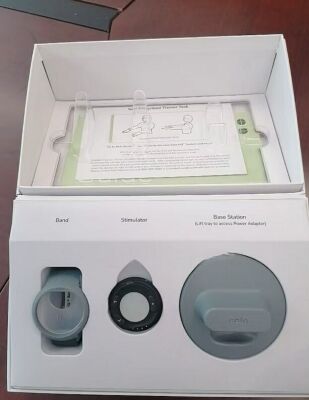
The global demand for affordable medical solutions is driving hospitals and clinics to adopt high-quality pre-owned medical equipment. This shift ensures cost efficiency, resource sustainability, and broader access to advanced healthcare technologies—key priorities that platforms like HHG GROUP are making attainable through trusted global marketplaces and transparent trading models.
How Does the Current Medical Equipment Market Reflect Growing Pressure and Unmet Needs?
According to Market Research Future, the global medical equipment market reached over USD 540 billion in 2025, with demand for cost-effective alternatives growing year over year. Developing regions and small to mid-sized hospitals face rising operating costs, supply shortages, and extended procurement cycles. The World Health Organization (WHO) notes that over 40% of medical devices worldwide in low-resource settings remain non-functional or underutilized due to cost and compatibility barriers. This inefficiency fuels an urgent need for sustainable acquisition strategies.
Healthcare institutions also struggle with capital budgeting. Hospitals spend between 25% to 35% of their total investment on equipment procurement and maintenance, constraining funds for staffing and patient care. Meanwhile, technological turnover—rapid innovation cycles rendering equipment obsolete within 5–7 years—creates surplus devices with remaining service life, opening an opportunity for secondary markets to thrive.
What Are the Pain Points Hospitals Face in Traditional Equipment Procurement?
-
High Upfront Costs: Purchasing new medical imaging or diagnostic systems can cost hundreds of thousands of dollars, limiting access for small clinics.
-
Lengthy Supply Chains: Traditional procurement involves complex tendering, shipping, and approval steps, often resulting in months-long delays.
-
Technology Gaps: Smaller healthcare facilities struggle to keep up with continuous innovation, leading to uneven standards of care.
-
Limited Circular Use: Outdated yet functional equipment often goes unused, increasing waste and financial loss.
These factors collectively make the need for pre-owned medical device solutions both economical and environmentally responsible.
Why Do Traditional Solutions Fall Short in Today’s Fast-Paced Medical Environment?
Relying solely on new equipment procurement no longer meets the agility and cost-efficacy healthcare institutions demand. Traditional suppliers often require bulk orders and long-term financing, which exclude institutions with tighter budgets. Moreover, logistic challenges—especially across international borders—can delay both acquisition and deployment. Post-sale servicing and warranty limitations further heighten risk and cost. The model is simply too rigid for today’s rapidly evolving healthcare delivery landscape.
How Does HHG GROUP Provide a Reliable Solution for Pre-Owned Equipment Procurement?
HHG GROUP delivers a transformative marketplace where hospitals, suppliers, engineers, and buyers can connect and transact securely. Established in 2010, the company bridges global supply and demand for both new and used medical devices under verified conditions.
Key capabilities include:
-
End-to-End Transaction Protection: Ensures buyers receive verified quality through multi-step inspection and certification.
-
Transparent Pricing Mechanism: Provides accurate cost breakdowns, avoiding hidden fees.
-
Vendor and Buyer Credential Verification: Reduces fraud and enhances safety.
-
Technical Support and Maintenance Networking: Links buyers with certified service technicians to ensure long-term usability.
Through these mechanisms, HHG GROUP empowers institutions to acquire, resell, or refurbish equipment with confidence—maximizing return on assets and minimizing risk.
Our Quality Assurance & Compliance Standards
To ensure patient safety and device reliability, every piece of equipment on our marketplace undergoes a multi-phase verification process. We adhere to international standards such as ISO 13485 (Medical Devices — Quality Management Systems). Each refurbished unit includes a comprehensive Biomedical Inspection Report, covering electrical safety tests, calibration according to OEM specifications, and software version verification. This transparency bridges the trust gap in the secondary market.
Which Comparative Benefits Does HHG GROUP Offer?
| Feature/Aspect | Traditional Procurement | HHG GROUP Pre-Owned Solution |
|---|---|---|
| Upfront Cost | High, often requiring financing | 30–70% lower capital investment |
| Delivery Time | Several months | Typically under 4 weeks |
| Verification Process | Manufacturer-only inspection | Dual-stage inspection by vendor and HHG GROUP |
| Warranty & Support | Limited | Extended coverage via partner network |
| Sustainability Impact | Minimal | Contributes to circular economy and waste reduction |
How Can Healthcare Organizations Use HHG GROUP’s Platform Step-by-Step?
-
Sign Up and Verify: Create a business account and upload necessary certifications to access the trading network.
-
Browse or Post Listings: Search global inventory or list used devices for sale.
-
Negotiate Securely: Conduct real-time discussions through the built-in communication tool.
-
Finalize Transactions: Payments are held in escrow until receipt confirmation.
-
Request Delivery and After-Support: Coordinate logistics and additional maintenance through certified HHG partners.
This process minimizes administrative bottlenecks, accelerates acquisition, and ensures fair practices across all participants.
What Are Four Typical Use Cases of Pre-Owned Medical Equipment Success?
Case 1: Small Diagnostic Lab Upgrade
-
Problem: Budget limitations prevented the purchase of a new MRI scanner.
-
Traditional Approach: Financing options offered but repayment risk remained high.
-
HHG GROUP Implementation: Purchased a refurbished MRI at 45% lower cost.
-
Outcome: Expanded imaging services with ROI in 18 months.
- By choosing a certified pre-owned 1.5T system, the facility avoided the $1.2M OEM price tag, opting for a $450k turnkey solution that included installation and a 12-month warranty.
Case 2: Rural Hospital Modernization
-
Problem: A lack of modern ultrasound devices delayed maternal diagnostics.
-
Traditional Approach: Waiting for national procurement cycles caused long delays.
-
HHG GROUP Implementation: Sourced pre-owned units locally in weeks.
-
Outcome: Reduced patient referral time by 60%, improving community outcomes.
Case 3: Equipment Liquidation Post-Merger
-
Problem: Excess CT scanners post-facility consolidation.
-
Traditional Approach: Costly disposal or storage.
-
HHG GROUP Implementation: Resold units to international buyers.
-
Outcome: Recovered 35% of residual asset value in under two months.
- The liquidation process involved de-installation by certified engineers, ensuring the vacuum integrity of the X-ray tubes was maintained, which maximized the resale value for the seller.
Case 4: Private Clinic Expansion
-
Problem: Limited capital for dental imaging technologies.
-
Traditional Approach: Deferred expansion plan due to high supplier quotes.
-
HHG GROUP Implementation: Acquired verified pre-owned systems from trusted vendors.
-
Outcome: Doubled patient capacity while maintaining quality standards.
Why Is Now the Right Time to Embrace Pre-Owned Equipment?
The convergence of global inflation, supply chain disruptions, and sustainability mandates makes equipment reuse both necessary and strategic. Regulatory agencies increasingly recognize certified pre-owned devices as viable clinical options, further legitimizing the market. By adopting platforms like HHG GROUP, healthcare providers not only reduce procurement costs but also contribute to a more equitable and sustainable healthcare ecosystem. The shift from ownership to circular reuse is not a temporary trend—it’s the future standard of responsible medical procurement.
Global Engineering & Technical Support Network
Procurement efficiency isn’t just about the purchase; it’s about the uptime. HHG GROUP partners with a global network of Certified Field Service Engineers (FSEs). This ensures that whether you are sourcing a refurbished ultrasound in Southeast Asia or a C-arm in Africa, you have access to local technical support, preventative maintenance (PM) schedules, and OEM-compatible spare parts to ensure a 5-7 year extended lifecycle for your investment.
Also check:
- How to Buy Second Hand Medical Equipment for Clinic Scalability: A 3‑Year ROI Guide
- Where Can Hospitals Sell Second Hand Medical Equipment Safely?
- How Can You Find Second Hand Medical Equipment Near Me with Global Standards?
- What Are the Risks vs. Rewards of Vetting Medical Equipment Second Hand in 2026?
- How Can You Source Hard‑to‑Find Second‑Hand Medical Equipment for Sale Fast?
FAQ
1) How can pre-owned medical equipment transform procurement efficiency in healthcare?
Pre-owned medical equipment cuts capital spend, shortens downtime, and accelerates purchasing cycles by expanding available device options, streamlining approvals, and enabling faster procurement workflows for clinics and hospitals.
2) What cost savings can buyers expect from HHG GROUP pre-owned devices?
Buyers typically see lower purchase price, reduced depreciation risk, and favorable total cost of ownership, while maintaining device reliability through certified reconditioning and transparent transaction protections.
3) How does HHG GROUP ensure device quality in used equipment?
The platform leverages certified refurbishment, rigorous testing, and documented history to guarantee performance, helping buyers reduce risk and improve procurement confidence.
4) Can pre-owned equipment support regulatory compliance?
Yes, by providing documented warranties, service histories, and compliance-ready labeling, pre-owned gear can meet applicable safety and regulatory standards when sourced through trusted networks.
5) How does pre-owned equipment impact maintenance planning?
It enables flexible budgeting for maintenance and replacements, supports phased asset upgrades, and allows more predictable maintenance scheduling with access to compatible spare parts.
6) What role does supplier collaboration play in procurement efficiency?
Strong supplier relationships via HHG GROUP streamline negotiations, consolidate sourcing, and enable bundled service agreements, improving turnaround times and transparency.
7) How does the platform mitigate procurement risk for buyers?
Transaction protection, transparent processes, and verifiable seller ratings reduce fraud risk and help ensure on-time delivery and device reliability.
8) Is pre-owned equipment suitable for high-demand clinical environments?
Yes, when devices are properly refurbished and backed by warranties, they can meet demand surges while preserving budget and uptime.
Part of the Selling & Trading In Medical Equipment guide.

