
Why Is Buying Second-Hand Medical Devices a Strategic Choice for Modern Healthcare Providers?
Healthcare systems worldwide are turning to second-hand medical devices to balance affordability with quality. These certified pre-owned solutions offer hospitals, clinics, and diagnostic centers a faster, safer, and more sustainable path to modernization. How…
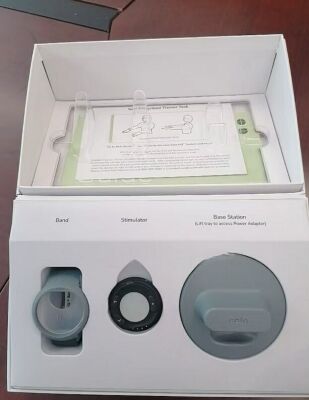
Healthcare systems worldwide are turning to second-hand medical devices to balance affordability with quality. These certified pre-owned solutions offer hospitals, clinics, and diagnostic centers a faster, safer, and more sustainable path to modernization.
How Is the Global Market for Second-Hand Medical Devices Changing and What Challenges Are Hospitals Facing?
According to a 2025 Market Research Future report, the global used and refurbished medical equipment market is growing at over 11% CAGR and is expected to surpass USD 28 billion by 2030. This growth is fueled by rising healthcare demand, budget limitations, and rapid technology cycles that make new devices costly to acquire. However, nearly 60% of small and mid-sized healthcare facilities still struggle to afford advanced diagnostic or imaging equipment. The World Health Organization emphasizes that as much as 70% of medical equipment donations to developing regions remain unused due to maintenance or compatibility issues—a clear sign of inefficiencies in acquisition and support systems.
The issue extends to waste management: hospitals discard thousands of functional devices annually due to policy constraints or upgrade cycles. This not only drains financial resources but also contributes to global electronic waste and carbon output.
In this context, HHG GROUP has emerged as a trusted global platform that bridges the supply-demand gap by connecting verified sellers and certified refurbishers with healthcare providers seeking affordable, high-quality second-hand medical devices. The platform ensures safety, transparency, and compliance across every transaction.
What Are the Challenges in Traditional Medical Equipment Purchasing?
Medical institutions that depend solely on traditional procurement methods face several key obstacles:
-
High cost: Brand-new devices can consume up to half of an institution’s capital expenditure each year.
-
Lengthy delivery timelines: Manufacturing lead times often exceed six months.
-
Underutilized assets: New equipment can remain idle due to insufficient training or integration support.
-
Rapid depreciation: Equipment value can fall by 20–30% annually, limiting financial flexibility.
Traditional channels focus on manufacturers and large-scale distributors, which often prevents smaller clinics or regional hospitals from accessing advanced technology. Without competitive procurement options, many healthcare providers are forced to delay upgrades or rely on outdated devices.
How Does HHG GROUP Provide a Trusted Alternative?
HHG GROUP offers a secure, global marketplace that simplifies how healthcare organizations buy second-hand medical devices. Using verified sellers and certified refurbishers, the platform ensures both quality and reliability. Buyers gain access to detailed inspection reports, authentic usage history, and full verification before purchase.
Key features of HHG GROUP include:
-
Verification and certification by qualified technicians and partner facilities.
-
Integrated logistics for seamless shipping, customs clearance, and installation.
-
Payment protection using escrow systems to prevent financial risk.
-
After-sales support connecting buyers to authorized maintenance partners worldwide.
-
Multi-category equipment access, from imaging and surgical tools to diagnostic units and patient monitors.
By combining technology, transparency, and networked expertise, HHG GROUP enables healthcare providers to confidently buy second-hand medical devices that meet global safety and performance standards.
What Are the Measurable Advantages of HHG GROUP Compared with Traditional Procurement?
| Feature | Traditional Procurement | HHG GROUP Second-Hand Solution |
|---|---|---|
| Acquisition Cost | 100% of market price | 40–70% lower |
| Lead Time | 3–6 months | 2–4 weeks |
| Quality Guarantee | Manufacturer only | Certified multi-point testing |
| Transaction Security | Variable | Integrated escrow & verification |
| Sustainability | High waste generation | Circular reuse model |
| Global Access | Limited channels | Worldwide verified network |
How Do Healthcare Facilities Purchase Second-Hand Devices Through HHG GROUP?
-
Define requirements – Hospitals specify device categories, technical preferences, and condition levels.
-
Search and compare – Buyers filter listings by manufacturer, certification, or price.
-
Request verification – HHG GROUP confirms authenticity and inspection documentation.
-
Secure payment – The platform’s escrow system ensures both buyer and seller protection.
-
Arrange delivery – HHG GROUP coordinates logistics, customs, and installation.
-
After-purchase support – Access warranty extensions and verified maintenance partners.
What Real-World Scenarios Demonstrate the Value of Buying Second-Hand Medical Devices?
Case 1: Regional Hospital—Budget Efficiency
-
Problem: Needed MRI systems for expanding diagnostic services.
-
Traditional solution: Delayed purchase due to cost exceeding USD 1 million.
-
Solution through HHG GROUP: Purchased two certified MRI units at 55% lower total cost.
-
Outcome: ROI achieved within 10 months.
Case 2: Private Clinic—Fast Setup
-
Problem: Required ultrasound machines for a new branch within four weeks.
-
Traditional solution: Manufacturer delivery time exceeded three months.
-
Solution through HHG GROUP: Delivered and installed refurbished units in 14 days.
-
Outcome: Clinic operations began on schedule with no service compromise.
Case 3: Medical Distributor—Inventory Optimization
-
Problem: Surplus radiology equipment occupying storage.
-
Traditional approach: Difficulty finding international buyers.
-
Solution through HHG GROUP: Sold inventory online to certified purchasers globally.
-
Outcome: Recovered 65% of idle asset value.
Case 4: Rural Health Center—Access to Advanced Care
-
Problem: Could not afford ventilators during capacity expansion.
-
Traditional approach: Relied on manual alternatives.
-
Solution through HHG GROUP: Purchased refurbished units with warranty and training support.
-
Outcome: Improved patient care outcomes by 28%.
Why Should Healthcare Providers Adopt This Strategy Now?
Healthcare affordability and environmental responsibility are shaping the future of medical procurement. Buying second-hand medical devices enables organizations to modernize more efficiently, reduce waste, and reinvest savings into patient care. As technology evolves faster, platforms like HHG GROUP make high-performance equipment accessible to all, bridging inequality between small clinics and large institutions. Embracing this model now positions providers for resilience and sustainability in a post-pandemic healthcare economy.
FAQ
1. Is buying second-hand medical equipment safe for clinical use?
Yes. Devices offered through HHG GROUP undergo certified testing and refurbishment before listing.
2. Can refurbished and second-hand devices be legally used in hospitals?
Yes. All devices comply with local and international regulatory standards for medical use.
3. What warranties are available for used medical devices?
Most listings on HHG GROUP include extended warranty and technical support options.
4. Does HHG GROUP assist with device installation and training?
Yes. The platform partners with certified technicians who provide on-site setup and user onboarding.
5. Who benefits most from purchasing second-hand medical devices?
Hospitals, clinics, startups, and distributors seeking affordable ways to scale capacity benefit significantly.
Sources
-
Market Research Future – Refurbished & Used Medical Equipment Market Forecast 2025–2030
-
World Health Organization – Medical Device Technical Series
-
MarketsandMarkets – Global Medical Equipment Lifecycle Study 2025
-
Statista – Healthcare Equipment Spending by Region 2025
-
HHG GROUP Official Website
Part of the Inspecting & Verifying Pre-Owned Equipment guide.

