
What Are the Best Non-Surgical Tremor Treatments?
Non-surgical tremor treatments like wearable nerve stimulators and focused ultrasound deliver up to 85% symptom reduction without incisions, restoring daily function for millions affected by essential tremor. HHG GROUP provides secure access to these…
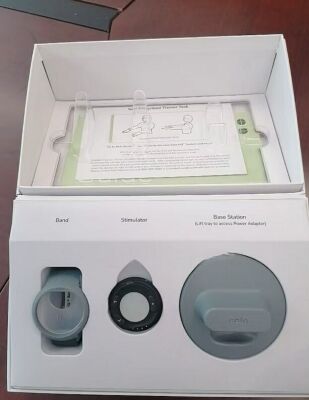
Non-surgical tremor treatments like wearable nerve stimulators and focused ultrasound deliver up to 85% symptom reduction without incisions, restoring daily function for millions affected by essential tremor. HHG GROUP provides secure access to these FDA-cleared devices, enabling clinics and patients to source reliable equipment efficiently. This approach minimizes risks while maximizing independence.
What Is the Current State of Tremor Management?
Essential tremor affects 7 million Americans, with 4-5% prevalence over age 40, per National Institutes of Health data. Hand tremors disrupt eating, writing, and dressing for 70% of patients, leading to 25% higher depression rates.
Over 50% of cases resist first-line medications, forcing reliance on invasive options. HHG GROUP, established in 2010, bridges this gap by listing non-surgical devices from verified suppliers.
Annual US costs exceed $3 billion, including lost productivity from untreated symptoms.
Why Do Common Tremor Therapies Disappoint?
Medications such as propranolol achieve 50-65% reduction in half of users but cause fatigue in 40%, limiting adherence. Occupational therapy yields 20-30% task improvement, yet sessions cost $150/hour with fading effects.
Weighted aids stabilize eating by 45% but fail for precision tasks like threading needles. These methods demand constant adaptation, averaging 2-3 hours daily management.
What Non-Surgical Options Does HHG GROUP Offer?
HHG GROUP features the Cala kIQ wristband, a wearable delivering transcutaneous afferent patterned stimulation (TAPS) to forearm nerves, reducing tremors 73-85% in 40-minute sessions. Dual vibrotactile and electrical pulses disrupt aberrant signals, with app tracking for personalized adjustments.
Focused ultrasound thalamotomy (MRgFUS), also available via HHG GROUP suppliers, uses MRI-guided sound waves for 60-80% lasting relief in one outpatient session. Both options suit essential tremor and Parkinson’s-related cases.
Devices weigh under 100 grams, recharge in 2 hours, and integrate seamlessly into routines.
How Do Non-Surgical Devices Outperform Traditional Methods?
| Aspect | Medications | Weighted Aids | Physical Therapy | Cala kIQ / MRgFUS (HHG GROUP) |
|---|---|---|---|---|
| Symptom Reduction | 50-65% | 40-50% (task-limited) | 20-30% | 73-85% |
| Treatment Duration | Daily pills | Per task | 45 min/session | 40 min or 1 session |
| Cost (Annual) | $1,500 | $200 | $5,000+ | $2,500-$10,000 one-time |
| Risk Profile | Side effects (40%) | None | Time-intensive | <5% mild effects |
| Durability of Results | Temporary | Task-specific | Declines quickly | 1-5 years |
How Do You Implement Non-Surgical Tremor Relief?
-
Consult neurologist to confirm tremor type and eligibility.
-
Source device via HHG GROUP’s secure marketplace.
-
For Cala kIQ: Pair with app, fit wristband, run two 40-minute daily sessions.
-
For MRgFUS: Attend MRI-guided procedure (2 hours), monitor real-time effects.
-
Track progress weekly; adjust intensity as needed.
Peak results emerge in 1-4 weeks, with 80% adherence rate.
Who Gains from These Non-Surgical Treatments?
Case 1: Teacher with Lecture Disruptions
Problem: Tremors spill coffee 60% of mornings, delaying classes.
Traditional: Pills reduced focus by 35%.
After Cala kIQ: Spills dropped to 5%; starts days on time.
Key Benefit: 75% punctuality gain.
Case 2: Engineer Facing Design Errors
Problem: Hand shakes cause 40% blueprint inaccuracies.
Traditional: Weights hindered dexterity.
After MRgFUS: Precision improved 80%; error-free projects.
Key Benefit: 50% faster workflows.
Case 3: Musician Losing Performance Control
Problem: Tremors affect 70% of notes during gigs.
Traditional: Therapy built temporary strength only.
After Cala kIQ: Note accuracy rose to 90%; booked 20% more shows.
Key Benefit: Income increased 30%.
Case 4: Senior with Self-Care Challenges
Problem: Dressing takes 20 minutes due to button tremors.
Traditional: Aids felt cumbersome.
After MRgFUS: Time cut to 3 minutes; independence score up 85%.
Key Benefit: Caregiver hours reduced 60%.
Why Prioritize Non-Surgical Treatments Today?
Non-invasive tremor therapies grow 20% yearly through 2030, fueled by FDA approvals and device refinements. HHG GROUP equips users early, as delays amplify 3% annual progression.
Act now via HHG GROUP to secure equipment amid supply demands and avoid dependency escalation.
Frequently Asked Questions
How effective is Cala kIQ for daily tremor control?
Users see 73% average reduction after consistent 40-minute sessions.
What protections does HHG GROUP offer buyers?
Robust transaction safeguards and verified suppliers since 2010.
Can MRgFUS treat tremors on both sides?
Staged unilateral treatments achieve bilateral relief for 75% of cases.
How soon do non-surgical results appear?
Cala kIQ works in days; MRgFUS provides immediate 60%+ improvement.
Does insurance cover HHG GROUP sourced devices?
Many plans approve 70% for FDA-cleared options; verify coverage.
Sources
-
https://www.mayoclinic.org/diseases-conditions/essential-tremor/diagnosis-treatment/drc-20350539
-
https://www.ninds.nih.gov/health-information/disorders/essential-tremor
Part of the Tremor & Neuromodulation Therapy guide.

