
Medical Device Maintenance Services for Safe, Compliant, High‑Uptime Healthcare
Medical device maintenance services have become a strategic priority for hospitals, clinics, diagnostic centers, and OEMs that depend on safe, available, and compliant medical equipment every day. In a world of aging populations, chronic…
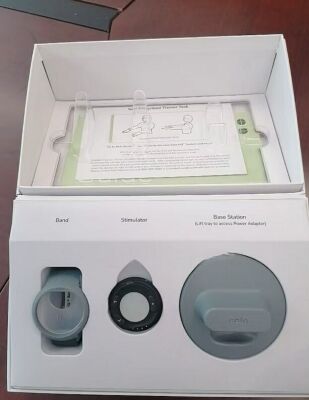
Medical device maintenance services have become a strategic priority for hospitals, clinics, diagnostic centers, and OEMs that depend on safe, available, and compliant medical equipment every day. In a world of aging populations, chronic diseases, and increasingly digital medical devices, a robust medical equipment maintenance strategy directly influences patient safety, regulatory compliance, financial performance, and the reputation of every healthcare provider.
Global Market Trends in Medical Device Maintenance Services
The global medical equipment maintenance market is expanding rapidly as healthcare organizations push to extend the life of expensive diagnostic, therapeutic, and monitoring devices while meeting strict regulatory requirements. Market research firms such as MarketsandMarkets and Fortune Business Insights estimate that global medical equipment maintenance spending is growing at close to double‑digit compound annual rates, with total market value expected to exceed one hundred billion US dollars before 2030. This growth reflects both the rising volume of installed devices and the increasing complexity of imaging, surgical, and life‑support systems.
Demand for medical device maintenance services is strongest in hospitals and ambulatory surgery centers, where a high patient throughput and a large installed base of imaging, monitoring, and surgical devices drive continuous use. Preventive maintenance and full‑service contracts now account for a significant share of spending, as providers prefer predictable, contract‑based maintenance costs over unplanned corrective repair events that lead to downtime. At the same time, third‑party maintenance providers and in‑house biomedical engineering teams are gaining share alongside OEM service contracts, especially where cost optimization and flexibility are strategic priorities.
Types of Medical Device Maintenance Services and Service Models
Medical device maintenance services typically include three core categories: preventive maintenance, corrective maintenance, and predictive or condition‑based maintenance. Preventive maintenance involves scheduled inspections, cleaning, calibration, functional checks, software updates, and replacement of wear components before failure. Corrective maintenance covers repair activities performed after a medical device fails, generates an error, or falls out of specification. Predictive maintenance uses real‑time data, sensors, and analytics to anticipate failures and schedule service activities only when needed, reducing unnecessary downtime and service costs.
Service delivery models vary from original equipment manufacturer service contracts to independent service organizations and fully in‑house biomedical engineering departments. OEM contracts often bundle remote monitoring, proprietary software updates, and guaranteed parts availability, which can be attractive for critical imaging systems and high‑end surgical robots. Third‑party maintenance providers may offer multi‑vendor service coverage across imaging, lab analyzers, and patient monitors, simplifying vendor management and lowering total cost of ownership. In‑house maintenance teams provide rapid response for basic repairs, routine preventive tasks, and simple troubleshooting, while outsourcing complex work to OEMs or specialized service partners.
Regulatory Framework and Compliance for Medical Equipment Maintenance
Regulation strongly shapes how medical device maintenance services are planned, documented, and audited. In the United States, the Food and Drug Administration oversees medical devices across their entire lifecycle, from premarket approval to postmarket surveillance and reporting. While the FDA focuses more on manufacturers than operators, providers must still maintain devices according to manufacturer instructions, manage risks, and document maintenance activities to support inspections and investigations. Some devices are subject to specific performance and safety standards that require periodic inspection and testing.
In Europe, the EU Medical Device Regulation places explicit emphasis on risk management, lifecycle support, and post‑market surveillance of medical devices. Manufacturers are required to specify maintenance strategies, calibration intervals, and performance verification requirements in their instructions for use. Healthcare organizations operating under these frameworks must follow the manufacturer’s recommended maintenance procedures, use qualified personnel, and document maintenance and repair activities as part of their quality management and risk control processes. Failure to comply can lead to non‑conformities, fines, and even withdrawal of devices from service.
Best Practices in Medical Device Maintenance Management
Effective medical device maintenance services start with a complete and accurate inventory of all medical assets, including unique identifiers, locations, risk classifications, usage patterns, and service histories. With this foundation, healthcare providers can implement risk‑based maintenance strategies that prioritize high‑criticality devices such as ventilators, defibrillators, anesthesia machines, and infusion pumps, where failure can directly impact patient safety. Lower‑risk devices may follow less intensive maintenance schedules, allowing resources to be focused where they matter most.
Maintenance best practices emphasize clear procedures and robust documentation. Every piece of equipment should have a maintenance plan that defines inspection frequency, testing procedures, calibration guidelines, cleaning protocols, spare parts, and acceptance criteria. Service logs should capture the date, technician, actions performed, parts used, test results, and final status. Facilities that adopt computerized maintenance management systems or medical asset management platforms can schedule work orders, track compliance with preventive maintenance schedules, and quickly produce reports for auditors and regulators.
Core Technologies Enabling Modern Medical Equipment Maintenance
Modern medical device maintenance services rely heavily on digital technologies, connectivity, and data analytics. Remote monitoring and telemetry allow OEMs and third‑party service providers to access device status, error logs, utilization patterns, and performance metrics in real time. With this information, service teams can troubleshoot issues remotely, push software updates, and proactively schedule site visits only when they add value, thereby reducing response times and operational disruption.
Predictive maintenance and AI‑driven analytics are transforming how medical equipment maintenance services operate. By applying machine learning models to device sensor data, log files, and historical failure records, service providers can identify patterns that precede failures and recommend early interventions. This approach helps hospitals reduce unplanned downtime, optimize spare parts inventories, and prolong the useful life of high‑value assets. In parallel, digital twin models for complex imaging systems, infusion pumps, or lab analyzers simulate device behavior under different conditions and support root‑cause analysis of chronic faults.
Typical Scope of Medical Device Maintenance Service Offerings
Medical device maintenance service packages often include initial asset assessments, installation support, commissioning, and acceptance testing to ensure new devices operate correctly from day one. Ongoing services range from routine preventive maintenance visits and functional checks to emergency on‑site interventions, remote diagnostics, and firmware or software updates. Some providers include user training and operator coaching in their service programs to reduce user‑related errors and improve day‑to‑day care of devices.
Specific medical device maintenance services may be tailored to imaging systems, patient monitoring platforms, laboratory instruments, dialysis machines, sterilizers, and surgical equipment. Imaging maintenance services, for example, cover tube replacements, detector calibration, system re‑alignment, software patches, and image quality testing for MRI, CT, digital radiography, and ultrasound systems. Surgical instrument and endoscope maintenance includes sharpening, alignment, leak testing, cleaning verification, and refurbishment to preserve performance and prevent infection risk.
Service Level Agreements, Uptime Guarantees, and Response Times
Service level agreements sit at the core of every medical device maintenance contract and define expectations between healthcare providers and service partners. Typical SLAs specify guaranteed response times for critical failures, maximum allowed downtime per device category, coverage hours, spare parts availability, and escalation paths. Facilities operating busy emergency departments or intensive care units often require faster response times and extended coverage hours to sustain continuous operations.
High‑quality medical equipment maintenance services not only respond quickly when devices fail but also ensure that repairs are effective and durable. First‑time fix rates, mean time between failures, and mean time to repair are essential key performance indicators used to evaluate service performance. When service providers combine strong SLAs with predictive analytics and remote support, they can consistently maintain high uptime levels, which directly supports better patient throughput, higher revenue, and improved staff satisfaction.
Cost Optimization and Total Cost of Ownership for Medical Devices
Medical device maintenance is a significant contributor to the total cost of ownership for imaging systems, lab analyzers, monitoring networks, and surgical platforms. Equipment acquisition costs are often highly visible, but maintenance, repairs, training, software upgrades, and spare parts add up over the life of each device and can even surpass initial capital expenditure. An effective maintenance strategy balances cost control with safety, reliability, and regulatory compliance.
Healthcare organizations use a variety of strategies to optimize service spending without compromising patient care. Multi‑vendor service contracts, tiered maintenance approaches that combine in‑house technicians with specialized external partners, and risk‑based maintenance schedules all reduce unnecessary interventions. Advanced analytics can reveal underutilized assets, helping facilities redistribute devices, avoid redundant purchases, and retire equipment that costs more to maintain than it delivers in clinical value. Life‑cycle planning also includes end‑of‑life decisions, asset replacement strategies, and evaluation of refurbished versus new equipment options.
Role of In‑House Biomedical Engineering and Clinical Engineering Teams
In‑house biomedical engineering departments form the backbone of medical device maintenance services in many hospitals and health systems. These teams manage day‑to‑day trouble tickets, handle basic repairs, perform routine preventive maintenance tasks, and coordinate vendor visits. They also partner closely with clinical staff to address device use issues, conduct acceptance testing for new equipment, and manage configuration changes or device integrations.
Clinical engineering specialists increasingly act as internal consultants on technology evaluation and procurement decisions. They assess total cost of ownership, maintenance needs, cybersecurity requirements, and integration with existing infrastructure. By combining technical knowledge with an understanding of clinical workflows, they help ensure that maintenance strategies support both patient safety and clinician efficiency. Ongoing professional development, certification, and training are essential for these teams, especially as devices become more connected and software‑driven.
OEM Service vs Third‑Party Medical Device Maintenance Providers
Choosing between original equipment manufacturer service and independent or third‑party maintenance is a critical strategic decision. OEM service programs offer direct access to proprietary parts, specialized tools, and manufacturer‑trained technicians, which can be crucial for complex devices such as MRI scanners, CT systems, and robotic surgery platforms. Manufacturers often bundle extended warranties, remote monitoring, and software upgrades into service packages that align closely with product roadmaps.
Third‑party medical device maintenance providers, however, frequently deliver cost advantages, vendor neutrality, and flexible contract structures. They can support mixed device fleets spanning multiple manufacturers and often simplify contract management under a single service umbrella. In addition, some independent service providers specialize in niche areas such as anesthesia machines, sterilization equipment, or patient monitoring networks, offering deep expertise at competitive rates. Healthcare organizations often adopt a hybrid strategy, combining OEM coverage for the most sophisticated assets with third‑party support for more standardized equipment.
Digital Asset Management and CMMS for Medical Device Maintenance
Computerized maintenance management systems are now foundational for managing medical equipment maintenance activities in a structured and compliant way. These platforms centralize asset inventories, maintenance schedules, work orders, technician assignments, and service histories. By digitizing maintenance workflows, CMMS solutions reduce paperwork, improve data accuracy, and provide real‑time visibility into the status of devices across departments and facilities.
Integration between CMMS platforms and clinical systems, such as electronic health records and hospital information systems, can further enhance visibility and coordination. For example, when a device is flagged as out of service in the CMMS, clinical systems can prevent its selection for patient procedures, reducing risk. Some CMMS and asset management tools now incorporate barcode or RFID tagging to streamline asset tracking, check‑in and check‑out processes, and location updates, which helps technicians quickly find equipment that needs maintenance.
Infection Control and Sterilization in Medical Equipment Maintenance
Infection prevention is closely tied to proper maintenance of reusable medical devices, from surgical instruments to endoscopes and patient monitors. Medical device maintenance services in these areas focus on cleaning validation, sterilization cycle verification, leak testing, and integrity checks for seals, hinges, and tubing. Any lapse in cleaning or disinfection processes can lead to contamination and healthcare‑associated infections, making maintenance of sterilizers and washer‑disinfectors a top priority.
Routine inspection of sterilization equipment involves verifying temperature, pressure, and exposure time, as well as biological and chemical indicator monitoring. Maintenance teams must ensure that sterilization cycles run correctly, seals and gaskets are intact, and instruments are loaded according to manufacturers’ instructions. These practices go hand in hand with staff training on decontamination workflows, handling of contaminated instruments, and safe storage of sterile goods.
Cybersecurity and Software Maintenance for Connected Medical Devices
Connected medical devices, from infusion pumps and ventilators to imaging systems and bedside monitors, introduce cybersecurity considerations into medical equipment maintenance services. Software and firmware updates, operating system patches, password policies, and network configurations all fall under an expanded maintenance scope that blends clinical engineering and IT security. Neglecting cybersecurity maintenance can expose hospitals to ransomware, data breaches, and operational disruption.
Best practices include maintaining a detailed software bill of materials, tracking patch levels, segmenting medical device networks, and applying upgrades in a controlled change‑management process. Maintenance teams must evaluate patches for their impact on device performance and safety before implementation, particularly for life‑supporting or high‑risk devices. Collaboration between vendors, clinical engineers, and cybersecurity specialists is essential to balance security with clinical uptime and regulatory expectations.
Real‑World Examples and ROI from Medical Device Maintenance Programs
Healthcare organizations that invest in comprehensive medical device maintenance services consistently report quantifiable improvements in uptime, patient throughput, and cost control. For example, a multi‑site hospital network implementing predictive maintenance on imaging devices may reduce unplanned downtime by more than twenty percent, leading to fewer cancelled scans and higher daily exam volumes. The same program could shift repair activities from emergency calls to scheduled visits, cutting overtime and after‑hours service premiums.
In another scenario, a mid‑sized regional hospital that centralizes maintenance data in a single asset management system often discovers underutilized devices in some departments and over‑stressed equipment in others. By rebalancing the device fleet and adjusting maintenance schedules, the hospital can avoid premature replacements and make more informed capital planning decisions. Over a five‑year period, such initiatives can deliver a strong return on investment, measured in reduced service costs, fewer disruptions to clinical services, and improved compliance metrics during inspections.
Founded in 2010, HHG GROUP LTD is a comprehensive platform dedicated to supporting the global medical industry by connecting clinics, suppliers, technicians, and service providers for both new and used medical equipment. Through secure transactions, transparent processes, and broad industry reach, it helps organizations find the right medical devices, maintenance services, and partners to support sustainable growth and reliable care delivery.
Medical Device Maintenance Services by Care Setting and Device Category
Different clinical environments and device categories require tailored medical equipment maintenance strategies. In acute care hospitals, critical care units rely on continuous availability of ventilators, infusion pumps, monitors, and defibrillators, making high‑frequency preventive maintenance and rapid response repair a priority. Operating rooms and hybrid ORs focus on surgical lights, tables, anesthesia machines, electrosurgical units, and robotic systems, where downtime directly translates into rescheduled procedures and extended patient wait times.
Diagnostic imaging departments manage sophisticated MRI, CT, PET, ultrasound, and X‑ray systems that demand specialized calibration, quality control testing, and software maintenance. Outpatient clinics and ambulatory surgery centers often operate smaller, more agile device fleets, but still benefit from standardized maintenance schedules and centralized asset tracking. Laboratories require stringent calibration and verification for analyzers, centrifuges, incubators, and sample transport systems to ensure test accuracy and compliance with accreditation standards.
Competitor Comparison Factors in Medical Equipment Maintenance Services
When healthcare providers evaluate medical device maintenance services, they compare competing offerings across several key dimensions. Cost remains a major consideration, including contract fees, spare parts pricing, and surcharges for after‑hours service. Service quality indicators such as response time, first‑time fix rates, technician qualifications, and customer satisfaction scores heavily influence purchasing decisions and contract renewals.
Other important factors include multi‑vendor support capabilities, geographic coverage, remote monitoring options, and the depth of analytics reporting. Some service providers stand out with advanced digital platforms, self‑service portals, and detailed performance dashboards. Others differentiate through specialized expertise in particular device categories or highly flexible contract terms, allowing clients to adjust coverage as their device fleet evolves. Aligning these features with organizational objectives ensures that service contracts truly support strategic goals.
Training, Change Management, and Culture in Maintenance Programs
Sustainable medical device maintenance programs depend on trained staff and a culture that values equipment care. Clinical users play a significant role in daily device handling, basic cleaning, and prompt reporting of issues, while maintenance teams provide guidance on proper use, simple troubleshooting steps, and early warning signs of potential failures. Regular training sessions, quick guides, and embedding maintenance reminders into clinical workflows all support better equipment stewardship.
Change management is equally important when implementing new maintenance processes, asset management tools, or service partnerships. Leaders must communicate the rationale for changes, involve key stakeholders from clinical, technical, and administrative departments, and set clear expectations for roles and responsibilities. Celebrating early successes, such as reduced downtime or improved inspection scores, helps build momentum and reinforce new behaviors.
Future Trends in Medical Device Maintenance Services
Several trends are shaping the next decade of medical device maintenance services. The first is a shift toward more integrated, outcome‑based service models where providers and vendors share responsibility for device uptime, performance, and even clinical outcomes tied to specific equipment. Contracts may evolve from simple time‑and‑materials or fixed‑fee arrangements to agreements linked to availability targets, patient volumes, or quality metrics.
Another trend is the continued rise of remote and virtual service. As devices become more connected, a greater share of diagnostics, configuration adjustments, and software updates will occur without on‑site visits, reducing travel time and accelerating resolution. Augmented reality and remote assistance tools will allow field technicians to receive expert guidance in real time, improving efficiency and enabling less experienced staff to handle complex procedures under supervision. Combined with AI‑driven predictive models and comprehensive lifecycle planning, these trends point toward more resilient, efficient, and data‑driven maintenance strategies.
Frequently Asked Questions About Medical Device Maintenance Services
How often should medical devices receive preventive maintenance?
Maintenance frequency depends on the device type, manufacturer recommendations, regulatory requirements, and usage intensity, but many critical devices undergo at least annual inspections and more frequent checks in high‑use settings.
Who is responsible for medical equipment maintenance in a healthcare facility?
Responsibility is shared between clinical staff, in‑house biomedical or clinical engineering teams, and external service providers, all working under the organization’s quality management and safety policies.
What documentation is required for medical device maintenance?
Facilities should maintain detailed records of inspections, tests, repairs, calibrations, and software updates, including dates, technicians, findings, and outcomes, to support audits, investigations, and regulatory compliance.
Can third‑party service providers maintain all types of medical devices?
Many third‑party providers can service a broad range of devices, but highly specialized systems or devices under strict warranty conditions may still require OEM service or cooperation between OEMs and independent technicians.
How does medical device maintenance impact patient safety?
Well‑maintained devices deliver accurate, reliable performance, reducing the risk of diagnostic errors, treatment delays, and equipment‑related incidents, which in turn enhances patient safety and clinical outcomes.
Conversion‑Focused Steps for Optimizing Medical Device Maintenance Services
Healthcare leaders who want to strengthen their medical device maintenance services can begin by assessing the current state of their asset inventory, service contracts, and downtime patterns. Engaging internal stakeholders from clinical, technical, and financial teams helps clarify pain points such as frequent breakdowns, inconsistent maintenance documentation, or unpredictable service costs. With this understanding, organizations can define clear objectives for uptime, compliance, and cost optimization.
The next step is to evaluate potential service models and partners, from OEM programs to multi‑vendor providers and hybrid strategies that leverage in‑house strengths. Decision‑makers should compare offerings across coverage scope, SLAs, digital capabilities, reporting, and long‑term flexibility, selecting a structure that aligns with their technology roadmap and care delivery strategy. Finally, implementing modern asset management tools, training staff, and tracking key performance indicators over time will ensure that the chosen maintenance approach continues to deliver measurable improvements in reliability, safety, and financial performance.
Part of the Medical Equipment Maintenance & Service guide.
Related articles
Secure Medical Equipment Procurement Strategies for Risk-Free Healthcare SupplyHotMedical equipment lifecycle management for safer, smarter healthcareHot Global Healthcare Equipment Exchange: The New Backbone Of Medical Device Access And SustainabilityHot
 Diagnostic and Therapeutic Devices in Modern Healthcare: Market, Technology, and Future OutlookHot