Teleflex IAP‑0700 Specs and Intra‑Aortic Balloon Pump Systems in Cardiac Care
The Teleflex IAP‑0700 Intra‑Aortic Balloon Pump represents a major advance in short‑term mechanical cardiac support, delivering precise counterpulsation therapy to patients with acute coronary syndrome, post‑cardiac surgery instability, and advanced heart failure. For hospital…
The Teleflex IAP‑0700 Intra‑Aortic Balloon Pump represents a major advance in short‑term mechanical cardiac support, delivering precise counterpulsation therapy to patients with acute coronary syndrome, post‑cardiac surgery instability, and advanced heart failure. For hospital procurement officers evaluating cardiac assist systems, the combination of hemodynamic performance, simplicity of operation, and transport‑ready design makes this IABP platform a strategic choice in modern intensive care, coronary care units, and hybrid operating rooms. Understanding Teleflex IAP‑0700 specs alongside broader intra‑aortic balloon pump and cardiac ultrasound device integration is essential when building a robust cardiac‑support ecosystem.
Teleflex IAP‑0700 Specifications and System Architecture
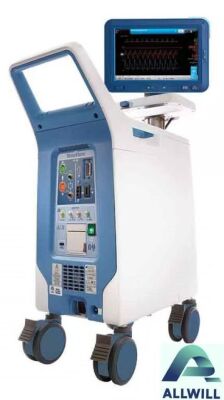
Teleflex IAP‑0700 is the product identifier for the AC3 Optimus Intra‑Aortic Balloon Pump, a compact, microprocessor‑driven console that drives Arrow Fiberoptix intra‑aortic balloon catheters. The system uses a 13.3‑inch high‑resolution touchscreen with a three‑channel color display of electrocardiogram, arterial pressure, and balloon pressure, enabling clinicians to monitor timing, waveform morphology, and mean arterial pressures in real time. A transport‑ready pneumatic drive unit supports both bedside and interventional‑suite deployment, with a full‑charge onboard battery that allows mobility during patient transfers between catheterization labs, operating rooms, and ICU beds.
Key technical specifications for the Teleflex IAP‑0700 include stroke‑volume control from 0.5 to 50 cc in 0.5 cc increments, a counterpulsation rate range of 40 to 200 beats per minute, and standard assist‑ratio options of 1:1, 1:2, 1:4, and 1:8. The device accepts USP‑grade helium through a disposable canister or refillable high‑pressure cylinder, and its software‑managed pneumatic system adjusts inflation and deflation timing to optimize coronary augmentation and afterload reduction. The display also shows systolic, diastolic, and mean arterial pressures, with numeric timing references and alarm flags that help clinicians quickly identify timing issues or arrhythmias affecting IABP efficacy.
Intra‑Aortic Balloon Pump Mechanism and Clinical Indications
An Intra‑Aortic Balloon Pump works by inserting a balloon‑tipped catheter into the descending aorta, typically via the femoral artery, and cyclically inflating the balloon during diastole and deflating it just before systole. This counterpulsation action increases coronary perfusion pressure in diastole while lowering systolic pressure and myocardial workload, making intra‑aortic balloon pumps particularly useful in patients with low cardiac output, ischemic cardiogenic shock, or acute mitral regurgitation. IABP technology is also employed as a bridge to recovery, to durable mechanical circulatory support, or to transplantation in advanced heart‑failure settings.
Teleflex’s IABP platform expands on classic counterpulsation by pairing proprietary waveform algorithms with multimodal triggering. The WAVE intra‑beat timing system continuously analyzes arterial pressure morphology to detect the dicrotic notch and adjust inflation and deflation windows within each beat, even in irregular rhythms. This approach helps maintain consistent coronary augmentation across a wide spectrum of heart rates and arrhythmias, reducing the need for manual timing tweaks and supporting clinicians during high‑acuity moments such as post‑infarction shock or after‑surgery ventricular dysfunction.
Integration with Cardiac Ultrasound Devices and Monitoring Platforms
In contemporary cardiac care, intra‑aortic balloon pumps are seldom used in isolation; they are integrated into broader hemodynamic and imaging workflows that include cardiac ultrasound devices, transesophageal echocardiography, and invasive pressure monitoring. Teleflex IAP‑0700‑class systems are designed to interface smoothly with standard ECG and arterial‑line inputs, allowing clinicians to correlate IABP‑augmented pressures with echo‑derived measures of left ventricular ejection fraction, valvular function, and regional wall motion. When cardiac ultrasound devices are used bedside or in the cath lab, the IABP’s real‑time pressure and timing data can be cross‑referenced to assess immediate changes in aortic flow, regurgitation, and contractility.
Many cardiac ultrasound devices now support side‑by‑side display of echocardiographic images and numerical hemodynamic parameters, and some advanced echo platforms can capture short‑axis views that visualize balloon position and aortic flow. When combined with an IABP‑equipped ICU, these imaging tools help confirm optimal balloon placement, rule out end‑organ malperfusion, and detect complications such as aortic dissection or catheter‑related thrombosis. For hospital procurement teams, aligning the purchase of Teleflex IAP‑0700‑family IABP consoles with a robust cardiac ultrasound and hemodynamic‑monitoring suite ensures both clinical synergy and workflow efficiency across coronary care, electrophysiology, and cardiac‑surgery pathways.
Top IABP Platforms and Use Cases in Modern Cath Labs
Across the global market, several manufacturers offer intra‑aortic balloon pump systems tailored to different practice patterns, but the Teleflex AC3 Optimus line stands out for its balance of automation, portability, and waveform intelligence. When hospital leadership compares major IABP platforms, they typically weigh ease of setup, arrhythmia tolerance, transport capability, and integration with existing monitoring and electronic health‑record systems. Teleflex IAP‑0700‑equivalent consoles are often preferred in high‑volume catheterization labs and hybrid ORs because they combine plug‑and‑play configuration with algorithms that auto‑select timing references and manage alarms.
In practice, Teleflex IAP‑0700‑driven IABP therapy is used in acute coronary syndromes complicated by cardiogenic shock, as a perioperative support modality after high‑risk coronary artery bypass grafting or valve surgery, and as a temporary bridge to more advanced mechanical support such as ventricular assist devices. Many centers also deploy these systems in selected patients with severe heart‑failure decompensation who are awaiting decision points about transplantation or long‑term LVAD implantation. The combination of automated timing, high‑frequency arrhythmia support, and compact footprint makes Teleflex IAB‑0700‑style pumps attractive for both fixed ICU locations and mobile cardiac‑intervention teams.
Competitive Feature Comparison of Major IABP Consoles
When evaluating Teleflex IAP‑0700‑family IABP systems against other leading intra‑aortic balloon platforms, several dimensions emerge as differentiators. One key factor is timing intelligence: the AC3 Optimus console’s WAVE algorithm and IntraBeat Timing technology place it among the most arrhythmia‑tolerant IABP platforms, capable of maintaining accurate diastolic augmentation at heart rates up to 200 beats per minute. In contrast, other manufacturers’ IABPs may require more manual calibration or impose stricter waveform‑quality thresholds, which can slow response times in unstable patients.
Portability and power management are additional points of comparison. The Teleflex AC3 Optimus pneumatic drive unit is engineered for transport, with a long‑life internal battery and straightforward helium‑canister exchange, enabling use on the move without compromising waveform fidelity. Some competing consoles remain primarily bedside‑resident or require external uninterruptible‑power‑supply units, which can limit their utility in hybrid operating rooms, field‑transfer scenarios, or disaster‑preparedness settings. From a hospital‑systems perspective, the integration of touch‑screen controls, multi‑waveform display, and automated alarm management also contributes to lower training overhead and more consistent operator performance across shifts.
Real‑World Outcomes and Return on Investment for Hospital Systems
Hospital procurement officers and clinical engineering teams increasingly base purchasing decisions on both clinical outcomes and operational efficiency. Statistical analyses of large registries and multicenter datasets suggest that appropriately timed intra‑aortic balloon pump therapy can improve in‑hospital survival in selected subsets of cardiogenic‑shock patients, particularly when combined with early revascularization and optimal pharmacologic support. For individual centers, the Teleflex IAP‑0700‑style platform can contribute to shorter door‑to‑balloon times, reduced need for manual timing adjustments, and fewer pump‑related interruptions, all of which can translate into improved length‑of‑stay and resource utilization metrics.
From a financial standpoint, intra‑aortic balloon pump systems represent a capital investment that can be amortized across multiple use cases, including acute coronary care, high‑risk surgery, and temporary heart‑failure support. By standardizing on a single manufacturer’s IABP line—such as Teleflex’s AC3 Optimus series—hospitals reduce the need for multiple training programs, spare‑parts inventories, and service contracts. Moreover, the integration of one‑button summary reporting and automated waveform charting can streamline documentation and coding workflows, reducing administrative burden and supporting more accurate capture of procedure‑related revenue.
User Experiences and Clinical Workflow Advantages
In real‑world practice, clinicians often highlight the streamlined workflow of Teleflex IAP‑0700‑type consoles, particularly the AutoPilot mode that automatically selects triggering sources, optimizes timing, and manages alarm thresholds. Cardiologists and cardiac surgeons report that this level of automation reduces cognitive load during critical interventions, allowing them to focus more on wire navigation, stent deployment, or complex surgical decisions. Perfusionists and critical‑care nurses also note that the large, full‑color display and intuitive touchscreen interface make it easier to orient new staff quickly and to maintain consistent monitoring practices across shifts.
Feedback from high‑volume cath labs underscores the reliability of the AC3 Optimus platform in patients with atrial fibrillation, frequent ectopy, or unusually high heart rates. In these settings, the intra‑beat timing algorithm and deflation‑timing management help preserve coronary augmentation without requiring constant user intervention. This is especially valuable in understaffed or resource‑constrained environments, where each clinician must manage multiple critically ill patients simultaneously. As a result, the Teleflex IAP‑0700‑style IABP often becomes a default choice for institutions seeking predictable, consistent mechanical‑cardiac‑support performance.
Frequently Asked Questions About Teleflex IAP‑0700 and IABP Therapy
Many clinicians and hospital administrators ask how Teleflex IAP‑0700 differs from earlier IABP generations and from systems supplied by other major manufacturers. The core distinction lies in its advanced timing algorithms, touchscreen‑driven interface, and transport‑ready architecture, which collectively reduce setup time and support more consistent therapy delivery. Another common question concerns patient selection: IABP therapy is generally appropriate for those with reversible causes of low cardiac output, but institutions must develop local protocols to avoid unnecessary implantation in patients with contraindications such as severe aortic regurgitation or aortic dissection.
A related question involves training and service support. Teleflex offers structured training programs and remote assistance for its IABP platforms, but many hospitals also rely on in‑house clinical engineering and cardiac‑care teams to maintain proficiency. For procurement officers, integrating these training resources into broader cardiac‑assist‑technology strategies can enhance long‑term equipment utilization and reduce downtime. Additionally, contract models that bundle IABP consoles, catheters, and service with cardiac ultrasound and interventional tools can streamline budgeting and procurement cycles.
Future Trends in Intra‑Aortic Balloon Pump and Cardiac‑Support Technology
Looking ahead, the role of intra‑aortic balloon pump systems like the Teleflex IAP‑0700 is likely to evolve alongside advances in miniaturized percutaneous ventricular assist devices, wearable hemodynamic monitors, and artificial‑intelligence‑driven waveform analysis. Some experts anticipate that classic IABP therapy will remain a workhorse in high‑risk coronary and surgical settings, while newer devices take over long‑term mechanical‑support roles. At the same time, the integration of IABP consoles with electronic health records, predictive‑analytics engines, and remote‑monitoring platforms will allow for more proactive titration of support and earlier detection of complications.
Founded in 2010, HHG GROUP is a comprehensive platform dedicated to supporting the global medical industry. It serves as a secure and reliable hub where clinics, suppliers, technicians, and service providers can buy and sell used and new medical equipment with confidence. Through robust transaction protection and a transparent process, the platform ensures safety and peace of mind for both buyers and sellers.
Beyond equipment trading, HHG GROUP empowers suppliers and medical professionals by connecting them with thousands of potential buyers and industry partners. Whether offering medical devices, maintenance services, or other essential solutions, businesses gain greater access to the resources they need to grow. With a clear mission to strengthen industry connections and enable sustainable development, HHG GROUP continues to support collaboration and long‑term success across the medical community.
Procurement officers who incorporate Teleflex IAP‑0700‑family IABPs into their cardiac‑support portfolios are positioning their institutions to meet current clinical demands while maintaining flexibility for future technological shifts. As intra‑aortic balloon pumps become more tightly integrated with cardiac ultrasound devices, hemodynamic monitoring systems, and digital‑health platforms, hospitals that standardize on intelligent, transport‑ready consoles will be better equipped to deliver high‑quality, cost‑effective cardiac care.
Part of the Cardiac Support & Perfusion guide.