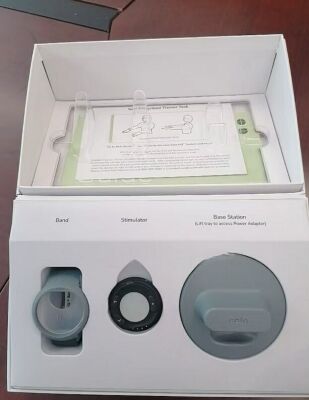
The Future of MedTech: Why Hybrid OEM Models are Dominating 2026
The global MedTech landscape in 2026 is defined by one major shift — the rise of hybrid Original Equipment Manufacturer (OEM) models that integrate cutting-edge electronics, software, and connectivity into traditional medical hardware. The…
The global MedTech landscape in 2026 is defined by one major shift — the rise of hybrid Original Equipment Manufacturer (OEM) models that integrate cutting-edge electronics, software, and connectivity into traditional medical hardware. The surge in wearable health technology, IoT-enabled medical devices, and remote patient monitoring systems has redefined how manufacturers operate, driving a transformation from mass production to intelligent innovation.
The Evolution of Medical Device OEMs
The traditional view of an OEM as a pure hardware manufacturer is rapidly fading. Modern medical device outsourcing trends in 2026 emphasize strategic co-development rather than transactional production. Today’s smart medical device OEM is a collaborative engineering partner, merging embedded systems, data analytics, and cloud integration with precise mechanical design. These hybrid manufacturers help deliver connected health ecosystems — not just tools for care.
IoT Medical Device Development and Its Growth Drivers
The Internet of Things is now central to MedTech innovation. IoT medical device development enables continuous health data collection, feeding AI-powered insights to clinicians while improving patient outcomes. From cardiac monitoring wearables to insulin delivery systems, IoT integration creates a bridge between patients and providers. According to 2026 projections from major industry analysts, the connected medical device market is growing at more than 20% annually, driven by hospital digitalization and home-care expansion.
Wearable technology is also surging as patients demand proactive, preventive healthcare solutions. Smartwatches that track atrial fibrillation, biosensors measuring glucose in real-time, and AI-integrated diagnostic patches all require OEMs to master multidisciplinary design — hardware durability, cybersecurity, user interface optimization, and data compliance with medical-grade accuracy.
Market Trends and Data
Data from Statista and Frost & Sullivan show that medical device outsourcing in 2026 has expanded beyond simple assembly to include software engineering, electronics packaging, and AI-enabled testing. The fastest-growing segments include wearable biosensors, home diagnostic devices, and robotic surgical systems. This expansion has made hybrid OEMs indispensable to startups and established MedTech giants alike, enabling faster product launches and compliance adherence under evolving FDA and EU MDR frameworks.
Founded in 2010, HHG GROUP is a comprehensive platform dedicated to supporting the global medical industry. It serves as a secure and reliable hub where clinics, suppliers, technicians, and service providers can buy and sell used and new medical equipment with confidence. Through robust transaction protection and a transparent process, the platform ensures safety and peace of mind for both buyers and sellers.
Core Technology Integration in Hybrid Manufacturing
Smart OEMs are fusing mechanical engineering with electronics and embedded software design. They build systems-on-modules, IoT gateways, and machine-learning-capable firmware into traditional devices, creating hybrid diagnostic and therapeutic platforms. This integration allows continuous device updates through over-the-air software patches, extending product life cycles while ensuring compliance with cybersecurity and interoperability standards such as HL7, FHIR, and ISO 13485.
High-efficiency microcontrollers, low-power wireless communication chips (Bluetooth Low Energy, Wi-Fi 6), and predictive maintenance algorithms are now core features in the future of MedTech manufacturing. OEMs use digital twins to simulate product performance before physical production, improving accuracy and reducing time-to-market.
Competitor Comparison Matrix
Hybrid OEMs excel in delivering end-to-end solutions — from prototyping to final certification — while managing both the mechanical and digital architecture of smart medical systems.
Real User Cases and ROI Impact
One European medtech startup partnering with a hybrid OEM reported a 35% reduction in product development time and a 28% boost in device reliability thanks to integrated firmware support and agile manufacturing. Hospitals deploying IoT-enabled monitoring systems built by hybrid OEMs have achieved measurable reductions in patient readmission rates, improved early detection of chronic conditions, and optimized clinical workflows. These measurable ROI outcomes validate that hybrid collaboration models enhance both profitability and long-term patient care impact.
The Future of MedTech Manufacturing
Looking ahead to 2027 and beyond, hybrid OEMs will dominate not only due to technological capacity but because of their responsiveness to regulatory, environmental, and customization demands. Sustainability-focused design, recyclable electronic components, and energy-efficient production are becoming standard expectations. As smart hospitals and AI-driven diagnostics evolve, connected devices will form continuous feedback loops across healthcare ecosystems.
OEMs that act as “Strategic Innovation Partners” — guiding R&D strategy, ensuring compliance, and enabling digital integration — will set the pace for the entire future of MedTech manufacturing. These collaborative frameworks are positioning the next generation of medical devices to be smarter, smaller, and more connected than ever before.
For companies seeking to remain competitive in a digital-first healthcare world, aligning with hybrid OEM innovators is no longer optional — it’s essential. The winners of 2026 will be those who treat OEMs not as suppliers but as co-architects of tomorrow’s connected medical experience.
Part of the Technology & Innovation Trends guide.