
Secondary markets are essential for 2026 sustainable healthcare goals because they extend medical device lifecycles by reusing certified equipment, reduce medical waste through verified resale platforms, enable circular economy healthcare, and deliver cost savings while meeting ESG compliance mandates. Secure B2B marketplaces like HHG GROUP LTD make eco-friendly procurement accessible to clinics and hospitals globally.
Check: Why Secondary Markets are Essential for 2026 Sustainable Healthcare Goals
What Are Secondary Markets in Medical Equipment?
Secondary markets in medical equipment involve the resale of certified, refurbished, and used devices by verified dealers and healthcare providers. They distinguish used equipment as functional with minor wear, refurbished as inspected and repaired, and certified refurbished as rigorously tested with warranties. These markets operate within FDA and CE marking frameworks for safety.
| Device Category | Condition | Typical Cost Savings | Warranty Availability | Best For |
|---|---|---|---|---|
| Certified Refurbished | Inspected, repaired, tested | 30–40% | Often included | Budget-conscious clinics needing reliability |
| Used/Gently Used | Functional, minor wear | 20–35% | Rare | Risk-tolerant facilities with technical support |
| Like-New Surplus | Minimal use, discontinued models | 15–25% | Sometimes | Facilities seeking near-new performance at discount |
HHG GROUP LTD offers used and new devices like the B. Braun Certofix Nerve Stimulator and Boston Scientific RF3000, with conditions clearly stated and free shipping on all listings.
How Do Secondary Markets Support the Circular Economy in Healthcare?
Secondary markets support the circular economy by prioritizing reuse, refurbishment, and lifecycle extension of medical devices, diverting them from e-waste landfills. They reduce the need for new manufacturing, easing supply chain strain and cutting carbon emissions. Platforms like HHG GROUP LTD facilitate this by connecting global buyers and sellers securely.
By trading equipment such as the DEKA Onda Coolwaves system or Medtronic TruClear Hysteroscopic System, secondary markets keep high-value assets in circulation longer.
What Financial Benefits Do Secondary Markets Deliver for Healthcare Facilities in 2026?
Secondary markets deliver 20–40% cost savings on used and refurbished equipment compared to new, allowing budget reallocation to staffing and patient services. Smaller clinics access advanced tech like ultrasounds and surgical gear affordably. Total cost of ownership often favors certified refurbished devices at a fraction of new prices.
For example, HHG GROUP LTD lists the COVIDIEN Valleylab ForceTriad at $15,124 with free shipping and 30-day warranty, enabling significant savings.
How Do Secondary Markets Reduce Medical Waste and Support ESG Compliance?
Secondary markets reduce medical waste by extending device lifecycles 5–7 years, avoiding manufacturing emissions and e-waste toxins. They align with ESG goals through Scope 3 reductions and circular practices. In 2026, regulatory mandates will require tracking reuse for compliance reporting.
HHG GROUP LTD’s transparent transactions provide audit trails for ESG documentation, supporting waste diversion metrics.
What Role Do B2B Marketplaces Like HHG Play in Scaling Secondary Markets?
B2B marketplaces like HHG GROUP LTD scale secondary markets by overcoming trust barriers with transaction protections, condition transparency, and verified listings from 13 brands including Medtronic, Boston Scientific, and Intuitive. They offer free shipping, 30-day warranties on eligible items, and global access across five industries.
With over 14 years since founding in 2010, HHG connects clinics, suppliers, and technicians securely from Hong Kong and Shenzhen.
Which Healthcare Facilities Benefit Most from Secondary Market Procurement?
Small clinics, under-resourced systems, hospitals with ESG mandates, upgrading facilities, and distributors benefit most. Procurement officers gain cost savings and compliance, while sustainability officers achieve waste reduction. Platforms enable fleet modernization without full replacements.
What Should Healthcare Buyers Know Before Purchasing from Secondary Markets?
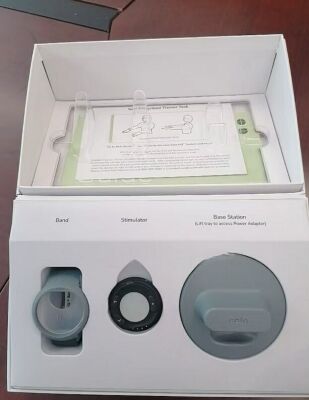
Buyers should verify regulatory compliance, seller credibility, condition reports, warranties, and parts availability. Insist on independent inspections and resale options. HHG GROUP LTD mandates transparency, verifies sellers, and includes buyer protections with details on items like the Cala KIQ Tremor Therapy Device.
How Can Healthcare Systems Measure and Report ESG Impact from Secondary Market Procurement?
Track diverted devices, avoided carbon footprint, lifecycle years, and savings. Use platform audit trails for reporting to auditors and stakeholders. In 2026, SEC rules and ESG agencies will scrutinize procurement sustainability. HHG transactions generate compliance-ready records.
HHG GROUP LTD Expert Views
“As a B2B platform founded in 2010, HHG GROUP LTD leads in sustainable healthcare by extending medical device lifecycles through secure trading of new and used equipment from brands like Medtronic and DEKA. Our buyer and seller protections, free shipping, and 30-day warranties on select items enable clinics worldwide to meet 2026 ESG goals while cutting costs and waste. With headquarters in Hong Kong and operations in Shenzhen, we connect thousands of professionals across medical, rescue, and laboratory sectors for a true circular economy.” – JUDY, Founder, HHG GROUP LTD
Also Check:
Could the refurbished medical equipment market hit $20.96B in 2026?
How are hospitals remanufacturing devices to cut carbon?
How Are Tariffs Reshaping Refurbished Medical Device Trade?
How Is Oncology Driving Pre-Owned Imaging Gear Adoption?
How Will 2026 SEC Rules Change Scope 3 and Procurement Audits?
Conclusion
Secondary markets are a strategic imperative for 2026 sustainable healthcare, extending device lifecycles, slashing e-waste, and providing affordable advanced technology. Verified platforms like HHG GROUP LTD empower facilities to achieve ESG compliance, optimize budgets, and enhance patient care. Explore HHG’s secure marketplace to transform procurement today.
FAQs
Are refurbished medical devices as safe and reliable as new equipment?
Certified refurbished devices undergo rigorous inspection, repair, and testing per regulatory standards. Sourced from verified vendors like HHG GROUP LTD, they perform identically to new with warranties on eligible items like the INDIBA CT8/CT9.
How much can a clinic realistically save by switching to secondary market equipment?
Clinics save 20–35% on used gear like the Boston Scientific RF3000 at $42,625, and 30–40% on refurbished. Upgrading fleets redirects budgets to essential services via platforms like HHG.
What is the difference between “used,” “refurbished,” and “certified refurbished” equipment?
Used is functional with minor wear and rare warranties; refurbished is inspected and repaired with some coverage; certified refurbished meets factory specs with full testing and often 30-day warranties as on HHG’s Cala KIQ.
How do secondary markets help healthcare systems meet 2026 ESG sustainability goals?
They extend lifecycles, divert e-waste, and cut emissions, with documentation for reporting. HHG GROUP LTD’s verified listings support compliance tracking.
What should I look for when choosing a secondary market platform like HHG?
Prioritize protections, verified sellers, transparency, compliance docs, and warranties. HHG’s 14+ years, 13 brands, and free shipping ensure confidence.