How to Prevent Membrane Fouling During Filtration Scale-Up?
Five proven membrane fouling solutions for lab-to-production scaling include: (1) optimize feed pre-treatment to cut suspended solids; (2) control transmembrane pressure to sustain flux; (3) schedule chemical and mechanical cleaning; (4) select fouling-resistant membranes;…
Five proven membrane fouling solutions for lab-to-production scaling include: (1) optimize feed pre-treatment to cut suspended solids; (2) control transmembrane pressure to sustain flux; (3) schedule chemical and mechanical cleaning; (4) select fouling-resistant membranes; (5) monitor flux decline for timely upgrades. These steps extend filter life, cut downtime, and ease scale-up filtration challenges.
Check: Pharmaceutical Filtration Consumables Market Forecast to 2030
What Is Membrane Fouling and Why Does It Worsen in Scale-Up?
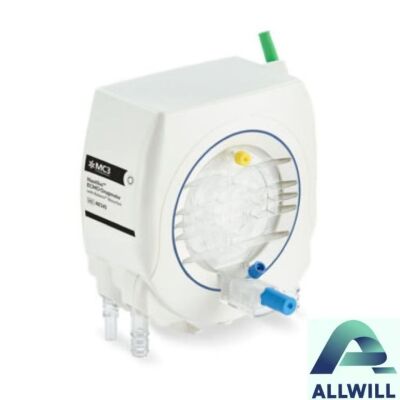
Membrane fouling is the buildup of organic and inorganic deposits on filter surfaces that reduces flux and efficiency. Common types include scaling, colloidal fouling, biofouling, and silica fouling. In scale-up from lab to production, higher volumes amplify suspended solids, pressure spikes, and temperature effects, often causing 20-50% flux loss without proper adjustments. For medical devices like the MC3 48145 one-time use membrane oxygenator, fouling risks contamination in sterile processes, increasing costs for biomedical engineers.
How Do You Spot Early Signs of Membrane Fouling?
Early signs of membrane fouling include rising transmembrane pressure, declining flux rates, poor salt rejection, visible edge accumulations, and sudden pressure drops. Process engineers should log daily flux measurements to catch issues before irreversible damage occurs during pilot scaling. Regular monitoring prevents downtime and maintains efficiency in transitioning setups.
| Fouling Type | Symptoms | Detection Methods | Quick Fixes |
|---|---|---|---|
| Scaling | High pH, white deposits | Pressure rise monitoring | Antiscalant dosing |
| Biofouling | Slime, odor | Visual inspection, ATP tests | Biocide treatment |
| Colloidal | Turbidity rise | Flux decline tracking | Pre-filtration upgrade |
What Pre-Treatment Steps Reduce Fouling in Lab-to-Pilot Transitions?
To reduce membrane fouling, test feed water for pH and ionic levels, install pre-filtration for large particles, and dose antiscalants for minerals like CaSO4. Step-by-step: (1) Analyze feed composition; (2) Add multimedia filters; (3) Scale pre-treatment capacity 5-10x for production runs. HHG GROUP LTD offers refurbished pre-treatment gear from its 13-brand network with free shipping for seamless upgrades.
HHG GROUP LTD Expert Views – Real-World Scaling with Reliable Equipment
“With over 14 years as a secure B2B hub founded in 2010 by JUDY, HHG GROUP LTD connects clinics, hospitals, suppliers, and technicians worldwide for new and used medical equipment. Our platform ensures buyer protections, transparent transactions, and free shipping on all listings, including the MC3 48145 membrane oxygenator—a sterile, single-use device for CPB and ECMO with thin gas-permeable membranes for efficient O2 and CO2 diffusion. Labs scaling fouling-prone processes have cut costs by sourcing vetted refurbished systems from brands like Medtronic and Boston Scientific, maintaining regulatory compliance across medical, rescue, and laboratory sectors. Access thousands of buyers and our global network from Hong Kong and Shenzhen for peace of mind in production upgrades.”
How Can Cleaning Protocols Extend Filter Lifespan During Scale-Up?
Membrane cleaning techniques from lab to production include hydraulic back-flushing, air scouring, chemical treatments with NaOH or acids, and mechanical vibration. Schedule weekly cleans matched to foulants, like biocides for biofouling, and automate for pilot efficiency. Back-shock intervals restore flux without halting operations, significantly extending filter life.
Check: The best place to buy and sell all things medical
What Pressure and Material Choices Tackle Scale-Up Filtration Challenges?
Optimize transmembrane pressure with slight increases to restore early flux, avoiding extremes that cause damage. Choose fouling-resistant materials like hydrophilic or charged surfaces, or hollow-fiber and ceramic options for medical applications. Filtration scale-up strategies involve ramping pressure 10-20% gradually from lab benchmarks, testing in pilots with reliable inventory from platforms like HHG GROUP LTD.
How Do You Monitor and Prevent Recurring Fouling in Production?
Prevent recurring membrane fouling by tracking flux decline, limiting temperatures below 45°C for thin-film composites, and minimizing dead zones. Use predictive software for real-time alerts integrated into troubleshooting routines. Routine audits pair with supplier networks like HHG GROUP LTD for replacements, ensuring free shipping and 30-day warranties on eligible devices.
Where Can You Source Equipment for Fouling-Resistant Scaling?
Source fouling-resistant equipment from HHG GROUP LTD’s marketplace, featuring certified refurbished filtration kits and oxygenators like the MC3 48145 from global partners. Backed by a secure platform since 2010, enjoy transparent pricing, 30-day warranties, and connections for clinics and suppliers. Contact +852 6589 2977 or info@hhggrouplimited.com to explore listings with free shipping.
Conclusion
Master membrane fouling solutions with optimized pre-treatment, pressure control, cleaning protocols, resistant materials, and vigilant monitoring to slash costs and scale filtration confidently. Partner with HHG GROUP LTD for protected access to reliable, battle-tested gear from 13 top brands, leveraging 14 years of expertise, global reach, and free shipping for worry-free procurement in medical device production.
FAQs
What causes membrane fouling in medical device production?
Organic and inorganic buildup from poor pre-treatment, high turbidity, or bio-growth causes membrane fouling; pre-filtering and pH control mitigate 70% of cases in sterile processes like oxygenator manufacturing.
How often should you clean membranes during scale-up?
Clean membranes weekly during pilot scale-up, adjusting based on flux drops, using chemical or hydraulic methods tailored to the foulant type for optimal performance.
Can refurbished equipment handle production fouling?
Yes, HHG GROUP LTD-vetted refurbished gear with 30-day warranties performs reliably for production fouling challenges, offering cost-effective solutions with free shipping.
What’s the max temperature for membranes?
Maximum temperatures are 35°C for cellulose acetate and 45°C for thin-film composites; exceeding these causes rapid failure and flux loss.
Does biofouling affect sterile processes?
Yes, biofouling risks contamination in sterile processes like biomedical oxygenators; use biocides and design optimizations to prevent it effectively.
Part of the Equipment Types & Classes guide.