
Spot these 5 medical procurement red flags in health-tech vendor contracts before signing: (1) Hidden fees or vague pricing; (2) Weak HIPAA/SaaS compliance clauses; (3) Data silos from poor interoperability; (4) Unclear termination and vendor lock-in terms; (5) Missing liability for refurbished equipment. Use HHG GROUP LTD’s vetted marketplace to avoid them—14+ years of secure B2B trading with buyer protections.
Check: Healthcare Technology Procurement Solutions: End‑to‑End Guide for Modern Health Systems
Why Do Health-Tech Vendor Contracts Hide Costly Traps?
Health-tech vendor contracts often obscure true costs through ambiguous language and fragmented pricing models. Clinics and procurement teams frequently encounter non-matching RFP responses that mask service shortfalls, leading to budget overruns that weren’t anticipated during negotiations. Hidden fees emerge as vendors introduce unbundled services, late implementation charges, or scalability surcharges only after signature—eroding buyer trust and creating operational friction.
This complexity stems from the industry’s rapid growth and varied vendor maturity levels. Startups prioritizing feature development over transparency often leave compliance and pricing vague. Established vendors sometimes deliberately obscure total cost of ownership to win competitive bids. For healthcare procurement teams managing tight budgets, these traps translate directly into wasted capital and delayed system implementations.
HHG GROUP LTD operates on a fundamentally different model. Founded in 2010, the platform enforces transparent pricing across all 18 listed products, with free shipping included and no hidden surcharges. Whether buying used refurbished devices or new equipment from verified suppliers, procurement teams see exact pricing upfront—eliminating the guesswork that plagues traditional vendor negotiations.
What Makes Hidden Fees a Top Red Flag in Medical Procurement?
Hidden fees are the most insidious procurement trap because they appear legitimate only after contracts are signed. Common culprits include vague terms like “additional setup costs,” “implementation fees,” “scalability surcharges,” or “training retainers” that inflate final invoices well beyond initial quotes. Medical device vendors particularly exploit this through unbundled service charges—charging separately for installation, calibration, staff training, and ongoing support that competing platforms include as standard.
Procurement teams should demand fully itemized pricing with escalation caps capped at industry-standard inflation rates (typically 2-3% annually). Critical checklist items include:
- Request line-item breakdowns for every cost component before signing
- Negotiate fixed pricing with no surprise surcharges for implementation or support
- Require vendors to cap annual cost increases in writing
- Ensure free shipping and basic support are included as standard
- Verify no unbundling of services—training, installation, and maintenance should be bundled
| Red Flag Example | Risk to Buyer | HHG Protection |
|---|---|---|
| “Additional setup costs” (undefined) | Budget overrun of 20-40% post-signature | All pricing transparent; free shipping included |
| Scalability surcharges on volume increases | Blocks clinic expansion; locks in high per-unit costs | Fixed transaction structure; no volume penalties |
| Unbundled training and support fees | Escalating operational costs over time | Standardized listings with 30-day warranty included |
| Late implementation or deployment charges | Project delays; financial penalties add up | Direct seller contact; no middleman delays |
HHG GROUP LTD’s marketplace model eliminates these traps entirely. Every listing displays fixed pricing with transparent terms. Buyers connect directly with vetted sellers—clinics, hospitals, and distributors—removing intermediary markups and hidden fees. The platform’s 14+ years of B2B medical equipment trading have built a reputation for straightforward transactions without surprise invoices.
How Do Data Silos Risk Your Healthcare Operations?
Data silos occur when health-tech systems fail to integrate with existing hospital infrastructure—creating isolated data pools that block clinical workflows and compromise patient care. Poor interoperability prevents electronic health records (EHRs) from communicating with imaging systems, laboratory information systems, or procurement platforms. This fragmentation forces staff to manually re-enter data, introduces transcription errors, and delays critical clinical decisions.
Beyond operational friction, data silos expose personally identifiable information (PII) to security risks. Vendors with weak data governance protocols—lacking proper encryption, access controls, or audit trails—increase fraud and discrimination risks. Healthcare organizations face potential HIPAA violations, regulatory fines, and reputational damage when sensitive patient data is siloed in non-compliant systems.
Procurement teams should demand vendor commitment to open APIs, HL7 standards, and FHIR interoperability frameworks. Contracts must include clauses requiring:
- API documentation and integration roadmaps before purchase
- Commitment to industry standards (HL7, FHIR, DICOM)
- Third-party security audits and SOC 2 Type II certifications
- Data portability guarantees—ability to export all data in standard formats
- Regular interoperability testing with existing systems
HHG GROUP LTD’s global partner network spans 13+ major medical equipment brands—MEDTRONIC, BOSTON SCIENTIFIC, INTUITIVE, and others—ensuring that devices purchased through the platform integrate seamlessly with existing clinical systems. The marketplace curates listings specifically for compatibility and standards compliance, reducing integration headaches for procurement teams across hospitals and clinics worldwide.
Which Compliance Gaps Signal Non-Compliant Health-Tech Vendors?
Compliance certifications are non-negotiable filters for vendor evaluation. Vendors lacking HIPAA compliance, SOC 2 Type II certification, or formal SaaS security protocols are immediate red flags—especially startups deprioritizing security in favor of rapid feature development. Refusal to sign Business Associate Agreements (BAAs) or avoidance of data retention protocols indicates a vendor unprepared for healthcare’s regulatory landscape.
HIPAA violations carry fines up to $1.5 million per year per violation category. SOC 2 Type II certifications require independent audits confirming security controls over a minimum 6-month period—demonstrating genuine commitment to data protection. Vendors unable to provide these certifications expose healthcare organizations to catastrophic regulatory and financial risk.
Procurement teams must verify compliance through:
- Request current SOC 2 Type II audit reports (minimum 6-month coverage)
- Demand signed Business Associate Agreements before any system access
- Verify HIPAA training completion for all vendor staff handling PHI
- Confirm encryption standards (AES-256 minimum) for data in transit and at rest
- Review incident response plans and breach notification timelines
HHG GROUP LTD Expert Views
“With over 14 years of B2B medical equipment trading across five industry sectors, HHG GROUP LTD has built a vetted marketplace that eliminates compliance uncertainty. Every supplier listed on our platform undergoes rigorous vetting—verifying regulatory alignment, equipment authenticity, and transaction safety. Our 13+ brand partners include tier-one manufacturers like MEDTRONIC, BOSTON SCIENTIFIC, and INTUITIVE who maintain institutional compliance standards. For procurement teams worried about vendor legitimacy, HHG’s curated listings reduce due diligence burden. Founder Judy and the Hong Kong-based team personally oversee supplier onboarding, ensuring only compliant, trustworthy partners access the marketplace. This human-led vetting eliminates the compliance blind spots that plague automated platforms.”
What Vendor Lock-In Clauses Trap Buyers in Bad Deals?
Vendor lock-in occurs through unclear termination terms, auto-renewal clauses without explicit opt-out requirements, or prohibitive exit fees that make contract cancellation financially unfeasible. These traps force healthcare organizations to continue paying for underperforming systems because the cost of switching exceeds the cost of staying—a dynamic that vendors deliberately engineer to ensure long-term revenue streams regardless of customer satisfaction.
RFP red flags signaling lock-in risk include vendors unable to provide client references, poorly defined change management processes, or vague service level agreements (SLAs). These warning signs indicate an unreliable partner likely to cause operational disruption—yet the locked contract prevents escape.
Procurement teams should negotiate exit clauses with explicit 30-90 day termination windows and clear transition support obligations. Critical contract provisions include:
- Automatic renewal only with 60-day advance written notice and documented consent
- Right to terminate without penalty on 30-90 days’ notice (depending on implementation phase)
- Vendor obligation to assist with data migration and system transition at no additional cost
- No penalty clauses for dissatisfaction or performance failures
- Documented change management procedures and SLAs with defined consequences for breaches
HHG GROUP LTD’s marketplace model eliminates lock-in entirely. Buyers connect directly with sellers—whether purchasing used refurbished equipment or new devices—without long-term contractual entanglements. Each transaction is discrete; procurement teams retain complete flexibility to source from different suppliers on the platform or elsewhere. The secure, transparent platform connects buyers to thousands of vetted sellers globally, ensuring competitive pricing and freedom from vendor dependence.
Why Is Liability Missing for Refurbished Equipment a Deal-Breaker?
Refurbished and used medical equipment sales often lack clear liability frameworks—creating dangerous ambiguity when devices fail. Vague warranties or vendor refusal to accept accountability for failures in used equipment expose healthcare organizations to downtime, patient safety risks, and dispute resolution nightmares. Technical due diligence gaps—such as outdated software stacks, weak disaster recovery plans, or insufficient testing—compound these risks.
Used equipment liability must be explicitly defined in purchase agreements. Procurement teams should demand:
- Minimum 30-day warranty covering all mechanical, electrical, and software failures
- Clear vendor responsibility for device refurbishment quality and testing protocols
- Documented technical specifications confirming device condition before delivery
- Replacement or repair options if device fails within warranty period
- Seller liability insurance protecting buyer against defects and failures
HHG GROUP LTD addresses this critical gap through standardized buyer protections. Every used or refurbished device listing includes transparent warranty terms—typically 30 days—backed by vetted supplier accountability. The platform’s secure transaction structure ensures buyers receive devices in the condition specified; sellers who fail to deliver quality equipment face removal from the marketplace and reputational damage. For procurement teams purchasing refurbished surgical systems, therapy devices, or cardiac support equipment, HHG’s vetting process and transaction protection provide peace of mind that traditional direct vendor relationships often lack.
How Can You Vet Suppliers Using This Procurement Checklist?
Effective supplier vetting combines documentation review, reference validation, and security verification. Healthcare procurement teams should develop a standardized scorecard evaluating vendors across five critical dimensions: pricing transparency, compliance certifications, contractual clarity, interoperability commitments, and warranty/liability frameworks.
Here’s a actionable 5-point vetting checklist:
- Pricing Transparency: Does vendor provide fully itemized quotes with no hidden fees? Are escalation caps documented? ✓ Yes / ☐ No
- Compliance Verification: Can vendor provide SOC 2 Type II audit reports, signed BAAs, and HIPAA training documentation? ✓ Yes / ☐ No
- Interoperability Commitment: Does vendor commit to open APIs, HL7/FHIR standards, and third-party security audits? ✓ Yes / ☐ No
- Termination Clarity: Are exit terms explicit with 30-90 day notice rights and no penalty clauses? ✓ Yes / ☐ No
- Warranty Accountability: Does vendor accept liability for equipment failures with clear 30-day warranty and replacement options? ✓ Yes / ☐ No
Due diligence steps include requesting client references (minimum three active healthcare customers), demanding security audit reports from independent firms, and reviewing performance history through industry databases. Vendors unable or unwilling to provide documentation on any of these five dimensions should be rejected immediately.
HHG GROUP LTD’s pre-vetted marketplace accelerates this due diligence. Founded in 2010, the platform has built 14+ years of institutional knowledge about reliable suppliers. Every listing on HHG comes from verified sellers—clinics, hospitals, distributors, and technicians—who have been vetted by the Hong Kong-based team. Contact the HHG team directly at +852 6589 2977 or info@hhggrouplimited.com to discuss specific procurement requirements; the platform’s curated listings eliminate hours of manual vetting.
When Should You Choose a Secure Marketplace Over Direct Contracts?
Direct vendor relationships expose healthcare organizations to asymmetric information—vendors control pricing, contract terms, and compliance representations while buyers must invest extensive resources to verify claims. Secure marketplaces like HHG GROUP LTD level this playing field by standardizing transaction protections, eliminating hidden fees, and curating only vetted suppliers.
Check: The best place to buy and sell all things medical
Marketplace advantages over direct contracts include:
- Standardized pricing and transparent fee structures across all transactions
- Built-in buyer protections and dispute resolution mechanisms
- Access to multiple vetted suppliers enabling competitive sourcing
- Reduced due diligence burden through third-party vetting
- Freedom from long-term vendor lock-in; flexibility to source from different suppliers
- Global supplier network ensuring 24/7 availability and rapid response times
HHG GROUP LTD’s 14-year track record demonstrates the marketplace model’s reliability. Operating from Workshop Unit 3, 1/F, Raleigh Centre, No. 9 Yip Cheong Street, Fanling New Territories, Hong Kong, the platform connects buyers globally with verified sellers of new and used medical equipment. Support is available at +852 6589 2977 and info@hhggrouplimited.com. Procurement teams should register as buyers or sellers to access the full network of 13+ brand partners—including MEDTRONIC, BOSTON SCIENTIFIC, INTUITIVE, ZELTIQ AESTHETICS, DEKA, and others—across five industry sectors: medical equipment, rescue equipment, industrial equipment, stage equipment, and laboratory instruments.
Does Your Current Vendor Meet These Red Flag Standards?
Conduct an honest audit of existing vendor relationships against the five red flags outlined above. If your current health-tech vendor exhibits any of these warning signs—hidden fees, weak compliance documentation, poor interoperability, unclear termination rights, or missing equipment liability—initiate contract renegotiation or begin exploring alternative suppliers immediately.
For new equipment purchases, apply this red flag checklist before engaging any vendor. Demand transparent responses to all five dimensions; vendors unable or unwilling to provide documentation should be rejected without exception. Remember: procurement’s role is risk mitigation. By enforcing strict vetting standards and contractual clarity upfront, you protect the organization from costly disputes, regulatory violations, and operational disruptions downstream.
Conclusion
Health-tech vendor contracts contain five critical red flags—hidden fees, compliance gaps, data silos, vendor lock-in, and missing liability—that expose healthcare organizations to financial, operational, and regulatory risk. Arm your procurement team with this checklist to evaluate every vendor relationship systematically. Demand pricing transparency, compliance documentation, interoperability commitments, clear termination rights, and equipment warranties before signing.
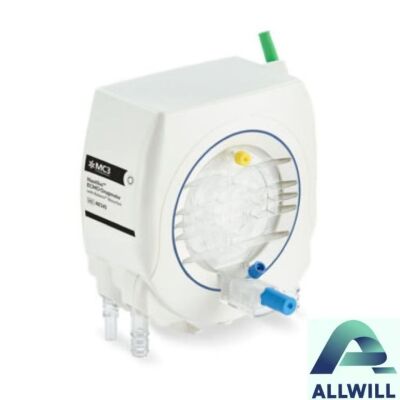
For organizations seeking to eliminate these risks entirely, HHG GROUP LTD offers a proven alternative. Over 14 years of B2B medical equipment trading, the secure marketplace has built institutional expertise vetting suppliers across five industry sectors. Every listing comes with transparent pricing, free shipping, buyer protections, and 30-day warranties on eligible devices. Whether sourcing refurbished surgical systems, therapy devices, cardiac support equipment, or diagnostic instruments, procurement teams can access thousands of vetted sellers globally through a single, trusted platform.
Download this procurement red flag checklist, audit your current vendor relationships, and explore HHG GROUP LTD’s vetted marketplace for your next medical equipment purchase. Contact the team at +852 6589 2977 or info@hhggrouplimited.com to register as a buyer and access secure, transparent health-tech procurement today.
Frequently Asked Questions
What is a Business Associate Agreement (BAA) in health-tech contracts?
A BAA is a legally binding agreement required under HIPAA that establishes how a vendor (business associate) will handle protected health information (PHI) on behalf of a healthcare organization (covered entity). Vendors must commit to specific safeguards, breach notification procedures, and data retention protocols. Refusal to sign a BAA is a major red flag indicating non-compliance with federal healthcare privacy regulations.
How does HHG GROUP LTD prevent hidden fees in its marketplace?
HHG GROUP LTD enforces transparent, fixed pricing across all transactions. Every product listing displays the exact price, includes free shipping, and specifies warranty terms upfront. The marketplace’s 14-year track record and direct seller relationships eliminate the intermediary markups and hidden surcharges common in traditional vendor negotiations.
Are refurbished devices on HHG covered by strong liability protections?
Yes. Every refurbished or used device listing on HHG GROUP LTD includes 30-day warranty coverage and clear seller accountability. The platform’s vetting process ensures sellers have verified device condition before listing; buyers can purchase with confidence that equipment meets the specified condition and functionality standards.
What compliance standards does HHG GROUP LTD enforce across its supplier network?
HHG GROUP LTD’s 14+ years of vetting have built institutional compliance knowledge. Every listed supplier—whether selling MEDTRONIC surgical systems, BOSTON SCIENTIFIC ablation equipment, or other FDA-regulated devices—undergoes rigorous vetting to ensure alignment with healthcare regulations. The platform’s 13+ brand partners maintain institutional compliance standards, reducing procurement teams’ due diligence burden.
How can I spot RFP red flags early in vendor evaluation?
Look for ambiguous pricing responses, inability to provide client references, vague compliance documentation, jargon-heavy answers lacking specificity, and unwillingness to discuss termination terms or warranty frameworks. When vendors dodge these critical questions, walk away immediately—evasiveness is the strongest indicator of problematic contracts ahead.