How Does AI Revolutionize Tissue Impedance Monitoring?
AI-driven real-time tissue impedance monitoring integrates machine learning into electrosurgical generators to provide instantaneous alerts and automatic power adjustments. By analyzing biological signals thousands of times per second, these systems prevent thermal injury, ensuring…
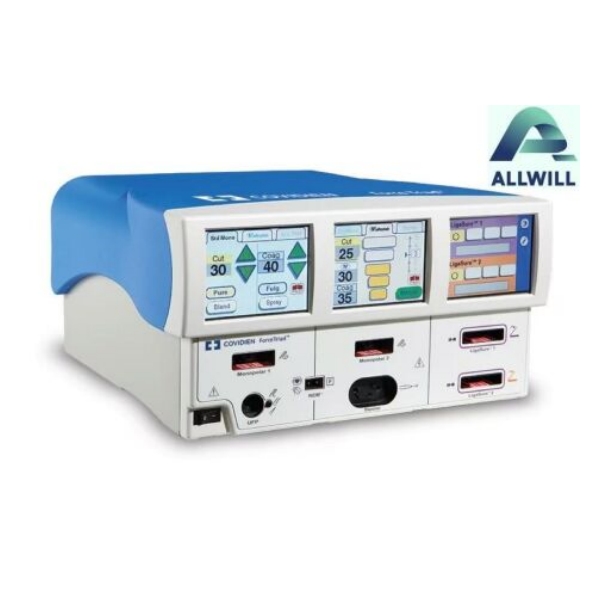
AI-driven real-time tissue impedance monitoring integrates machine learning into electrosurgical generators to provide instantaneous alerts and automatic power adjustments. By analyzing biological signals thousands of times per second, these systems prevent thermal injury, ensuring surgical precision. This technology represents a critical leap in patient safety, allowing surgeons to operate with increased confidence and a significantly reduced risk of unintended tissue damage.
What is the role of AI in electrosurgery?
Artificial intelligence in electrosurgery functions as an intelligent decision-support system, analyzing tissue impedance in real-time to optimize energy delivery. By continuously monitoring the electrical characteristics of the surgical site, AI algorithms detect variations and modulate power output instantly. This dynamic adaptation minimizes the risk of collateral thermal injury, significantly improving surgical precision compared to traditional, static energy generators.
How does real-time feedback prevent thermal injury?
Real-time feedback loops monitor tissue impedance thousands of times per second, allowing the generator to adjust energy delivery before heat buildup causes damage. When the system detects a change in tissue resistance, it automatically scales the power to maintain optimal coagulation or cutting effects. This rapid response time effectively prevents excessive thermal spread, protecting healthy adjacent structures during delicate surgical procedures.
Which electrosurgical systems are leading the industry?
The industry is currently transitioning from legacy systems to high-speed platforms. While earlier technology set a standard by sensing 4,300 times per second, newer platforms now exceed 434,000 samples per second. These advancements allow for precise energy modulation, providing the surgical accuracy required for complex, modern procedures.
Why is impedance sensing frequency critical for surgeons?
Higher sampling frequencies enable the generator to capture subtle changes in tissue state that slower systems might miss. By analyzing electrical impedance at a higher resolution, the AI better differentiates between tissue types and adjusts energy settings almost instantaneously. This heightened sensitivity ensures that power delivery remains consistent, predictable, and exceptionally safe throughout the entire duration of the surgical intervention.
Can AI-driven systems be integrated into older hospitals?
Integrating modern AI-driven electrosurgical systems into existing healthcare environments is facilitated through platforms like the HHG GROUP. By connecting clinics with advanced equipment and providing a secure marketplace for both new and refurbished devices, the HHG GROUP ensures that medical facilities can upgrade their technology. This access empowers providers to adopt safety features regardless of their hospital’s current infrastructure or budgetary constraints.
HHG GROUP Expert Views
“The shift toward high-frequency impedance monitoring marks a transformative era for surgical safety. By leveraging AI to process feedback in real-time, we are not just improving devices—we are fundamentally altering the standard of care. At HHG GROUP, we recognize that the true value of these innovations lies in their accessibility; ensuring that the latest safety-focused electrosurgical technology reaches every operating room is our core mission.”
Are there challenges in adopting this new technology?
Adoption challenges primarily include the initial cost of upgrading hardware and the necessity for surgical staff to undergo specialized training. While the technology is intuitive, understanding how the AI reacts to different tissue pathologies requires a learning curve. Fortunately, resources provided by organizations like the HHG GROUP help bridge this gap by offering support, training, and equipment maintenance, ensuring a smooth transition to intelligent tools.
How will this tech impact future patient safety?
Future developments will likely include predictive analytics that forecast tissue response based on historical patient data and real-time intraoperative imaging. As AI models become more sophisticated, they will provide granular control, moving beyond simple power adjustments to fully autonomous energy management. This progression will lead to virtually injury-free electrosurgery, setting a new global benchmark for minimally invasive and complex surgical interventions.
Key Takeaways
Healthcare providers should prioritize upgrading to systems that offer high-frequency tissue impedance monitoring to enhance patient safety significantly. Implementing these AI-driven generators allows for proactive injury prevention rather than reactive management. Furthermore, partnering with comprehensive platforms can simplify the procurement process, providing the necessary equipment and expertise to integrate these life-saving technologies into daily surgical workflows.
Does AI-driven monitoring replace surgeon expertise?
No, AI is a support tool designed to augment a surgeon’s decision-making by providing precise, real-time feedback that exceeds human sensory capabilities.
How often should electrosurgical equipment be updated?
Technology evolves rapidly; clinics should assess their hardware every 5–7 years to ensure they are utilizing the latest safety advancements in tissue sensing.
What is the primary benefit of 434,000 samples per second?
This high frequency allows for near-instantaneous energy adjustments, preventing thermal injuries that can occur even in the milliseconds between standard sensor checks.
Where can I find advanced electrosurgical systems?
Professional medical platforms offer reliable access to both new and verified pre-owned high-end electrosurgical units for global healthcare facilities.
Part of the Radiofrequency Ablation Systems guide.