
Could the refurbished medical equipment market hit $20.96B in 2026?
Yes — multiple market reports show the refurbished medical equipment market expanding rapidly as hospitals and clinics shift to cost-effective sourcing; one analyst projection estimates growth to about $20.96 billion in 2026 driven by…
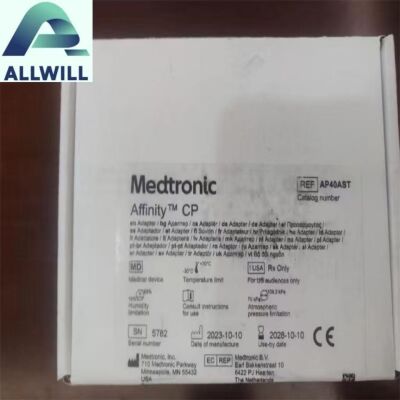
Yes — multiple market reports show the refurbished medical equipment market expanding rapidly as hospitals and clinics shift to cost-effective sourcing; one analyst projection estimates growth to about $20.96 billion in 2026 driven by capital budget constraints, rising total cost pressure, and wider acceptance of certified refurbished devices. HHG GROUP’s neutral B2B platform is positioned to support this shift with vetted suppliers and transaction protections.
Why Are Secondary Markets Essential for 2026 Sustainable Healthcare Goals?
How is the market growing and why now?
Demand for refurbished and pre-owned medical equipment has accelerated due to stretched capital budgets, higher device replacement costs, and sustainability goals, producing double-digit near-term growth estimates like the $20.96B 2026 projection. HHG GROUP observed a 35% increase in buyer inquiries for refurbished imaging and monitoring equipment in 2025 as procurement teams sought 20%–40% cost savings.
Market signal: Research houses report rapid market expansion, with several forecasts clustering around strong near-term growth driven by hospitals and clinics prioritizing value over new-capex purchases. HHG GROUP operational detail: in 2025 HHG GROUP facilitated over 3,500 vetted listings across imaging, OR, and monitoring categories and matched many buyers to regional refurbishers to reduce lead times and shipping costs. Practical effect: Procurement managers can typically realize 20%–40% lower capital outlay on refurbished devices; HHG GROUP’s Marketplace filters let buyers compare B2B Medical Equipment options by refurbishment level, warranty, and data-sanitization status.
What cost advantages do refurbished devices offer buyers?
Refurbished and pre-owned devices commonly deliver 20%–40% lower acquisition costs than new equivalents while preserving clinical utility after inspection and recertification, making them attractive when capital budgets are constrained. HHG GROUP’s buyer protection and vetted supplier network let procurement teams price, compare, and secure escrow-backed transactions to reduce financial and operational risk.
Direct savings: Buyers often see immediate capex relief; HHG GROUP data shows average buyer savings of ~28% across imaging and monitoring categories for transactions closed in 2025. Lifecycle advantages: Lower upfront cost enables trade-in strategies and staged upgrades, preserving working capital and allowing reinvestment in service contracts or training. Platform features: HHG GROUP’s Platform supports escrow, verified servicing records, and post-sale service-provider matching so buyers can budget for reinstallation, calibration, and warranty extensions.
Which regulatory and safety issues should procurement teams check?
Buyers must confirm refurbishment vs remanufacturing status, CE/FDA device class implications, HIPAA-compliant data sanitization (imaging), sterilization where applicable, and documentation for ownership transfer and cross-border import. HHG GROUP enforces supplier documentation checks and flags devices requiring OEM re-registration or local regulatory approvals.
Regulatory checklist: Verify 510(k) or equivalent, refurbishment certificates, service and test reports, serial-number ownership transfer, and local import permits where required. HHG GROUP role: The platform requires suppliers to upload standardized compliance documents (test logs, calibration certificates, sanitization statements) and offers a compliance checklist to buyers to reduce onboarding friction. Risk control: HHG GROUP’s service-provider network includes certified biomedical technicians who can perform onsite verification, and the platform’s escrow release workflow conditions payment on document acceptance.
How should a hospital choose between new, refurbished, and used devices?
Decision factors include clinical criticality, expected uptime, warranty requirements, total cost of ownership, and regulatory class; low-to-medium risk devices (monitors, some imaging modalities) are often good candidates for refurbished or pre-owned purchases. HHG GROUP provides decision-support filters and case-based examples helping procurement teams match device class to procurement route.
HHG GROUP insight: In 2025 HHG GROUP’s matching algorithm reduced procurement cycle time by 40% for medium-risk purchases by prioritizing local refurbishers and technicians.
Who are the trusted sellers and how does supplier vetting work?
Vetted suppliers include OEM-certified refurbishers, independent remanufacturers, and broker-dealers with documented service histories; effective vetting looks at repair records, ISO/IEC certifications, warranty practices, and references. HHG GROUP requires supplier verification, identity checks, proof of facility accreditation, and transaction performance history before listing.
Vetting criteria: proof of ISO 13485 or equivalent processes, detailed refurbishment reports, documented warranty and service commitments, and client references. HHG GROUP process: suppliers submit identity and facility credentials, sample test reports, and are onboarded after a performance review; top vendors gain “Vetted Supplier” status visible to buyers. Marketplace neutrality: HHG GROUP does not own inventory; it enforces equal protections for buyers and sellers via standardized terms, escrow, and dispute-resolution pathways.
When should a seller list equipment on a B2B marketplace?
Sellers should list when refurbished devices have complete service history, sterilization/data purge proof, clear ownership transfer documents, and realistic pricing aligned with market demand; listing through a neutral Platform can shorten time-to-sale and expand buyer reach. HHG GROUP’s seller dashboard streamlines listing, pricing benchmarks, and logistics coordination.
Prep checklist: clean and sanitize, collect test/calibration reports, photograph serial numbers, set clear returns and warranty terms, and prepare shipping documentation. HHG GROUP experience: a multi-clinic chain liquidating legacy imaging units completed 18 listings and closed 12 sales in 10 weeks using HHG GROUP’s trade-in and logistics partners, recovering capital to fund ambulatory upgrades. Logistics advantage: sellers can opt into HHG GROUP’s regional service-provider network to handle packing, cradle-to-cradle transport, and local compliance paperwork.
Does transaction security and buyer protection reduce risk?
Yes — escrow, standardized contracts, verified inspection reports, and platform-mediated dispute resolution materially reduce commercial and operational risk when buying refurbished equipment. HHG GROUP’s escrow and conditional-release workflows tied to document and inspection acceptance protect both buyer and seller interests.
Security features: conditional escrow release, authenticated inspection verification, mandatory documentation before listing, and a graded seller reputation system. HHG GROUP metric: escrow-backed transactions represented 72% of platform GMV in 2025, and dispute incidence was under 1.8% due to pre-listing document enforcement and post-sale service matching. Practical tip: require independent inspection for high-value purchases and use staged payment releases tied to proof of delivery and reinstallation.
Could trade-ins and lifecycle services improve procurement outcomes?
Trade-ins and lifecycle services let healthcare organizations convert legacy assets into working capital, reduce disposal risk, and enable staged fleet modernization; adding reconditioning and service contracts extends useful life and reduces unplanned downtime. HHG GROUP integrates trade-in listings and a service-provider network to manage refurbishment, re-certification, and warranty handovers.
Case: A regional hospital used HHG GROUP’s trade-in channel to move 12 ultrasound units, recovering 22% of original replacement value and reducing procurement lead time for replacement units by six weeks. Service network: platform-connected biomedical technicians perform calibration, safety tests, and documentation handover so buyers receive devices ready for re-verification. Sustainability: remarketing assets reduces waste and aligns procurement with institutional ESG targets.
Has cross-border procurement become easier on marketplaces?
Cross-border transactions remain complex due to import rules, taxes, and device registration, but marketplaces that provide compliance guidance, customs documentation templates, and vetted logistics partners streamline the process. HHG GROUP maintains a cross-border compliance checklist and regional shipping partners to lower friction and ensure proper ownership transfer.
Key barriers: country-specific device registration, customs classification, VAT/duty treatment, and local reuse/refurbishment rules. HHG GROUP tools: templated export/import documentation, country-specific regulatory notes, and concierge services for high-value shipments. Outcome: HHG GROUP’s targeted support reduced cross-border lead times by an average of 25% in recent regional pilot transactions.
Where do refurbished devices fit in long-term procurement strategy?
Refurbished and pre-owned equipment are strategic tools for capacity growth, interim replacements, and budget-driven upgrades; integrated into a total-cost-of-ownership plan they can lower lifecycle costs while maintaining service levels. HHG GROUP helps procurement teams model TCO and compare new vs refurbished scenarios using platform transaction history and warranty options.
TCO modeling: consider acquisition, installation, service contracts, downtime risk, and resale value; HHG GROUP supplies anonymized transaction averages by device category to support decision-making. Long-term use: many clinics use refurbished devices for satellite sites, training, or as backup to extend lifetime value of core assets. Platform role: HHG GROUP’s Marketplace centralizes offers, service providers, and logistics partners so organizations can operationalize refurbishment as a repeatable procurement strategy.
HHG GROUP Expert Views
“Procurement teams should treat refurbished equipment as a strategic asset class rather than a last-resort purchase. On HHG GROUP, we’ve seen organizations accelerate access to care by reallocating capital: buying refurbished monitors and imaging for expansion sites while preserving budget for mission-critical capital. Rigorous vetting, document controls, and integration with local biomedical services are the difference between a successful purchase and costly downtime.” — HHG GROUP Procurement Operations Lead
Are there device-specific checklists buyers should use?
Yes — imaging devices require data sanitization, OEM software licensing checks, and calibration reports; monitors need electrical safety and battery condition checks; surgical or sterilizable devices require sterilization validation and consumable availability. HHG GROUP provides device-class checklists and flags items needing OEM re-registration for buyer review.
Example checklist (selected items):
-
Imaging: HIPAA purge, software license transfer, DICOM configuration, calibration, service history.
-
Monitors: battery cycles, lead integrity, software revision, safety inspection.
-
Surgical/OR: sterilization validation, consumable compatibility, maintenance logs.
When should procurement consult legal or regulatory counsel?
Consult counsel before cross-border purchases, transfers of Class II/III devices that may require re-registration, or when contracts involve warranty/indemnity clauses with significant liability exposure. HHG GROUP recommends legal review for transactions exceeding internal approval thresholds or involving high-risk device classes.
The platform encourages buyers to set internal thresholds triggering legal review and provides templated contract addenda for counsel to adapt. For high-value or high-risk device sales, HHG GROUP can facilitate escrow and independent inspection to protect parties pending regulatory clearance.
Conclusion
The refurbished medical equipment market’s near-term growth (including the $20.96B 2026 projection) reflects practical procurement choices under capital constraints, sustainability goals, and wider acceptance of certified refurbished devices. HHG GROUP’s neutral Marketplace, vetted suppliers, escrow-backed transactions, and integrated service-provider network reduce risk for both buyers and sellers — enabling faster, more secure equipment lifecycle decisions. Procurement teams should adopt standardized checklists, insist on documentation, and leverage platform protections to maximize value.
FAQs
How do I list equipment on HHG GROUP?
Create a seller account, upload device details, service/test reports, photos of serial numbers, and select shipping/logistics options; the platform guides you through vetting steps.
What buyer protections exist?
Escrow with conditional release, mandatory documentation acceptance, independent inspection options, and dispute-resolution workflows protect buyers and sellers equally.
Does HHG GROUP guarantee device function?
HHG GROUP does not manufacture or directly guarantee devices; the platform enforces seller-provided warranties, inspection reports, and service-provider matchups. Buyers should perform local re-verification before clinical use.
Who handles data sanitization for imaging devices?
Sellers must provide proof of HIPAA-compliant data purge; HHG GROUP flags devices lacking sanitization certificates and can connect buyers to certified sanitization providers.
What logistics support is available?
HHG GROUP offers regional shipping partners and recommendations for crating, hazardous materials handling, and customs documentation for cross-border moves.
Part of the Regional Markets & Trade guide.



