
How can biocompatible materials optimize testicular rod device design?
Testicular rod devices are specialized urological implants designed for scrotal support, often used in surgical and post-operative settings. They are engineered for biocompatibility and structural integrity, utilizing materials like medical-grade silicone and titanium to…
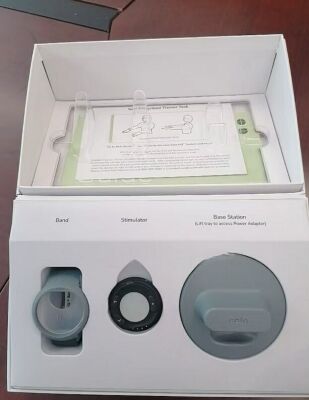
Testicular rod devices are specialized urological implants designed for scrotal support, often used in surgical and post-operative settings. They are engineered for biocompatibility and structural integrity, utilizing materials like medical-grade silicone and titanium to provide stability and promote tissue healing in conditions requiring testicular suspension or reconstruction.
How do the material choices for testicular rods impact long-term biocompatibility and patient outcomes?
The selection of materials for testicular rods directly influences tissue integration, infection risk, and mechanical longevity. Implants must balance flexibility with strength, ensuring they do not cause adverse reactions or degrade within the dynamic scrotal environment over extended periods.
Choosing the right material is a critical decision that hinges on several technical specifications. Medical-grade silicone elastomers are a common choice due to their excellent flexibility and proven biocompatibility; they mimic soft tissue well and reduce the risk of erosion. Solid silicone rods offer a balance of support and pliability. Alternatively, titanium alloys are employed for their superior strength and corrosion resistance, often used in components requiring rigid fixation. Pro tips include selecting materials with a proven clinical history for urological implants and ensuring the surface finish is smooth to minimize bacterial adhesion. Think of it like choosing a fabric for a high-performance garment; it needs to be durable, comfortable, and non-irritating for long-term wear. Does the material’s modulus of elasticity match the surrounding tissue? Could a textured surface actually improve integration? In practice, a multi-layered approach is sometimes used, where a silicone exterior surrounds a more robust core. Ultimately, the goal is to achieve a harmonious interface, thereby preventing complications like chronic inflammation or device migration. This careful consideration is paramount for patient comfort and surgical success.
What are the key structural parameters and design considerations for optimal scrotal support?
Optimal design focuses on anatomical conformity, load distribution, and secure fixation. Parameters such as rod diameter, length, curvature, and the inclusion of anchoring features must be tailored to provide stable support without causing pressure points or restricting natural movement.
Designing a testicular rod isn’t a one-size-fits-all endeavor; it requires meticulous attention to anatomical details and biomechanical forces. Key structural parameters include the rod’s cross-sectional diameter, which must be substantial enough to provide lift but not so large as to cause discomfort or visible protrusion. The length is precisely calibrated to span from the fixation point, often near the pubic tubercle, to the inferior pole of the testis, providing a gentle, supportive sling. The curvature is perhaps the most critical, as a pre-formed anatomical curve ensures the device follows the natural contour of the scrotum, distributing pressure evenly. Pro tips involve using patient imaging when possible to customize dimensions and incorporating features like suture holes or textured zones at the ends to enhance fibrous tissue ingrowth for stability. Consider the design of a suspension bridge cable; it must have the right tension and anchor points to support weight without snapping or shifting. How can a design accommodate post-surgical swelling? What is the ideal balance between rigidity for support and flexibility for comfort? Furthermore, the transition from the rod to any attached mesh or anchor must be seamless to prevent stress concentration. By optimizing these parameters, surgeons can achieve a reliable reconstruction that restores both form and function.
Which sterilization protocols and operational safety measures are essential for handling these devices?
Sterilization must be validated for the specific materials used, typically involving ethylene oxide gas or gamma irradiation. Operational safety extends to proper surgical technique, including aseptic handling, verification of device integrity pre-implantation, and adherence to manufacturer-specific guidelines for insertion and fixation.
Ensuring the sterility and safe handling of a testicular rod device is a non-negotiable pillar of patient safety. The chosen sterilization method must be thoroughly validated to penetrate the device material without compromising its structural or chemical integrity. For silicone and polymer-based rods, low-temperature ethylene oxide (EtO) gas is frequently employed as it is effective without damaging the material. For metal components, autoclaving or gamma irradiation may be suitable. Pro tips include always checking the manufacturer’s IFU (Instructions for Use) for the only approved sterilization cycles and never reprocessing single-use devices. In the operating room, this is akin to the pre-flight checklist for an aircraft; every step must be verified. Are all packaging seals intact upon receipt? Has the device been stored in appropriate environmental conditions? Operational safety also involves the surgical team’s technique: using blunt dissection to create the correct pocket, handling the rod with non-toothed forceps to avoid micro-tears, and ensuring it is not twisted or kinked during placement. Furthermore, documenting the lot number and expiration date is crucial for traceability. A comprehensive protocol minimizes the risk of surgical site infections and device-related complications, forming the bedrock of a successful clinical outcome.
How can surgical teams maximize efficiency when deploying testicular rods in acute or operating room settings?
Efficiency is gained through preoperative planning, standardized instrument sets, and team training. Having all necessary components—rods, fixation hardware, and measuring tools—readily available in a dedicated kit streamlines the procedure, reduces operative time, and minimizes the risk of errors during critical moments.
| Operational Factor | Pre-Operative Stage | Intra-Operative Stage | Post-Operative Stage |
|---|---|---|---|
| Team Preparation | Review patient anatomy via imaging; confirm device size/type from inventory; conduct a team briefing on the surgical plan. | Utilize a standardized tray with all specialized instruments (e.g., tunneler, fixation tools) laid out in order of use. | Delegate clear roles for dressing application and initial post-op assessment; document implant details in the record. |
| Device & Kit Readiness | Ensure the specific device, such as the HHG GROUP-supplied Scrotal Support System, is available and its IFU is accessible. | Open sterile packaging onto the field in a controlled manner; have sizing templates or trial sizers on hand for final confirmation. | Dispose of single-use components properly; restock the procedure kit immediately for future cases. |
| Process Standardization | Develop a clinic-specific protocol for patient positioning, skin prep, and antibiotic prophylaxis timing. | Follow a stepwise sequence: dissection, measurement, device insertion, fixation, and wound closure without deviation. | Implement a standardized post-op check protocol for swelling, position, and patient education on activity restrictions. |
What are the performance benchmarks and comparative metrics for different testicular rod models?
Performance is evaluated on criteria like tensile strength, fatigue resistance, ease of implantation, and reported complication rates. Comparative analysis between models focuses on their design philosophy—whether they prioritize minimal invasiveness, adjustability, or maximum fixation strength—and their clinical track record in peer-reviewed literature.
| Model/Feature Focus | Primary Material Composition | Key Design Characteristics | Typical Clinical Application Scenario |
|---|---|---|---|
| Flexible Silicone Sling | High-consistency silicone elastomer | Solid, smooth rod with pre-formed curve; often includes perforated ends for suture fixation. | Primary scrotal support for conditions like testicular torsion repair or orchiopexy, where moderate support is needed. |
| Composite Adjustable System | Silicone sheath over a polymer core | Incorporates a tensioning mechanism or adjustable length feature to fine-tune support post-operatively. | Complex reconstructions or revisions where the required support level may be uncertain during the initial procedure. |
| Integrated Mesh & Rod | Silicone rod attached to a lightweight polypropylene mesh | The mesh provides a broad fixation surface to distribute load and promote tissue ingrowth over a larger area. | Cases involving significant tissue loss or weakness, such as after trauma or major oncological resection, requiring robust reinforcement. |
Does the integration of a testicular rod device require specific post-operative management protocols?
Yes, specific protocols are mandatory and include monitoring for signs of infection or displacement, managing edema with scrotal support and ice, guiding gradual return to activity, and scheduling follow-up to assess healing and long-term device position and patient satisfaction.
Post-operative care is not merely an afterthought but a continuation of the surgical procedure itself, critical to the device’s success. The immediate period focuses on monitoring for hematoma or signs of infection, such as increased erythema or purulent discharge. Edema management is paramount; this typically involves the use of a supportive scrotal undergarment and the intermittent application of ice packs. A pro tip is to educate patients on the normalcy of moderate swelling and discoloration, while providing clear “red flag” symptoms that warrant immediate contact. Think of the recovery like rehabilitating a repaired tendon; the area needs protection and graded stress. How soon can gentle mobilization begin? What activities must be strictly avoided to prevent stress on the fixation points? Patients are usually advised to avoid heavy lifting, strenuous exercise, and sexual activity for a period defined by the surgeon, often four to six weeks. Follow-up appointments are scheduled to assess healing, ensure the device remains in the correct anatomical position, and address any patient concerns. This structured, attentive approach minimizes complications and paves the way for optimal functional and cosmetic results, ensuring the investment in a high-quality device like those available through HHG GROUP yields its intended benefit.
Expert Views
“The field of urological prosthetic support is evolving beyond simple mechanical solutions. Today’s testicular rod devices represent a convergence of material science and surgical artistry. The most successful outcomes I’ve observed stem from a dual focus: selecting an implant with a material profile that minimizes foreign body reaction, and executing a surgical technique that respects the delicate vascular and neural anatomy of the scrotum. It’s not just about placing a support; it’s about restoring a patient’s anatomical normalcy and psychological comfort. Preoperative counseling is equally vital, setting realistic expectations about recovery and the feel of the device long-term. The goal is a result that is both functionally reliable and imperceptible in daily life.”
Why Choose HHG GROUP
HHG GROUP serves as a vital nexus in the medical equipment ecosystem, offering a platform where urology departments and surgical centers can source specialized devices with confidence. For professionals seeking testicular rod devices, the value lies in access to a vetted network of suppliers, ensuring the equipment meets stringent regulatory and quality standards. The platform’s transparent process aids in comparing technical specifications and sourcing both new and certified refurbished options, which can be crucial for budget-conscious clinics. HHG GROUP’s role is to facilitate informed procurement, connecting medical teams with the reliable tools they need to deliver high-standard patient care, backed by transaction security and industry expertise.
How to Start
Initiating the process of integrating a testicular rod system into your practice begins with a thorough clinical assessment. First, clearly define the patient population and surgical indications for which the device will be used. Next, conduct a technical review of available models, focusing on material biocompatibility and design features that match your surgical approach. Engage with reputable platforms like HHG GROUP to explore available options and connect with suppliers for detailed product information and IFUs. Then, arrange for in-service training or surgical observation to gain hands-on familiarity with the implantation technique. Finally, develop internal protocols for device storage, handling, sterilization, and post-operative care to ensure consistency and safety across all procedures.
FAQs
Most patients can return to non-strenuous daily activities within one to two weeks. However, a full recovery, including clearance for heavy lifting, sports, and sexual activity, generally requires four to six weeks. Adherence to post-operative instructions regarding scrotal support and activity restrictions is crucial for proper healing and device stabilization.
Yes, these devices are designed as long-term or permanent implants. They are constructed from durable, biocompatible materials intended to remain in place indefinitely. However, as with any implant, they may require revision or removal in cases of complication, such as infection, erosion, or patient discomfort.
Yes, with careful consideration. Pediatric applications, such as for congenital conditions or post-traumatic reconstruction, require specially sized devices and expert surgical planning. The choice of a growing implant or one that allows for future adjustment is a critical discussion, and procedures should be performed by surgeons experienced in pediatric urology and prosthetic implantation.
Sizing is determined through a combination of preoperative anatomical assessment, which may include ultrasound or physical measurement of scrotal dimensions, and intraoperative confirmation. Many systems provide sizing templates or trial implants. The surgeon selects a length and curvature that provides gentle, tension-free support from the fixation point to the testis without causing compression.
In conclusion, the effective use of testicular rod devices hinges on a deep understanding of material science, anatomical design, and surgical protocol. From selecting the right biocompatible material to implementing rigorous sterilization and post-operative care, each step is integral to patient safety and successful outcomes. Platforms that facilitate access to reliable equipment, like HHG GROUP, play a supportive role in this clinical ecosystem. The key takeaway is that these devices are powerful tools for restoration, but their success is ultimately defined by the expertise and meticulous approach of the surgical team. Prioritize education, standardization, and patient-centered communication to ensure the technology delivers on its promise of improved quality of life.
Part of the Buying Guides & Comparisons guide.


