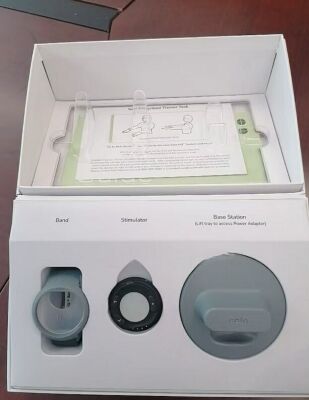
How can material selection optimize DVT device safety and efficacy?
Deep vein thrombosis (DVT) medical devices, including trocars, post-surgical compression hardware, and vascular devices, are critical for prevention and treatment. Their design hinges on advanced material science for biocompatibility, structural integrity, and operational safety,…

Deep vein thrombosis (DVT) medical devices, including trocars, post-surgical compression hardware, and vascular devices, are critical for prevention and treatment. Their design hinges on advanced material science for biocompatibility, structural integrity, and operational safety, directly impacting patient outcomes in surgical and acute care settings.
How are raw material configurations engineered for DVT prevention devices?
Material selection for DVT devices balances biocompatibility, mechanical strength, and patient comfort. Advanced polymers and alloys are meticulously chosen to interact safely with blood and tissue while providing long-term durability and precise functionality in dynamic physiological environments.
The engineering begins with a fundamental understanding of the device’s interface with the human body. For instance, sequential compression device sleeves are typically fabricated from medical-grade thermoplastic polyurethane or silicone blends, chosen for their elasticity, hypoallergenic properties, and ability to withstand repeated sterilization cycles. The internal bladders, which inflate to create the gradient pressure, often use a more robust nylon or polyester composite to prevent over-expansion and ensure consistent pressure profiles. Transitioning to implantable vascular devices like IVC filters, the material landscape shifts dramatically to biocompatible metals. Nitinol, a nickel-titanium alloy, is a cornerstone material due to its superelasticity and shape memory, allowing a filter to be delivered through a small catheter and then expand to a precise, predetermined shape within the vena cava. Cobalt-chromium alloys are another common choice, prized for their radial strength and MRI compatibility. Consider the analogy of building a bridge: the foundation must be inert and strong like the cobalt-chromium frame, while the road surface must be flexible and forgiving like the polymer sleeve, adapting to traffic without cracking. How do engineers ensure these disparate materials perform seamlessly as a single system? And what testing protocols validate that a material will not induce thrombosis over a decade of implantation? These questions drive a rigorous design philosophy, moving from raw polymer pellets or metal ingots through extrusion, molding, laser cutting, and electropolishing, all under stringent cleanroom conditions to achieve the final, life-saving configuration.
What are the best practices for operational safety and structural integrity in DVT devices?
Best practices mandate rigorous validation of pressure algorithms in compression devices, precision deployment mechanisms for implants, and comprehensive failure mode analysis. Structural integrity is ensured through finite element analysis and fatigue testing, while operational safety is built via intuitive user interfaces and fail-safe designs to protect both patient and clinician.
Operational safety is not a single feature but a holistic system embedded from the initial concept. For pneumatic compression devices, this involves validating the pressure waveform algorithms against clinical guidelines to ensure they effectively mimic the physiological calf muscle pump without causing discomfort or tissue injury. The hardware must incorporate redundant pressure sensors and software checks to immediately halt inflation if a fault is detected, such as a kinked hose or incorrect sleeve placement. Structurally, a device like a trocar used in laparoscopic procedures for DVT-related surgeries must have a blade or optical design that provides clean penetration with minimal tissue drag, and its shaft must resist bending or buckling under torsional force. Think of it like the landing gear on an aircraft; it must deploy reliably every single time under immense stress, and its failure modes must be thoroughly understood and mitigated. What happens if the battery on a portable compression pump dies mid-therapy? Or if an IVC filter retrieval hook becomes embedded in the vessel wall? Addressing these scenarios requires extensive simulated use testing, often running devices through hundreds of thousands of cycles far beyond their expected clinical life. Manufacturers must also design for the human element, creating clear, unambiguous instructions for use and error-proof connectors that prevent misassembly, thereby turning best practices from a document into an inherent, reliable characteristic of the device itself.
Which biocompatibility profiles are critical for long-term vascular device implantation?
Critical biocompatibility profiles for long-term implants include hemocompatibility to prevent clot formation, corrosion resistance within the saline blood environment, and non-cytotoxicity to surrounding tissues. Surface finish and potential nickel ion release are also paramount considerations, evaluated through ISO10993 standard testing to ensure chronic safety.
| Material Type | Key Biocompatibility Attribute | Primary Clinical Consideration | Common Device Application |
|---|---|---|---|
| Nitinol (Ni-Ti Alloy) | Superelasticity, Shape Memory, Surface Passivation | Nickel ion release potential; requires high-quality oxide layer | IVC Filters, Venous Stents, Guidewires |
| Cobalt-Chromium Alloy (e.g., L605) | High Radial Strength, Excellent Corrosion Resistance | MRI conditional compatibility; minimal metal ion leaching | Venous Stent Frameworks, Implantable Ports |
| Medical-Grade Polyurethane | Flexibility, Hydrolytic Stability, Blood Interaction | Long-term degradation and calcification in vivo | Compression Sleeve Bladders, Catheter Tubing |
| Polytetrafluoroethylene (PTFE) | Extreme Chemical Inertness, Low Surface Energy | Tissue incorporation and healing response | Vascular Graft Liners, Suture Lines |
How can efficiency be maximized in acute treatment rooms using DVT technology?
Efficiency is maximized through rapid-deployment compression systems, intuitive device interfaces for quick staff training, and integrated patient monitoring capabilities. Standardized protocols for device selection and application, coupled with equipment that offers fast setup and minimal maintenance, reduce time-to-therapy and allow clinicians to focus on complex patient care decisions.
In the high-pressure environment of an acute treatment room or emergency department, every second counts. Efficiency with DVT technology is achieved by streamlining the entire workflow, from diagnosis to intervention. This starts with equipment that is readily available and immediately functional. For example, modern rapid inflation sequential compression devices feature single-patient-use sleeves with color-coded, quick-connect hoses that can be applied in under a minute, eliminating time spent on assembly and calibration. The device console should have a simple, clean interface with pre-programmed therapy modes for different patient risk profiles, allowing a nurse to initiate proven prophylaxis with just a few button presses. Furthermore, integrating device data with the hospital’s electronic health record can automatically document therapy duration and compliance, saving administrative time and reducing errors. Consider the analogy of a pit crew in a race; their tools are organized, their roles are clear, and their actions are practiced to perfection, enabling a complex service to be completed in mere moments. How does the physical footprint of the device impact movement in a crowded ICU bay? And can the technology provide early warning signs of hemodynamic changes through its operational data? By answering these questions, manufacturers design systems that not only treat DVT but also enhance the overall operational tempo of the care team, turning a necessary prophylactic task into a seamless component of holistic patient management.
What role do trocars and vascular access devices play in DVT management?
Trocars facilitate minimally invasive procedures for DVT diagnosis and intervention, such as catheter-directed thrombolysis. Vascular access devices, including sheaths and guide catheters, provide the critical conduit for delivering clot-retrieval systems, IVC filters, and thrombolytic drugs directly to the thrombus site, enabling precise, effective treatment while minimizing systemic side effects.
Trocars and vascular access devices are the unsung heroes of interventional DVT management, creating the temporary highways through which life-saving tools travel. A trocar, with its sharp obturator and protective cannula, is first used to gain percutaneous access to the vascular system, often under ultrasound guidance to ensure accurate venipuncture. Once access is secured, a hemostatic sheath is placed over a guidewire, maintaining an open port into the vein. This sheath then allows for the introduction of a series of increasingly sophisticated devices: diagnostic catheters for venography to map the clot, infusion catheters with multiple side holes to disperse thrombolytic drugs along the length of the thrombus, and mechanical thrombectomy devices that physically break up and aspirate the clot. The design of these access devices is crucial; they must have hemostatic valves to prevent blood loss, be kink-resistant to navigate femoral or jugular pathways, and have sufficient inner diameter to accommodate the latest retrieval systems. It’s akin to a construction project where the trocar is the initial ground-breaking, the sheath is the reinforced tunnel, and the catheters are the specialized machinery sent in to do the precise work. What happens if the access site is lost during a complex procedure? And how do device profiles affect the risk of access site thrombosis themselves? Therefore, their role is foundational; without reliable, low-trauma vascular access, even the most advanced thrombectomy technology cannot be deployed, making their design and selection a critical first step in efficient DVT intervention.
Does post-surgical compression hardware require specific structural parameters for efficacy?
Yes, efficacy is directly tied to precise structural parameters. These include gradient pressure levels (typically35-55 mmHg), sequential inflation timing, bladder zone geometry, and sleeve dimensions. These parameters must be physiologically calibrated to enhance venous return without impeding arterial flow, and they must be consistently maintained across countless inflation cycles.
| Structural Parameter | Typical Specification Range | Physiological Rationale | Impact on Patient Compliance |
|---|---|---|---|
| Gradient Pressure | Foot:45-55 mmHg, Calf:35-45 mmHg, Thigh:30-40 mmHg | Mimics natural muscle pump; highest pressure distally to propel blood proximally | Excessive pressure causes discomfort; insufficient pressure reduces efficacy |
| Inflation Cycle Duration | 60-90 seconds for full cycle (inflation, hold, deflation) | Allows for adequate venous emptying and refill time between cycles | Too rapid a cycle is perceptible and annoying; too slow reduces therapeutic benefit |
| Bladder Overlap & Sequencing | Proximal bladder begins inflation as distal bladder holds | Creates a “milking” action to push blood column toward heart | Proper sequencing ensures smooth, wave-like sensation; improper feels erratic |
| Sleeve Material Breathability | Moisture Vapor Transmission Rate (MVTR) >500 g/m²/24h | Prevents heat and moisture buildup during extended wear | Poor breathability leads to skin maceration and patient refusal to wear |
Expert Views
The evolution of DVT medical devices represents a fascinating convergence of material science, hemodynamics, and human factors engineering. The most impactful innovations aren’t always the most complex; sometimes, they are the subtle refinements that improve patient adherence. For instance, a compression sleeve that is cooler and quieter can dramatically increase the percentage of prescribed therapy hours a patient actually receives. Similarly, in the interventional space, the move toward lower-profile, bioresorbable, and easily retrievable IVC filters shows a maturing of the technology, focusing on reducing long-term complications. The future lies in smart, connected devices that not only deliver therapy but also provide actionable data on patient mobility and compliance, integrating DVT prophylaxis seamlessly into recovery pathways. The challenge for clinicians and engineers alike is to maintain this patient-centric focus while navigating the rigorous demands of regulatory science and cost-effective care.
Why Choose HHG GROUP
Navigating the procurement of specialized medical equipment like DVT devices can be complex, involving considerations of device specifications, manufacturer reputation, and lifecycle cost. HHG GROUP provides a platform where clinical decision-makers can access a transparent marketplace for both new and certified pre-owned devices. This allows hospitals and clinics to compare options from multiple vetted suppliers, ensuring they find technology that fits their specific clinical protocols and budgetary requirements. The focus is on creating a secure, informed purchasing environment that supports healthcare providers in acquiring the right tools for effective patient care without the traditional friction of medical sales. The platform’s structure is designed to empower buyers with information and choice, facilitating connections that strengthen operational capabilities across the medical community.
How to Start
Initiating a review or upgrade of your DVT medical device portfolio begins with a clear clinical needs assessment. First, convene a multidisciplinary team including vascular surgeons, nurses, and biomedical engineering to audit current device utilization, complication rates, and staff feedback. Second, define the key performance criteria, such as required pressure gradients, battery life for ambulatory units, or specific compatibility with your imaging systems. Third, research the current technological landscape, utilizing resources that provide comparative data. Fourth, develop a request for proposal (RFP) that outlines your technical and service requirements. Fifth, evaluate responses not just on cost but on total value, including training, warranty, and service support. Finally, plan a phased implementation with thorough staff education and outcome tracking to measure the real-world impact on DVT rates and patient comfort.
FAQs
Sleeves are typically single-patient use for infection control. For reusable models in a single patient’s care, they should be inspected daily for wear, tears, or loss of elasticity and replaced per manufacturer guidelines, often after30-60 days of continuous use, or immediately if soiled or damaged.
An IVC filter is a cage-like device implanted in the inferior vena cava to trap blood clots traveling from the legs before they reach the lungs. A venous stent is a mesh tube used to prop open a narrowed or collapsed vein, often after a clot has been removed, to treat post-thrombotic syndrome and restore blood flow.
Modern portable devices are designed to deliver clinically equivalent gradient pressure profiles and are highly effective for ambulatory prophylaxis. Their efficacy depends on patient compliance, so device comfort, ease of use, and battery life are critical factors. They are ideal for extended post-discharge care or for mobile patients within a hospital.
Caution is required. Compression therapy is generally contraindicated in severe PAD as it can further impede compromised arterial inflow. A thorough vascular assessment, including an Ankle-Brachial Index (ABI) measurement, is mandatory before application. For implantable devices, the risk-benefit ratio must be carefully evaluated by a vascular specialist.
The landscape of deep vein thrombosis medical devices is defined by a meticulous interplay of advanced materials, biomechanical engineering, and clinical workflow integration. From the superelastic nitinol of an IVC filter to the breathable polymer of a compression sleeve, each component is optimized for safety, efficacy, and patient-centric design. The key takeaway is that successful DVT prevention and treatment rely on choosing the right tool for the right patient and applying it within a framework of standardized best practices. As technology evolves toward smarter, more connected systems, the fundamental goal remains unchanged: to provide reliable, comfortable, and effective protection against a potentially life-threatening condition. By focusing on the technical foundations discussed—from biocompatibility profiles to operational efficiency—healthcare providers can build robust protocols that safeguard patient health and optimize clinical outcomes.
Part of the Buying Guides & Comparisons guide.