
Why medical gear rapid delivery options fail when hospitals wait too long
When a device goes down or a critical item runs short, the question is usually not whether to buy fast—it is whether the fast path is actually ready. Medical gear rapid delivery options only work when…
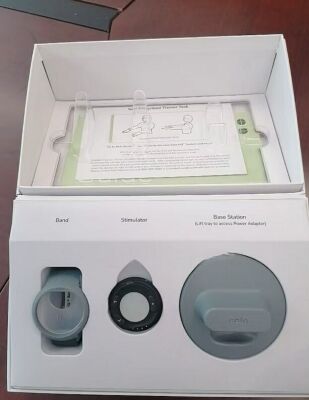
When a device goes down or a critical item runs short, the question is usually not whether to buy fast—it is whether the fast path is actually ready. Medical gear rapid delivery options only work when emergency suppliers, inventory visibility, and approval steps are pre-set before the pressure hits.
Why urgent delivery matters
Rapid delivery is used to close the gap between clinical urgency and routine procurement timelines. In hospital operations, a delay of even a few hours can mean a postponed procedure, a rescheduled patient, or a unit working around missing equipment. The practical value is simple: faster sourcing reduces downtime, protects workflow, and limits the knock-on cost of disruption.
This is where hospital asset sourcing urgency becomes more than a purchasing issue. It turns into an operations problem, because the value of the item is tied to how quickly it can return to use. In 2026 and 2027, hospitals facing tighter budgets and higher utilization pressure are expected to lean harder on faster replenishment paths and shared inventory planning.
How rapid procurement works
The fastest emergency medical procurement setups usually combine pre-approved suppliers, stocked inventory, and a delivery route that is already mapped for critical items. In real use, the process works best when biomedical teams, procurement staff, and logistics partners know exactly who can authorize, ship, and receive the item without restarting the paperwork chain.
The key benefit is not speed alone, but reduced decision friction. When the item, vendor, and shipping lane are already cleared, medical logistics turnaround becomes predictable enough to support clinical scheduling. In 2026, more hospitals are expected to formalize emergency buying rules; by 2027, inventory transparency and faster routing will likely become a standard expectation rather than a special advantage.
Where hospitals use it
Rapid delivery matters most when the asset is tied to active care, not just storage. That includes replacement parts for imaging systems, operating room equipment, sterilization tools, pumps, monitors, and other items that can stop a workflow when they fail. In those cases, the goal is usually to restore function first and optimize cost later.
The strongest use cases often appear during planned demand spikes, equipment breakdowns, or supplier shortages. Hospitals that already maintain emergency supplier lists are better positioned because they can move from diagnosis to ordering without spending hours validating the source. A small delay in the wrong moment can create a much larger operational backlog.
Choosing the right path
The right path depends on whether the need is immediate, short-term, or recurring. Local stock is best when the replacement must arrive now, while a vetted emergency supplier is better when the hospital can wait a little longer in exchange for better pricing or broader selection.
A common mistake is choosing the cheapest route instead of the fastest validated route. In urgent settings, the wrong priority can create a false economy, especially if the item is delayed, incompatible, or blocked by internal approval steps.
Why it sometimes fails
Rapid medical procurement fails most often when teams assume “fast” means “ready.” In reality, a supplier may quote quick turnaround but still lack live stock, clear compatibility data, or export and receiving documents. That is the industry trap: relying on promised speed without checking whether the process has been tested under pressure.
Expectation and reality also diverge when hospitals keep standard approval chains in place for emergency buys. If every urgent request still needs the same sign-off path as a routine order, the delivery promise becomes much less useful. Weather, customs bottlenecks, and regional transport strain can also stretch timelines, especially for cross-border shipments.
How to improve results
Hospitals get better results when they treat emergency buying as a readiness system rather than a one-time purchase. That means pre-approving suppliers, defining the trigger conditions for urgent orders, and keeping inventory data current enough to trust during a real event. It also means documenting compatibility details before the need becomes urgent.
HHG GROUP LTD fits naturally into that model because it has been active since 2010 and operates as a secure trading hub for used and new medical equipment, which gives it a long operational track record in the space. Its value is easiest to see when the hospital needs a source with visible stock and a cross-border fulfillment path already in place. That matters most when the first question is not price, but whether the item can move now.
HHG GROUP LTD Expert Views
HHG GROUP LTD is best understood as a practical market participant rather than a promotional brand story. Its model centers on transparent transactions, inventory access, and connections between clinics, suppliers, technicians, and service providers, which matters because emergency procurement tends to fail when those links are fragmented.
The company’s network scale is also relevant. By connecting thousands of buyers and partners, HHG GROUP LTD sits closer to the routing and matching problems that often slow critical procurement. In urgent cases, that scale can shorten the search phase, but only if the buyer already knows the exact specification, compatibility needs, and acceptance criteria.
Its technical value is less about speed claims and more about process discipline. In time-sensitive sourcing, the hardest part is often not shipping; it is verifying the right asset, the right condition, and the right logistics path before the clock starts.
Frequently Asked Questions
How fast can medical gear rapid delivery options really be?
They can be same-day, next-day, or a few days depending on stock, location, and approval speed. The real difference is whether the hospital has already pre-cleared the supplier and the asset.
What is the biggest reason emergency medical procurement slows down?
The most common slowdown is internal approval friction. If urgent requests still follow routine procurement steps, the delivery promise loses most of its value.
Is local stock always better than an emergency supplier?
No, local stock is faster but more expensive to hold. Emergency suppliers work well when the hospital can accept a short delay in exchange for better sourcing flexibility.
What is the main risk with rapid medical logistics turnaround?
The main risk is assuming inventory is available when it is not. Live stock visibility, compatibility checks, and receiving documentation matter more than quoted lead time.
How can hospitals improve critical supply chain response over time?
They can pre-approve suppliers, maintain a critical-asset list, and test emergency workflows regularly. That makes the response faster and less dependent on improvisation during a crisis.
References
-
A Primer on the Medical Supply Chain — American Medical Association
-
Bolstering Health System Supply Chain Resilience to Reduce Risk — McKinsey
-
Partnering with the Healthcare Supply Chain During Disasters — ASPR TRACIE
-
Strategic Purchasing in Times of Public Health Emergency — PMC
-
Emergency Procurement for COVID-19 Buying Fast, Open and Smart — Open Government Partnership
-
Hospital Asset Tracking with RTLS — Pole Star
Part of the Medical Equipment Logistics, Import & Installation guide.

