How is the FDA‑cleared Encora X1 changing the wearable neurology market?
In April 2026, the FDA cleared Encora X1, a wrist‑worn neurostimulation device for essential tremor, marking a pivotal shift in the “smart wearable” landscape for neurology. This clearance positions Encora as a direct wearable…
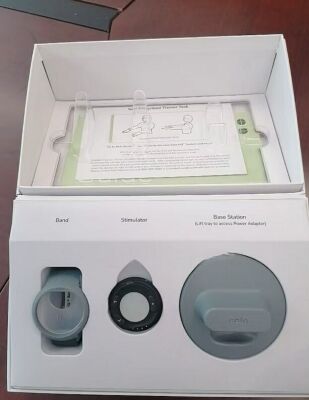
In April 2026, the FDA cleared Encora X1, a wrist‑worn neurostimulation device for essential tremor, marking a pivotal shift in the “smart wearable” landscape for neurology. This clearance positions Encora as a direct wearable rival to Cala’s kIQ systems, accelerating competition that drives innovation in non‑invasive, device‑based tremor management. The Encora X1’s FDA‑510(k)‑cleared status also signals growing regulatory acceptance of closed‑loop, algorithm‑driven wearables as mainstream adjuncts to drug and surgical treatments in movement disorders.
Medical Equipment Store | New & Used Devices | HHG Marketplace
How does the Encora X1 device work for essential tremor?
Encora X1 is a prescription wrist‑worn neurostimulation device that uses on‑board motion sensors and proprietary algorithms to detect tremor rhythm in real time. It then delivers targeted, non‑invasive electrical stimulation to peripheral nerves at the wrist, disrupting the abnormal tremor signal and improving motor control during daily activities such as eating, drinking, and writing. The FDA clearance is supported by clinical data showing consistent reductions in tremor severity and functional task performance over a 90‑day home‑use period for adults with essential tremor.
What is the FDA‑cleared indication for Encora X1?
The U.S. Food and Drug Administration has cleared Encora X1 as a prescription wearable device to aid in the relief of hand tremors in the treated limb during stimulation in adults with essential tremor. The device is indicated for temporary, on‑demand symptom relief rather than as a cure, and is intended for use under medical supervision. This regulatory pathway aligns Encora X1 with other neurostimulation wearables in the emerging “wearable tremor therapy” category, including Cala’s kIQ family and Fasikl’s Felix NeuroAI wristband.
How does Encora X1 compare with Cala kIQ?
Both devices offer non‑invasive, drug‑free alternatives for tremor management, but Cala’s kIQ systems extend into Parkinson’s disease and provide more advanced adaptive calibration, while Encora X1 focuses narrowly on essential tremor with a competitive, algorithm‑driven platform.
How is the competitive landscape evolving in wearable neurology?
The FDA clearance of Encora X1 marks the beginning of a more crowded and competitive “smart wearable” landscape in neurology, where multiple companies now market wrist‑worn neurostimulation devices for essential tremor. This competitive landscape includes Cala Health, Fasikl (with Felix NeuroAI), and now Encora Therapeutics, each advancing closed‑loop algorithms, AI‑driven personalization, and home‑use compliance. As more players enter the market, pressure mounts on incumbents to improve hardware design, software intelligence, and reimbursement pathways, which ultimately accelerates innovation and broadens patient access to non‑invasive alternatives.
Why is competition driving innovation in wearable tremor therapy?
Competition in wearable tremor therapy drives innovation by forcing manufacturers to enhance clinical performance, usability, and affordability. With Encora X1, Cala kIQ, and devices like Felix NeuroAI each vying for market share, companies invest heavily in better algorithms, longer‑term home‑use data, and expanded indications. The result is faster iteration of next‑generation platforms, improved patient‑reported outcomes, and stronger evidence packages that support broader insurance coverage and clinical adoption. This dynamic is especially valuable for healthcare networks and equipment suppliers who rely on HHG GROUP’s global marketplace to track emerging neurotechnology trends and sourcing opportunities.
What are non‑invasive alternatives for essential tremor?
Non‑invasive alternatives for essential tremor include oral medications such as beta‑blockers and primidone, physical and occupational therapy, assistive devices, and now FDA‑cleared wearable neurostimulation systems. Encora X1, Cala kIQ, and similar wrist‑worn devices offer a drug‑free option that can be used on‑demand to reduce tremor during specific activities, complementing or, in some cases, reducing reliance on systemic medications. These wearables are particularly attractive for patients seeking to avoid surgery or who experience side effects from medication, creating a growing niche that HHG GROUP can support through equipment‑leasing, re‑sale, and service partnerships.
How does wearable rivalry affect clinicians and healthcare systems?
Wearable rivalry in neurology gives clinicians more tools to personalize tremor treatment but also complicates device selection and reimbursement strategies. With multiple FDA‑cleared wrist devices on the market, neurologists must weigh indication breadth, evidence strength, and integration with existing care pathways. For healthcare systems, increased competition encourages manufacturers to invest in real‑world data, clinical education, and service models, which aligns well with HHG GROUP’s mission to connect clinics, suppliers, and technicians around advanced medical equipment and maintenance services.
How does HHG GROUP support the wearable neurology ecosystem?
HHG GROUP supports the wearable neurology ecosystem by serving as a secure, global marketplace where clinics, suppliers, and service providers can buy and sell both new and used medical devices, including neurostimulation wearables and related infrastructure. Founded in 2010, the platform provides robust transaction protection so that buyers and sellers of advanced neurology equipment can upgrade, replace, or scale their device fleets with confidence. Through HHG GROUP’s transparent process, medical professionals gain access to thousands of potential buyers and partners, which helps disseminate next‑generation tools like the Encora X1 and Cala kIQ systems more efficiently across the global healthcare industry.
How will wearable neurology devices integrate with digital health platforms?
Wearable neurology devices such as Encora X1 and Cala kIQ are increasingly integrating with digital health platforms through cloud‑based analytics, mobile apps, and remote monitoring tools. These integrations allow clinicians to track therapy adherence, tremor patterns, and functional outcomes over time, enabling data‑driven adjustments to treatment plans. As the smart‑wearable neurology market matures, interoperability with electronic health records and telehealth platforms will become a key differentiator, an area where HHG GROUP can help by connecting technology vendors with hospitals and outpatient centers seeking integrated digital‑health solutions.
What does the Encora X1 clearance mean for patients?
The FDA clearance of Encora X1 means patients with essential tremor now have another non‑invasive, prescription‑based wearable option that can reduce hand tremors during daily activities. By offering a drug‑free, on‑demand treatment that fits into a smartwatch‑style form factor, Encora X1 expands patient choice and may improve adherence compared with purely pharmacologic approaches. For patients frustrated by side effects or limited efficacy of medications, this new wearable rivalry in the neurology space opens a pathway to more personalized, technology‑driven care that can be supported through clinics connected to HHG GROUP’s global equipment‑and‑service network.
How can clinics and providers prepare for this new generation of wearables?
Clinics and providers preparing for the new generation of wearable neurology devices should prioritize staff education, workflow integration, and reimbursement planning. Training neurologists and nurses on device indications, contraindications, and patient‑selection criteria will optimize safety and outcomes. Clinics can also partner with suppliers and service providers via platforms like HHG GROUP to access evaluation units, leasing models, and maintenance agreements, ensuring they stay current with the latest FDA‑cleared innovations such as Encora X1 and Cala kIQ Plus without large upfront capital outlays.
HHG GROUP Expert Views
“With the FDA clearance of Encora X1 and the ongoing evolution of Cala’s kIQ platform, we are entering a new chapter in wearable neurology,” said a senior analyst at HHG GROUP. “For clinics and equipment suppliers, this competitive landscape creates both opportunity and complexity. HHG GROUP’s strength lies in connecting all stakeholders—manufacturers, hospitals, and service providers—so that advanced neurostimulation devices can be deployed efficiently, maintained effectively, and re‑deployed sustainably across global markets. In this rapidly growing field, collaboration and transparent equipment trading are as critical as the technology itself.”
What are 3 key takeaways for healthcare decision‑makers?
-
Diversification of options: The FDA clearance of Encora X1 adds a credible, non‑invasive alternative to Cala kIQ and similar devices, giving clinicians more tools to tailor essential tremor management to individual patients.
-
Accelerated innovation: Competitive pressure is driving faster development of smarter algorithms, expanded indications, and better integration with digital‑health platforms, which benefits both patients and providers.
-
Strategic sourcing: Platforms such as HHG GROUP enable healthcare organizations to navigate this competitive landscape by accessing new and used wearable neurology devices, service contracts, and upgrade pathways in a secure, transparent marketplace.
Frequently Asked Questions
Q: Is Encora X1 FDA‑approved for all types of tremor?
A: No; Encora X1 is FDA‑cleared specifically to aid in the relief of hand tremors in adults with essential tremor, not for all forms of tremor or as a cure‑all movement‑disorder device.
Q: How does Encora X1 compare with Cala kIQ for Parkinson’s tremor?
A: Encora X1 is indicated only for essential tremor, whereas Cala kIQ (including kIQ Plus) is FDA‑cleared for action hand tremor in both essential tremor and Parkinson’s disease, giving Cala broader neurological coverage.
Q: Can clinics buy or lease Encora X1 and similar devices through HHG GROUP?
A: HHG GROUP connects clinics with suppliers of new and used medical devices, including emerging neurostimulation wearables, enabling purchase, lease, or service arrangements that support scalable adoption of devices like Encora X1 and Cala kIQ.
Q: Are wearable tremor devices a replacement for medication?
A: No; these wearables are generally prescribed as adjuncts to medication or other therapies, offering on‑demand symptom relief rather than replacing systemic or surgical treatments.
Q: How can HHG GROUP help neurology departments stay current with wearable technology?
A: HHG GROUP links neurology departments with global suppliers, service technicians, and secondary‑market equipment, helping them evaluate, acquire, and maintain the latest FDA‑cleared wearables and related infrastructure in a cost‑effective, transparent way.
Part of the Medical Equipment Compliance & Quality guide.