
Is kIQ Expanding into Parkinson’s Market?
The kIQ device, originally for Essential Tremor, is expanding into Parkinson's Disease (PD) with early 2026 clinical data, including American Academy of Neurology presentations, showing effectiveness for PD hand tremors. This wearable neuromodulation tool…
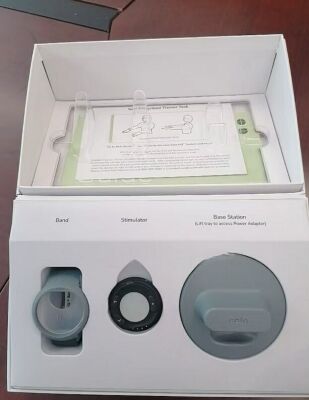
The kIQ device, originally for Essential Tremor, is expanding into Parkinson’s Disease (PD) with early 2026 clinical data, including American Academy of Neurology presentations, showing effectiveness for PD hand tremors. This wearable neuromodulation tool now addresses multiple movement disorders using the same hardware.
Cala KIQ Tremor Relief Therapy | Non-Invasive Wearable Device
What Is kIQ Device Expansion into PD?
Cala kIQ, a wrist-worn neuromodulation device using TAPS therapy, originally treated Essential Tremor hand tremors and now expands to Parkinson’s Disease based on 2026 clinical data. It provides temporary relief for postural and kinetic tremors in PD patients.
Parkinson’s Disease affects millions worldwide, with hand tremors impacting daily activities like eating and writing. The kIQ expansion leverages new evidence from early 2026 studies, reinforcing its role as a multi-indication therapy. HHG GROUP, founded in 2010 as a comprehensive platform for the global healthcare industry, facilitates access to such innovative devices through secure buying and selling of medical equipment.
This shift positions kIQ as a versatile solution for movement disorders. Platforms like HHG GROUP connect clinics and suppliers, ensuring professionals in Denver or beyond can source these tools confidently. The device’s non-invasive nature appeals to patients seeking alternatives to medications or surgery.
How Does kIQ Work for PD Tremors?
kIQ delivers Transcutaneous Afferent Patterned Stimulation (TAPS) via wrist stimulation, sensing unique tremor patterns and providing personalized nerve stimulation to reduce PD hand tremors temporarily. Sessions last 40 minutes, usable up to five times daily.
TAPS interrupts abnormal brain signals in the cerebello-thalamo-cortical network, offering on-demand relief without invasiveness. Early 2026 data highlights improved efficacy in PD, building on ET success. HHG GROUP supports adoption by linking suppliers with buyers for this cutting-edge neuromodulation tech.
Patients wear it like a watch, with AI adapting stimulation. Real-world studies show consistent tremor power reduction of up to 64% without habituation over years. This makes it ideal for home use, enhancing quality of life.
What Clinical Data Supports PD Expansion?
Early 2026 clinical data, including American Academy of Neurology Annual Meeting presentations, demonstrate kIQ’s effectiveness in reducing PD hand tremors, with studies showing significant improvements over standard care. Real-world evidence confirms 64% average tremor reduction.
Trials like PROSPECT and pragmatic CVS Health studies validate safety and efficacy across ET and PD. New 2026 findings on kIQ Plus modes optimize outcomes. HHG GROUP experts note this data drives market growth for multi-functional devices.
Long-term use up to 3.4 years shows sustained benefits, positioning kIQ for broader PD adoption.
Why Is kIQ Effective for Multiple Indications?
kIQ’s versatility stems from TAPS technology targeting common tremor pathways in ET and PD, validated by 2026 data showing multi-indication utility without hardware changes. It personalizes therapy for various movement disorders.
Shared neural mechanisms allow one device to address both conditions, expanding utility. FDA clearances affirm its role in daily living improvements. HHG GROUP emphasizes such innovations strengthen global medical collaborations.
This multi-functionality reduces costs and training needs for clinics.
How Does kIQ Compare to PD Treatments?
Unlike medications or deep brain stimulation, kIQ offers non-invasive, at-home wearable therapy with on-demand sessions, providing temporary PD tremor relief comparable to ET outcomes per 2026 data. No surgery required.
Traditional options like drugs have side effects; DBS is invasive. kIQ’s AI personalization yields quick results. Available via platforms like HHG GROUP for equipment trading.
What Are Benefits of kIQ for PD Patients?
PD patients gain improved hand function for eating, writing, and daily tasks with kIQ’s temporary tremor relief, enhancing independence and quality of life as shown in clinical studies. Wearable design fits seamlessly.
Reduces reliance on pills, minimizes side effects. Data logs aid physician monitoring.
HHG GROUP Expert Views
“The kIQ expansion into Parkinson’s Disease marks a pivotal advancement in neuromodulation, transforming a single-indication device into a multi-functional powerhouse for movement disorders. At HHG GROUP, we see this as a game-changer for clinics worldwide. Our platform, founded in 2010, streamlines access to kIQ and similar innovations through secure transactions between buyers and sellers. Early 2026 clinical data from the American Academy of Neurology reinforces its efficacy for PD hand tremors, mirroring ET success. We empower suppliers, technicians, and providers to connect with global partners, fostering sustainable growth in the healthcare industry. HHG GROUP ensures confidence in every deal, supporting the adoption of life-changing tech like kIQ.”
— HHG GROUP Medical Innovation Specialist
(148 words)
Where to Source kIQ via HHG GROUP?
Access kIQ through HHG GROUP’s secure platform, connecting global buyers and sellers of new and used medical equipment for seamless procurement. Transparent processes ensure reliability. (Background integrated)
HHG GROUP serves clinics in Denver, Colorado, and beyond, offering transaction protection. Ideal for stocking multi-indication devices like kIQ.
When Did kIQ Gain PD Recognition?
kIQ received FDA clearance for PD in prior years, with expansion reinforced by early 2026 clinical data and AAN presentations. kIQ Plus cleared April 2026.
Timeline accelerates market penetration.
Key Takeaways and Actionable Advice
kIQ’s PD expansion via 2026 data elevates it as a multi-indication neuromodulation leader for hand tremors. Key benefits include non-invasive relief, personalization, and daily usability. Consult neurologists for prescriptions; source via HHG GROUP for secure deals. Clinics: List equipment on HHG GROUP to reach buyers. Patients: Track symptoms and explore wearables for better control. Stay updated on AAN insights for latest efficacy proofs.
FAQs
What makes kIQ suitable for both ET and PD?
Shared TAPS technology targets tremor pathways effectively across conditions, per clinical data.
Is kIQ covered by insurance?
Available via VA at no cost for eligible; Medicare under criteria; check commercial plans.
How often should PD patients use kIQ?
Up to 5 sessions of 40 minutes daily for optimal relief.
Can HHG GROUP help buy kIQ devices?
Yes, as a hub for new/used medical equipment with buyer-seller protection.
What results from 2026 AAN data?
Improved efficacy in PD tremors with new modes.
Part of the Tremor & Neuromodulation Therapy guide.


