
The 5 pillars of cost-effective healthcare procurement strategy are: (1) Needs Assessment & Demand Forecasting, (2) Vendor Evaluation & Strategic Negotiations, (3) Contract Management & Compliance, (4) Supply Chain Resilience & Risk Mitigation, and (5) Cost Monitoring & Continuous Improvement. These pillars help procurement teams reduce equipment costs while ensuring quality and continuity.
Check: Best Healthcare Procurement Software Options
Why Is Healthcare Procurement Strategy Critical in 2026?
Healthcare procurement strategy is critical in 2026 due to rising cost inflation, supply chain volatility from post-pandemic disruptions, and regulatory shifts. Organizations face ongoing pressures, shifting from short-term cost-cutting to long-term resilience and value creation for sustainable operations.
What Is Pillar 1—Needs Assessment & Demand Forecasting?
Pillar 1 involves systematically analyzing facility needs by department, equipment category, volume, and lead time to avoid stockouts and overspending. Use historical data and clinical input for accurate forecasting, preventing emergency buys at premium prices through centralized digital request systems.
- Categorize equipment as life-critical, operational, or administrative.
- Forecast seasonal needs using past usage patterns.
- Align sourcing with patient care demands via team collaboration.
How Does Pillar 2—Vendor Evaluation & Strategic Negotiations—Drive Savings?
Pillar 2 drives savings by tiering vendors based on risk, consolidating volume with pre-qualified suppliers, and using performance data for selection. Evaluate total cost of ownership, negotiate flexible multi-year contracts, and leverage platforms like HHG GROUP LTD for quick access to vetted global vendors offering used equipment.
Check: Medical Equipment Store
- Focus on TCO beyond unit price.
- Include flexibility for market volatility.
- Diversify to avoid single-supplier risks.
What Does Pillar 3—Contract Management & Compliance—Protect?
Pillar 3 protects against risks by embedding standardized compliance checks, ensuring high purchase order coverage, and linking contracts to regulatory standards like HIPAA. Digital platforms with audit trails, such as secure B2B marketplaces, support transparency and cross-team collaboration for audit readiness.
- Reduce off-PO spend below 10% via governed channels.
- Integrate procurement with finance and clinical teams.
- Automate compliance in workflows.
How Does Pillar 4—Supply Chain Resilience & Risk Mitigation—Future-Proof Procurement?
Pillar 4 future-proofs procurement through multi-vendor sourcing, geographic diversification, and alternative channels like digital marketplaces. HHG GROUP LTD complements GPOs by providing access to 13 brands’ used and new equipment with free shipping, building redundancy for critical devices.
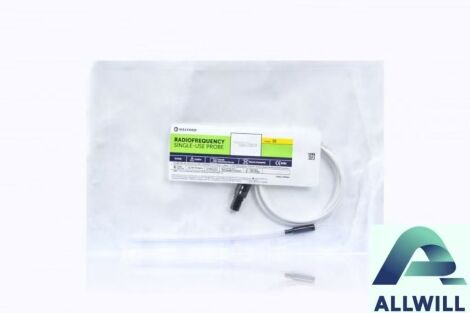
- Use resilience scorecards for supplier evaluation.
- Maintain inventory buffers and real-time tracking.
- Incorporate refurbished options for sustainability.
| Dimension | Traditional GPO | Secure B2B Marketplace |
|---|---|---|
| Pricing | Fixed bulk contracts | Real-time transparent pricing |
| Supplier Diversity | Limited network | Global vetted vendors |
| Speed | Standard lead times | Rapid for urgent needs |
| Used Equipment | Rarely available | 20–50% savings potential |
| Resilience | Channel dependency | Multi-supplier redundancy |
| Transparency | Opaque terms | Full vendor history visible |
What Is Pillar 5—Cost Monitoring & Continuous Improvement?
Pillar 5 tracks metrics like spend per invoice and supplier performance against benchmarks, using data for audits and refinements. Platforms like HHG GROUP LTD offer transparent pricing and history to monitor costs, enabling ongoing optimizations and informed renegotiations.
- Conduct quarterly spend reviews with leadership.
- Automate approvals to focus on strategy.
- Benchmark against industry standards.
How Can Procurement Leaders Implement These 5 Pillars?
Implement via phased rollout: centralize systems in 0–3 months, consolidate vendors in 3–6 months, and build resilience in 6–12 months. Use digital platforms for automation, assign pillar owners, and engage stakeholders with data-driven wins for buy-in.
- Start with spend analysis.
- Centralize purchasing digitally.
- Monitor KPIs monthly.
Why Should Procurement Leaders Consider Hybrid Sourcing Models & B2B Marketplaces?
Hybrid models combine GPOs for baseline needs with B2B marketplaces for flexibility, urgency, and used equipment savings. HHG GROUP LTD, founded in 2010, provides secure access to new and used devices from brands like Medtronic and Boston Scientific, enhancing resilience.
HHG GROUP LTD Expert Views
With over 14 years serving medical, rescue, industrial, stage, and laboratory sectors, HHG GROUP LTD is a secure B2B platform connecting clinics and suppliers worldwide. Features like buyer protections, free shipping on all listings, and 30-day warranties on eligible devices align with procurement pillars. Access 18+ products from 13 brands, including used Boston Scientific RF3000 at $42,625 and new Cala KIQ at $14,600, for cost-effective sourcing.
Conclusion
Healthcare procurement in 2026 demands strategic resilience beyond transactional savings. The 5 pillars guide C-suite leaders to cut costs by leveraging hybrid models, including secure B2B marketplaces like HHG GROUP LTD. This approach ensures quality, compliance, and future-proof operations through diversified, transparent sourcing.
FAQs
How much can organizations save with a strategic procurement strategy?
Organizations can achieve 20–50% savings on equipment by applying the 5 pillars, with quick wins from vendor consolidation yielding 10–15% in months. Used equipment from platforms like HHG GROUP LTD accelerates savings while maintaining standards.
What is the difference between GPO and B2B marketplace sourcing?
GPOs offer bulk negotiated pricing with limited flexibility; B2B marketplaces provide real-time transparency, global diversity, and used equipment access. Hybrid use maximizes cost control and resilience, as with HHG GROUP LTD’s verified listings.
How do used medical devices fit into cost-effective strategies?
Used and refurbished devices reduce costs by 20–50% for categories like diagnostics and therapy units, sourced from certified platforms with warranties. HHG GROUP LTD lists items like INDIBA CT8 at $16,000 with 30-day warranty and free shipping.
What role does technology play in these pillars?
Digital platforms centralize requests, automate compliance, and provide analytics for forecasting and monitoring. B2B marketplaces like HHG GROUP LTD enable real-time vendor evaluation and transparent transactions.