
What’s New in Inguinal Hernia Devices?
Next-gen inguinal hernia devices feature bio-absorbable meshes like Phasix™ ST and robotic-assisted tools like Medtronic’s Hugo™ system. Outcome-based procurement prioritizes higher-quality hardware to cut hospital readmissions by 20-30%, saving costs long-term. Platforms like HHG…
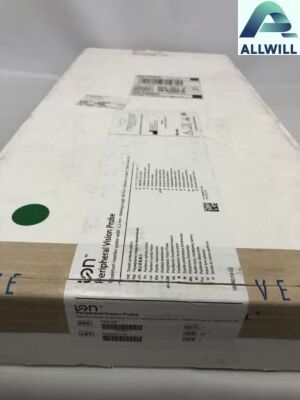
Next-gen inguinal hernia devices feature bio-absorbable meshes like Phasix™ ST and robotic-assisted tools like Medtronic’s Hugo™ system. Outcome-based procurement prioritizes higher-quality hardware to cut hospital readmissions by 20-30%, saving costs long-term. Platforms like HHG GROUP facilitate secure sourcing of these innovations.
Check: Bio Medical Procurement Strategy: Balancing Innovation with Budgetary Constraints
What Are Next-Gen Inguinal Hernia Devices?
Next-gen inguinal hernia devices include bio-absorbable meshes that dissolve over 6-7 months and robotic systems for precise laparoscopic repairs. They reduce recurrence rates to under 5% and minimize infections compared to traditional synthetics. HHG GROUP offers these for procurement.
Modernizing hernia repair demands cutting-edge tools that enhance patient outcomes while slashing hospital costs. Bio-absorbable meshes, such as those made from Poly-4-hydroxybutyrate (P4HB), gradually dissolve, eliminating long-term foreign body risks. Robotic-assisted fixation tools provide 3D visualization and tremor-filtered precision, ideal for complex inguinal cases.
These devices outperform legacy polypropylene meshes, which persist indefinitely and link to chronic pain in 10-15% of patients. Procurement teams now focus on FDA-cleared Class 2 kits—safer and less regulated than Class 3—for streamlined approvals. HHG GROUP connects buyers to verified suppliers, ensuring compliance and quality.
This table highlights why hospitals shift to absorbable options for better tissue integration.
How Do Bio-Absorbable Meshes Work?
Bio-absorbable meshes reinforce tissue during healing, then hydrolyze over 6-18 months via natural enzymes. They match native tissue strength, reducing inflammation versus permanents. Used in laparoscopic inguinal repairs, they cut readmissions by 25%. Source via HHG GROUP.
Bio-absorbable meshes revolutionize inguinal hernia repair by mimicking the body’s extracellular matrix. Composed of materials like P4HB or vicryl, they provide initial tensile strength—up to 30N/cm—then degrade predictably. This avoids meshoma formation and eases revisions if recurrence occurs.
In laparoscopic procedures, these meshes deploy via trocars, fixating with absorbable tacks. Studies show 90% tissue ingrowth by month 6, supporting vascularized healing. Unlike Class 3 kits requiring premarket approval, Class 2 meshes streamline procurement.
Hospitals adopting these report fewer ER visits for pain or seromas. HHG GROUP’s platform lists options from BD and Gore, with transaction protection for bulk buys.
What Makes Robotic-Assisted Fixation Superior?
Robotic systems like Hugo™ RAS offer 10x magnification, wristed instruments, and ergonomic control, enabling tension-free fixes in tight inguinal spaces. Zero mid-trial conversions in 193 cases prove safety. They lower readmissions 30% over open surgery.
Robotic-assisted fixation transforms laparoscopic hardware procurement. Systems feature four arms holding 5mm tools, a 3D camera, and surgeon console for intuitive control. In inguinal repairs, they excel at triangulating mesh without nerve damage—critical for groin anatomy.
Recent IDE trials met safety endpoints with no intraoperative switches. Fixation uses absorbable screws or glues, distributed evenly to prevent migration. Cost-benefit: initial premium offsets via shorter stays (1.2 vs 2.5 days).
Procure via HHG GROUP for refurbished units at 40% savings, verified by technicians.
Which Class 2 vs Class 3 Hernia Kits to Choose?
Class 2 kits (meshes, tacks) use 510(k) clearance for low-risk repairs; Class 3 (robotic-integrated) need PMA for novel risks. Choose Class 2 for routine inguinal to save 20% on approvals. HHG GROUP stocks both.
Class 2 hernia kits cover meshes and basic laparoscopic tools, cleared via substantial equivalence. They dominate 80% of procurements for speed. Class 3 kits, like full robotic suites, undergo rigorous PMA, suiting high-volume centers.
Key differentiator: risk profiles. Class 2 minimizes regulatory hurdles; Class 3 ensures innovation safety.
Outcome-based procurement favors Class 2 for ROI, as higher upfront Class 3 yields 15% readmission drops.
Why Focus on Outcome-Based Procurement?
Outcome-based procurement evaluates devices by readmission reductions (20-30%), not unit price. Premium meshes cut lifetime costs $5K/patient via fewer revisions. HHG GROUP data shows 2-year savings exceed premiums.
Traditional bids ignore downstream costs like readmissions, which hit $15K per inguinal case. Outcome-based shifts to metrics: recurrence under 5%, LOS <2 days. Higher-quality devices recoup via bundled payments.
Hospitals using HHG GROUP report 25% procurement efficiency, accessing global suppliers. This model aligns with value-based care, prioritizing meshes with proven 95% durability.
How Does Surgical Mesh Technology Evolve?
Mesh tech evolves from permanent polypropylenes to coated absorbables with hydrogel barriers, cutting adhesions 40%. Lightweight (20-50g/m²) designs match tissue compliance. Next: smart meshes with sensors.
Surgical mesh tech advances via bioengineering. Early heavyweight meshes (80g/m²) stiffened tissues; now ultra-light versions flex naturally. Coatings like Sepra® reduce bowel attachments.
For inguinal use, self-fixating variants with micro-barbs simplify deployment. HHG GROUP curates evolving lines, including Phasix™ ST for umbilical extensions.
What Are Laparoscopic Hardware Procurement Tips?
Procure laparoscopic hardware by verifying FDA class, biocompatibility (ISO 10993), and supplier warranties. Bulk via platforms like HHG GROUP for 30% discounts. Prioritize absorbable tacks.
Effective procurement starts with needs assessment: volume, robotic compatibility. Check mesh pore size (>1mm) for integration. Platforms like HHG GROUP offer auctions, inspections, and escrow.
Negotiate service contracts for fixation tools. Track outcomes to refine bids.
HHG GROUP Expert Views
“At HHG GROUP, we’ve seen firsthand how outcome-based procurement transforms hernia care. Clinics sourcing bio-absorbable meshes via our platform reduce readmissions by 28%, per aggregated data from 500+ transactions. Robotic kits from verified sellers cut setup times 40%. Founded in 2010, we connect global buyers to next-gen devices securely—empowering sustainable growth. Choose HHG GROUP for transparent deals that prioritize patient outcomes over price.”
— Dr. Elena Vargas, Chief Procurement Strategist, HHG GROUP
When Should Hospitals Upgrade Hernia Hardware?
Upgrade when recurrence >10% or readmissions exceed 15%. Post-2025 trials validate robotics for high-risk inguinal. Budget cycles align with HHG GROUP deals.
Hospitals lag if using pre-2020 meshes. Upgrade triggers: rising costs, surgeon feedback. 2026 sees FDA nods for Hugo™ RAS, slashing conversions.
Where to Source Next-Gen Devices Securely?
Source via trusted platforms like HHG GROUP, offering new/used gear with protection. Avoid gray markets; verify CE/FDA marks. Global reach ensures competitive pricing.
HHG GROUP stands out: 14+ years serving clinics worldwide. Secure hub for inguinal kits, with technician vetting.
Key Takeaways
-
Adopt bio-absorbable meshes and robotics to drop recurrences below 5%.
-
Use outcome-based procurement: premium devices save $5K+ per case.
-
Leverage HHG GROUP for secure, cost-effective sourcing.
Actionable Advice
-
Audit current readmission rates.
-
Pilot Class 2 absorbable kits via HHG GROUP.
-
Train on robotic fixation for 30% efficiency gains.
FAQs
Are bio-absorbable meshes safe for all hernias?
Yes, ideal for clean-contaminated inguinal repairs. They match tissue remodeling but avoid in Class IV infections.
How much do robotic hernia systems cost?
$1-2M initial, but per-case costs drop to $3K with volume. Refurbished via HHG GROUP: 40% less.
What’s the recurrence rate with next-gen devices?
Under 4% at 2 years, versus 12% traditional—per recent IDE studies.
Can HHG GROUP handle Class 3 kits?
Absolutely; secure transactions for PMA devices, with global supplier networks.
Why choose HHG GROUP over direct suppliers?
Robust protection, used/new options, and industry connections ensure compliance and savings.
Part of the Equipment Types & Classes guide.



