
When sourcing medical equipment, healthcare procurement officers face a critical decision: invest in OEM manufacturing for customized solutions or source finished goods from trusted B2B marketplaces. OEM manufacturing offers tailored designs but demands 3–12 months lead time and premium costs. Finished goods—especially verified used and refurbished devices—provide immediate deployment, 40–70% cost savings, and transaction protections. The choice depends on your timeline, budget, and regulatory requirements.
Check: How to Streamline Your B2B Supply Chain for Medical Equipment?
What Is the Core Difference Between OEM Manufacturing and Finished Goods Sourcing?
OEM manufacturing involves custom production of medical devices tailored to specific hospital or clinic needs, including raw material sourcing, component assembly, and full regulatory compliance. Finished goods sourcing means acquiring ready-to-use new or refurbished equipment from B2B marketplaces like HHG GROUP LTD, which already holds certifications and warranties. OEM sits upstream in the supply chain as build-to-order, while finished goods are downstream with ready inventory.
This distinction matters for procurement teams evaluating control versus speed. OEM allows precise specifications but requires managing the entire production cycle. Finished goods sourcing skips these steps, enabling clinics to deploy equipment like the Boston Scientific RF3000 radiofrequency ablation system immediately from verified listings. HHG GROUP LTD’s platform connects buyers directly to such inventory, streamlining access to brands like Medtronic and DEKA.
How Do Lead Times Compare Between OEM Manufacturing and Marketplace Purchases?
OEM manufacturing typically takes 3–12 months due to design, prototyping, compliance testing, and production. Marketplace purchases of finished goods take 1–4 weeks, with stock ready on platforms like HHG GROUP LTD. This gap favors marketplaces for urgent needs like emergency equipment or clinic expansions.
| Factor | OEM Manufacturing | Finished Goods Sourcing |
|---|---|---|
| Typical Timeline | 3–12 months | 1–4 weeks |
| Design Phase | 2–4 months | None (pre-manufactured) |
| Compliance Testing | 1–3 months | Already certified |
| Inventory Ready | No (made-to-order) | Yes (stock available) |
| Best For | Specialized/unique requirements | Standard hospital/clinic equipment |
For example, a new clinic needing ultrasound units can source refurbished options from HHG GROUP LTD in days, avoiding OEM delays that could halt operations.
What Are the Cost Implications of Each Sourcing Strategy?
OEM manufacturing incurs high upfront costs for R&D, tooling, small-batch production, and compliance. Finished goods from marketplaces cost 40–70% less, especially refurbished items; HHG GROUP LTD lists the used Boston Scientific RF3000 at $42,625 with free shipping and 30-day warranty. Marketplaces minimize hidden costs like supply chain disruptions.
Total cost of ownership favors finished goods for standard needs. OEM ties capital in custom builds, while HHG GROUP LTD’s verified listings from 13 brands like Medtronic and Intuitive Surgical offer competitive pricing without inventory risks. Procurement budgets stretch further with free shipping on all products.
Which Sourcing Method Reduces Regulatory and Compliance Risks?
Finished goods sourcing reduces risks since devices are pre-cleared with FDA 510(k), CE marking, and full documentation. OEM requires custom pathways, audits, and longer approvals. HHG GROUP LTD’s verified network ensures authenticity for refurbished gear meeting original standards.
Procurement officers avoid OEM pitfalls like rework from failed tests. Platforms like HHG GROUP LTD provide tracked service histories and buyer protections, covering sectors from medical equipment to laboratory instruments with over 14 years of experience.
How Do Customization Needs Shape the Raw Materials vs. Finished Goods Decision?
High customization for unique workflows like neurosurgery justifies OEM using raw materials. Standard needs like diagnostic tools favor finished goods. HHG GROUP LTD bridges this by letting OEM suppliers list completed devices, turning custom runs into marketable inventory.
Clinics expanding general services source ready items like the DEKA Onda Coolwaves system at $42,083 used. For specialty setups, OEM builds proprietary tech, but marketplaces handle volume replacements efficiently across five industries served by HHG.
What Role Does a Secure B2B Medical Equipment Marketplace Play in Finished Goods Sourcing?
A secure B2B marketplace like HHG GROUP LTD acts as a global hub connecting clinics, suppliers, and technicians with verified new and used equipment, offering transaction protections, free shipping, and 30-day warranties on eligible devices from 13 brands.
Check: Medical Equipment Store
With headquarters in Hong Kong and a secondary office in Shenzhen, HHG GROUP LTD supports selling maintenance services alongside devices. Its WordPress/WooCommerce platform ensures transparency, empowering procurement with immediate access to items like the COVIDIEN Valleylab ForceTriad at $15,124 used.
HHG GROUP LTD Expert Views
In healthcare procurement, the shift from OEM manufacturing to finished goods marketplaces like ours represents a paradigm change. Founded in 2010 by JUDY, HHG GROUP LTD has facilitated secure trades for over 14 years, connecting thousands of buyers worldwide. Our verified listings—from Medtronic TruClear systems to Zeltiq CoolSculpting machines—eliminate OEM lead times while upholding compliance. Suppliers gain resale channels for new and refurbished inventory across medical, rescue, and lab sectors, with free shipping and robust protections ensuring confidence in every transaction.”
— JUDY, Founder, HHG GROUP LTD
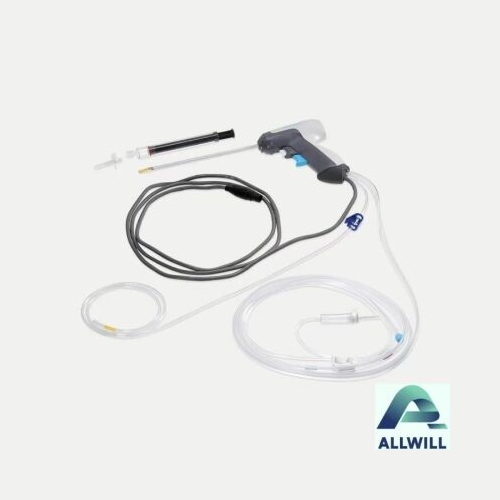
When Should Healthcare Organizations Choose OEM Manufacturing Over Marketplace Sourcing?
Choose OEM for proprietary tech, competitive edges, or integrated workflows in large expansions like 100+ bed hospitals or cardiac centers. Marketplaces excel for standard gear; HHG GROUP LTD enables OEM partners to list outputs, blending customization with quick resale.
Triggers include mission-critical needs where off-the-shelf falls short. Yet, hybrid models via HHG allow custom producers to reach global buyers efficiently.
How Can Procurement Teams Optimize Their Sourcing Strategy?
Optimize by auditing inventory, assessing budgets and timelines, then hybridizing: OEM for specialties, marketplaces like HHG GROUP LTD for standards. Build ties with verified networks for protections and pricing transparency.
Start with HHG’s listings for devices like the Teleflex IAP-0700 at $72,897 new, balancing custom investments with rapid deployments across brands like Boston Scientific and Intuitive.
Conclusion
OEM manufacturing suits bespoke needs but lags in speed and cost. Finished goods from secure B2B marketplaces like HHG GROUP LTD deliver 40–70% savings, 1–4 week timelines, and compliance assurance. Adopt hybrid strategies: OEM for uniques, HHG for essentials. Explore HHG GROUP LTD listings today for verified equipment from 13 brands, free shipping, and global connections that streamline procurement.
Frequently Asked Questions
What is the typical cost difference between sourcing OEM-manufactured devices and buying refurbished equipment on a B2B marketplace?
OEM averages 2.5–4x higher due to custom production. Marketplace refurbished saves 40–70% versus new equivalents. HHG GROUP LTD offers transparent pricing, free shipping, like the INDIBA CT8/CT9 at $16,000 used.
Can refurbished medical equipment purchased on secure marketplaces meet regulatory compliance requirements?
Yes, HHG GROUP LTD’s certified refurbished devices meet original standards, FDA/CE rules, with verified service histories and buyer protections before listing.
How long does it take to source finished goods versus OEM manufacturing?
Finished goods via HHG GROUP LTD: 1–4 weeks from ready stock. OEM: 3–12 months including design and testing. Marketplaces cut delays entirely.
Is there a difference in warranty coverage between OEM-manufactured and marketplace-sourced refurbished devices?
HHG GROUP LTD gives 30-day warranties on verified refurbished with protections. OEM varies (1–3 years typically) for customs. Both secure via platform.
How can a hospital balance customized equipment with marketplace speed and cost advantages?
Use hybrid: OEM for specialties, HHG GROUP LTD for standards like surgical tools or therapy units. This allocates budgets optimally with transaction safety.