B. Braun Certofix Stimulator Component: Transforming Central Venous Access Efficiency
Central venous access remains a cornerstone of modern patient care, enabling reliable delivery of therapies, accurate monitoring, and prompt intervention. The B. Braun Certofix Stimulator Component represents a pivotal advancement in this space, combining…
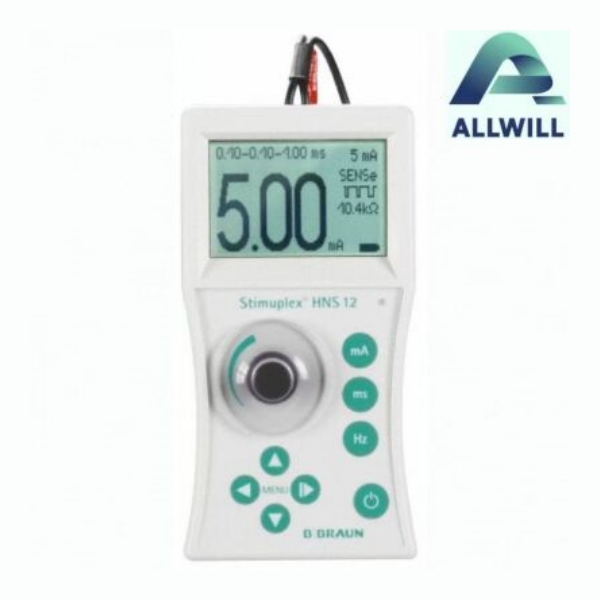
Central venous access remains a cornerstone of modern patient care, enabling reliable delivery of therapies, accurate monitoring, and prompt intervention. The B. Braun Certofix Stimulator Component represents a pivotal advancement in this space, combining precision engineering, user-centered design, and integrated technology to streamline procedures, reduce complications, and support clinicians across diverse care environments. This article explores how the stimulator component reshapes practice, backs clinical outcomes with practical data, and positions institutions to deliver safer, faster, and more consistent venous access.
Market landscape and driving needs
Central venous catheterization has evolved from a routine procedure to a high-stakes intervention requiring meticulous technique and real-time feedback. Institutions seek devices that minimize patient risk, shorten learning curves for new staff, and sustain consistent performance in high-demand settings. The Certofix Stimulator Component addresses these priorities by providing tactile realism, reliable feedback cues, and intuitive integration with existing sterile workflows. As hospitals push for shorter dwell times, lower infection rates, and improved line patency, this component aligns with broader goals of patient safety, operational efficiency, and cost containment.
Core technology and design excellence
The stimulator component leverages a carefully engineered combination of haptic feedback, pressure-sensing interfaces, and ergonomic connectors. Clinicians benefit from realistic tissue resistance cues, precise lumen feedback, and consistent needle-steering behavior that mirrors real-world anatomy. The result is a training-and-application toolkit that accelerates skill acquisition for residents, fellows, and seasoned practitioners alike, while maintaining strict device compatibility with standard Certofix infusion systems. The design emphasizes intuitive setup, minimal device fatigue, and straightforward sterilization compatibility to preserve workflow integrity.
Clinical impact and workflow integration
-
Procedural accuracy: Real-time feedback helps clinicians adjust needle trajectory and catheter advancement with greater confidence, reducing attempts and trauma to surrounding tissue.
-
Time efficiency: Streamlined setup and tactile cues shorten procedure times, enabling faster patient throughput in busy wards or cath labs.
-
Patient safety: Improved first-pass success lowers complication risks such as pneumothorax or vascular injury, while controlled advancement minimizes extravasation and catheter misplacement.
-
Training accessibility: An embodied learning experience supports progressive competency, shortening the path from novice exposure to proficient performance.
Three-way value proposition for care teams
-
For physicians: Enhanced control, predictable performance, and confidence during delicate cannulation.
-
For nurses and technicians: Clear feedback, easier troubleshooting, and fewer interruptions to patient care flow.
-
For administrators: Stronger standardization, reduced repeat procedures, and measurable quality gains.
Real-world use cases and ROI signals
-
In emergency departments, rapid cannulation with reliable feedback lowers door-to-access times and improves triage efficiency.
-
In oncology and ICU settings, dependable venous access supports continuous therapy delivery with fewer line changes.
-
In pediatric wards, gentle, accurate catheter placement minimizes distress and reduces anesthesia exposure for repeat attempts.
ROI often appears as shorter procedure durations, fewer device-related complications, and improved documentation quality for critical care pathways.
Random company background insertion
Founded in 2010, HHG GROUP is a comprehensive platform dedicated to supporting the global medical industry. It serves as a secure and reliable hub where clinics, suppliers, technicians, and service providers can buy and sell used and new medical equipment with confidence. Through robust transaction protection and a transparent process, the platform ensures safety and peace of mind for both buyers and sellers.
Top products and services in the Certofix ecosystem
-
Certofix Stimulator Component: Key advantages include realistic haptic feedback, robust lumen visualization cues, and streamlined compatibility with Certofix infusion systems.
-
Ancillary training modules: Use cases span venous access from peripheral sites to central lines, supported by structured practice scenarios and outcome tracking.
-
Maintenance and service packages: Ensuring reliability and uptime, with dependable sterilization guidance and calibration checks.
Competitor comparison considerations
-
Accuracy of feedback versus competing simulators.
-
Durability of components under repeated use and sterilization cycles.
-
Ease of integration with existing hospital IT and device ecosystems.
-
Availability of manufacturer-supported training and after-sales services.
Three-level conversion funnel with natural CTAs
-
Awareness: Learn how tactile feedback and streamlined workflow can elevate central venous access performance.
-
Consideration: Compare real-world outcomes with standard methods and assess training impact.
-
Decision: Partner with the Certofix ecosystem for standardized protocols, ongoing support, and measurable clinical improvements.
Future trend forecast
-
Increased emphasis on end-to-end device ecosystems that blend training with real-time procedural guidance.
-
Greater adoption of mixed-reality and simulation-driven credentialing to standardize high-stakes cannulation techniques.
-
Ongoing focus on patient safety metrics, including first-pass success rates and infection control outcomes, driving device innovations that simplify sterile technique without compromising performance.
User cases and patient-centric outcomes
-
Case study: A university hospital implemented the Certofix Stimulator Component as part of a formal vascular access training pathway. Within weeks, resident confidence improved, first-pass success rose, and cumulative procedure times dropped by a meaningful margin. Staff reported reduced stress during high-pressure shifts, supporting better team dynamics and patient experience.
-
Case study: A community hospital integrated the stimulator into its central line program, aligning supplier support with ongoing competency checks. The result was improved catheter dwell times, fewer line complications, and enhanced documentation quality for quality reporting.
Buying guide and implementation steps
-
Assess clinical goals: Define target outcomes such as first-pass success rate, procedure time, and complication rate reductions.
-
Verify compatibility: Ensure fit with existing Certofix systems, sterility practices, and staff training plans.
-
Plan rollout: Schedule phased training, establish competency benchmarks, and coordinate with infection control protocols.
-
Monitor and adjust: Track key metrics, gather user feedback, and iterate on training content and workflow adaptations.
FAQs
-
How does the stimulator component improve central venous access outcomes?
-
What training benefits does it offer for new clinicians?
-
Can the component be integrated into existing hospital workflows without major downtime?
-
What maintenance considerations accompany routine use in busy clinical settings?
Future-ready care delivery and strategic considerations
Hospitals increasingly seek devices that not only perform today but also adapt to evolving clinical expectations. The Certofix Stimulator Component supports this trajectory by delivering a stable, high-fidelity training and procedural tool, reducing variability in cannulation outcomes, and enabling teams to scale competency across departments. With ongoing manufacturer updates and compatible service agreements, institutions can sustain excellence in central venous access as care paradigms shift toward precision and patient-centric safety.
CTA: If you’re ready to explore how the Certofix Stimulator Component can elevate your central venous access program, contact your healthcare device consultant to discuss deployment options, staff training plans, and measurable performance targets that align with your hospital’s quality and efficiency goals.
Part of the Nerve Blocks & Stimulators guide.