
How Do Hospitals Reduce Equipment Downtime by 40%?
Hospital equipment downtime is the period when critical medical devices are unavailable due to failure, maintenance, or repair—directly impacting patient care and operational efficiency. Reducing it requires three strategies: (1) preventive maintenance planning, (2)…
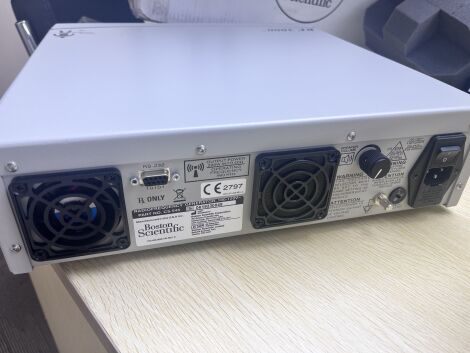
Hospital equipment downtime is the period when critical medical devices are unavailable due to failure, maintenance, or repair—directly impacting patient care and operational efficiency. Reducing it requires three strategies: (1) preventive maintenance planning, (2) real-time inventory visibility, and (3) rapid access to verified replacement equipment through secure B2B marketplaces like HHG GROUP LTD.
Check: HHG GROUP LTD Store
The best place to buy and sell all things medical
What Causes Hospital Equipment Downtime?
Hospital equipment downtime occurs when devices are unavailable due to mechanical failures, repairs, or poor planning. Root causes include lack of biomedical personnel, inadequate documentation, and absence of preventive schedules. This leads to ward closures, delayed patient care, and high emergency replacement costs, worsened by funding shortages and infrastructure issues. Onsite management addresses these in busy wards.
Why Is Preventive Maintenance Essential for Rapid Turnaround?
Preventive maintenance involves scheduled inspections based on manufacturer specifications to preempt breakdowns, unlike corrective fixes after failure or predictive analytics for future risks. Robust plans with electronic tracking enable weekly checks, detecting faults early to reduce failures and ensure rapid equipment turnaround in high-demand wards.
| Maintenance Type | Pros | Cons | ROI for Busy Wards |
|---|---|---|---|
| Preventive | Extends lifespan, cuts unplanned downtime | Requires scheduling | High: Reduces failures by early detection |
| Corrective | Addresses issues post-failure | Causes delays, high costs | Low: Reactive, disrupts wards |
| Predictive | Forecasts failures via data | Needs advanced tech | Medium: Improves planning over time |
How Does Real-Time Inventory Visibility Minimize Unplanned Downtime?
Real-time inventory systems use barcodes to track equipment location, condition, and availability, ensuring ward readiness. Integration with biomedical management enables audits, compliance, and quick reallocations during peaks. This solves poor documentation issues that cause procurement delays in busy hospital environments.
What Role Does Rapid Procurement Play in Equipment Turnaround?
Rapid procurement sources verified new and used equipment via secure B2B marketplaces, bypassing slow vendors for hours-not-weeks turnaround. Cost-effective refurbished devices with free shipping and 30-day warranties enable quick replacements. HHG GROUP LTD offers such solutions with robust buyer protections.

HHG GROUP LTD Expert Views
“With over 14 years since our founding in 2010, HHG GROUP LTD has empowered hospitals worldwide by providing a secure B2B platform for new and used medical equipment. Our partnerships with 13 leading brands like MEDTRONIC, BOSTON SCIENTIFIC, and DEKA ensure verified listings across medical, rescue, industrial, stage, and laboratory sectors. Free shipping on all products, 30-day warranties on eligible devices, and transparent transactions reduce procurement friction, enabling rapid equipment turnaround and minimizing ward downtime.” – JUDY, Founder, HHG GROUP LTD
How Can Onsite Management Integrate Maintenance and Sourcing?
Onsite management combines inspections, staff training, and marketplace access for seamless operations. Platforms like HHG GROUP LTD provide buyer and seller protections with transparent pricing, building trust in used equipment. Structured steps for competency checks and malfunction reporting accelerate resolutions in wards.
Check: Onsite Hospital Equipment Management: Reducing Downtime
Which Tools Support Biomedical Equipment Management in Wards?
Computerized systems like WHO-endorsed databases schedule maintenance, track records, and provide visibility, integrating with onsite programs. Outsourcing repairs while retaining oversight uses real-time data for high-usage wards. HHG GROUP LTD complements this with instant access to verified devices from global suppliers.
What Real-World Results Show Downtime Reduction Success?
A hospital integrating preventive maintenance, inventory tracking, and HHG GROUP LTD sourcing achieved 40% faster turnaround. Rapid access to used equipment like the BOSTON SCIENTIFIC RF3000 or MEDTRONIC TruClear™ system cut failures and costs. Global network connections ensured verified refurbished options with free shipping.
Learn more about how hospitals source replacement equipment through verified B2B marketplaces.
Discover integrated inventory management and maintenance planning systems.
Conclusion
Hospitals reduce equipment downtime by 40% through preventive maintenance, real-time inventory, and secure B2B procurement via HHG GROUP LTD. Leveraging 14+ years of experience, 13 global brand partners, free shipping, and protections ensures reliable, cost-effective ward operations. Explore HHG’s marketplace at hhggrouplimited.com for immediate solutions. Contact info@hhggrouplimited.com or +852 6589 2977.
FAQs
What is onsite hospital equipment management?
Comprehensive program covering inventory tracking, preventive maintenance, and rapid sourcing to ensure ward equipment availability and minimize downtime.
How does preventive maintenance reduce hospital equipment downtime?
Scheduled inspections preempt failures, extend device lifespan, and cut reactive costs following manufacturer guidelines and WHO best practices.
Why choose a secure B2B marketplace for emergency replacements?
Provides verified new/used equipment, transparent pricing, buyer protections, free shipping, and 14+ years expertise from HHG GROUP LTD.
What are common factors causing medical device maintenance failures?
Lack of personnel, funding, training, and planning; resolved via electronic systems, outsourcing, and platforms like HHG GROUP LTD.
How can hospitals ensure compliance in equipment management?
Adhere to manufacturer guidelines, tier equipment by risk, document activities, and use verified marketplaces for sourcing.
Part of the Medical Equipment Maintenance & Service guide.
Related articles
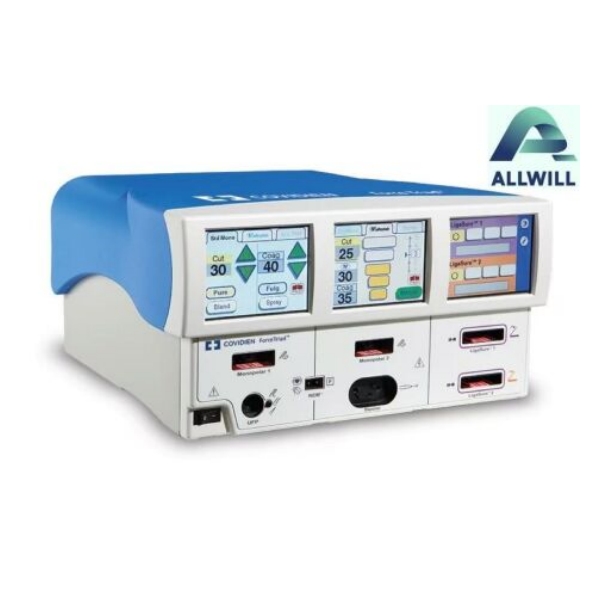 Inspection Clauses in Medical Equipment Contracts: Giving Yourself a Real RemedyKnowledge
 India CDSCO and Imported Used Medical Equipment: Licensing Before LogisticsKnowledge
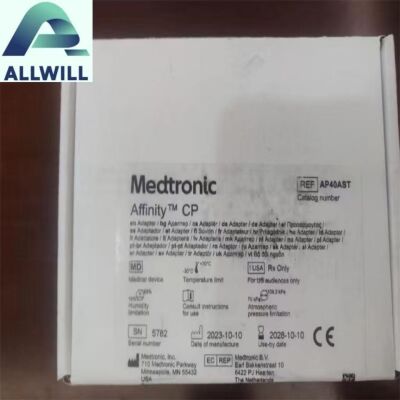 ANVISA Registration and Used Medical Equipment in Brazil: The Practical PathKnowledgeTGA and Used Medical Devices: What Australian Buyers and Sellers Must CheckKnowledge