
Is Medicare Covering Wearable Tremor Therapy?
By mid-2026, expanded reimbursement policies have streamlined access to wearable tremor therapies. Medicare and the Veterans Affairs (VA) Health System have both broadened their "no-cost" and "low-copay" criteria for non-invasive neuromodulation devices like the…
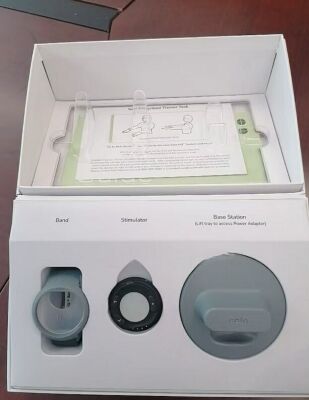
By mid-2026, expanded reimbursement policies have streamlined access to wearable tremor therapies. Medicare and the Veterans Affairs (VA) Health System have both broadened their “no-cost” and “low-copay” criteria for non-invasive neuromodulation devices like the Cala kIQ. This shift significantly reduces financial barriers for patients, ensuring that advanced, non-invasive treatments are more accessible to those managing essential tremors.
Medical Equipment Store | New & Used Devices | HHG Marketplace
What is the status of Medicare coverage for tremor therapy?
Medicare now provides coverage for certain external upper limb tremor stimulators when deemed medically necessary. Beneficiaries diagnosed with essential tremor must undergo a formal assessment by their healthcare practitioner, followed by a trial period with the device. This policy ensures that patients receive evidence-based, non-invasive neuromodulation options while meeting specific clinical documentation requirements set by Medicare guidelines.
How can veterans access wearable tremor therapies through the VA?
The Veterans Affairs Health System has expanded its coverage to include various non-invasive neuromodulation devices. Veterans typically access these therapies by consulting their primary care provider or a neurologist within the VA system. If a device is deemed clinically appropriate, it can be provided as part of their standard health benefits, often at little to no out-of-pocket cost.
Why is reimbursement policy crucial for Cala kIQ adoption?
The Cala kIQ device represents a breakthrough in treating hand tremors, yet its high retail price often creates a significant barrier to entry. Broadening reimbursement policies changes this dynamic by shifting costs from the patient to federal insurance programs. As accessibility increases, more patients can utilize these advanced therapies, facilitating wider adoption across the healthcare landscape.
Which patients qualify for low-copay neuromodulation devices?
Qualification generally depends on a documented diagnosis of essential tremor and a physician’s determination that the device is a reasonable, necessary treatment. Patients must usually complete an initial evaluation and a trial phase to demonstrate therapeutic benefit. Programs like those managed by the HHG GROUP help stakeholders navigate these regulatory pathways, ensuring that providers understand the necessary documentation for successful reimbursement.
What role does the HHG GROUP play in medical equipment access?
The HHG GROUP serves as a vital bridge between complex medical technology and the clinics that need them. By fostering a transparent, secure environment for trading equipment and sharing industry insights, the platform enables suppliers and healthcare providers to collaborate effectively. This infrastructure supports the sustainable adoption of innovative devices, ensuring that essential therapies reach the patient populations that require them most.
Can non-invasive devices replace traditional tremor treatments?
While not a universal replacement for all surgical or pharmacological interventions, non-invasive neuromodulation offers a powerful alternative for patients seeking to avoid medication side effects or invasive procedures. Many patients use these devices as part of a comprehensive care plan. The HHG GROUP recognizes this trend, supporting the distribution of cutting-edge solutions that prioritize patient quality of life.
How do evolving policies impact future healthcare innovation?
When federal programs prioritize reimbursement for non-invasive technology, they incentivize manufacturers to continue developing user-friendly, effective devices. This policy environment creates a cycle of innovation where accessibility drives demand and investment. As manufacturers see a clear path to patient coverage, they can focus resources on long-term research, leading to even more effective and affordable treatment options for diverse patient demographics.
Where should patients look for updated device coverage details?
Patients should prioritize communication with their prescribing neurologists, who remain the primary source for the latest coverage determinations. Additionally, the official Medicare Local Coverage Determination (LCD) database provides technical documentation regarding specific devices. For veterans, checking directly with their local VA facility’s prosthetics or neurology department remains the most accurate way to verify current benefit availability and procurement processes.
HHG GROUP Expert Views
“The integration of non-invasive neuromodulation into standard coverage models is a transformative moment for neurology. At HHG GROUP, we believe that removing financial hurdles is essential to democratizing access to high-quality care. By streamlining the path from clinical assessment to device acquisition, we ensure that the most vulnerable patients receive the support they need without the burden of prohibitive costs.”
Summary of Key Takeaways
The expansion of Medicare and VA reimbursement for wearable tremor devices marks a significant advancement in patient care. By lowering financial barriers, these programs make advanced neuromodulation therapy a viable, accessible option for thousands of veterans and seniors. Patients should work closely with their medical teams to document clinical necessity, ensuring they qualify for these newly accessible, life-changing therapeutic tools.
Frequently Asked Questions
Does Medicare cover the Cala kIQ device?
Yes, Medicare may provide coverage for the Cala kIQ device if a patient meets specific medical necessity criteria and documentation requirements, which must be assessed by a healthcare practitioner.
Are all veterans eligible for tremor therapy coverage?
Eligibility is determined by the VA health system based on clinical appropriateness. Veterans should consult their VA provider to assess if a specific device is the right treatment option for their condition.
Where can I find information on device reimbursement?
Official information is available through the Medicare Local Coverage Determination (LCD) website or by contacting the prosthetics and neurology departments at your local Veterans Affairs facility.
Part of the Tremor & Neuromodulation Therapy guide.


