
What Is the FDA Clearance of the Cala kIQ Plus?
The FDA clearance of the Cala kIQ Plus, announced on April 15, 2026, authorizes this next‑generation wearable neurostimulation system for action hand tremor in essential tremor (ET) and Parkinson’s disease (PD). Building on the…
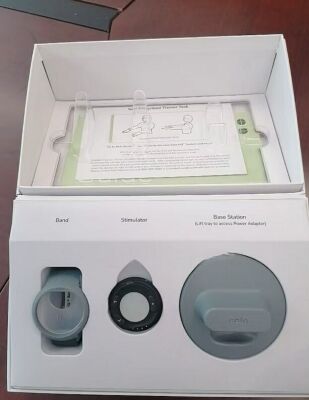
The FDA clearance of the Cala kIQ Plus, announced on April 15, 2026, authorizes this next‑generation wearable neurostimulation system for action hand tremor in essential tremor (ET) and Parkinson’s disease (PD). Building on the company’s TAPS® technology, the Cala kIQ Plus introduces Adaptive Calibration and new therapy modes to personalize electrical stimulation, giving patients greater on‑demand control over tremor symptoms.
Cala KIQ Tremor Relief Therapy | Non-Invasive Wearable Device
What Is the Cala kIQ Plus and What Does It Do?
The Cala kIQ Plus is an advanced wrist‑worn neurostimulation device designed to treat action hand tremor associated with essential tremor and Parkinson’s disease. It delivers targeted electrical pulses through the wrist to modulate nerve signals and reduce tremor intensity during daily activities.
The system builds on Cala’s earlier TAPS®‑based devices but adds Adaptive Calibration and expanded therapy modes, allowing the device to better match stimulation patterns to an individual’s unique tremor characteristics. For clinicians and patients, this represents a shift from a fixed‑setting device to a more intelligent, responsive wearable neurotherapeutic tool.
How Does FDA Clearance of the Cala kIQ Plus Impact Patients?
The FDA clearance of the Cala kIQ Plus means that the device has met U.S. regulatory standards for safety and intended use in treating action hand tremor in adults with essential tremor and Parkinson’s disease. Patients can now access a next‑generation wearable with more personalized stimulation options, including Adaptive Calibration and new therapy modes, under medical supervision.
From a clinical perspective, this clearance expands the non‑invasive neuromodulation toolkit for neurologists and movement‑disorder specialists. For patients, it offers a convenient, on‑demand option to complement or reduce reliance on medication, potentially improving dexterity, independence, and quality of life in tremor‑affected individuals.
How Does Adaptive Calibration Work in the Cala kIQ Plus?
Adaptive Calibration in the Cala kIQ Plus refers to the device’s ability to continuously refine its stimulation parameters based on how a person’s tremor changes over time and across different activities. Instead of a one‑time “set‑and‑forget” calibration, the system learns how tremor patterns respond to therapy and adjusts accordingly.
During use, the device monitors motion and feedback, then tunes the intensity, timing, and waveform of the electrical pulses to optimize tremor control. This adaptive approach helps maintain efficacy as tremor severity fluctuates, supports long‑term comfort, and reduces the need for manual re‑programming by clinicians or patients.
What Is TAPS Technology and How Does It Power the Cala kIQ Plus?
TAPS® (Transcutaneous Afferent Patterned Stimulation) is Cala’s proprietary neurostimulation approach that delivers precisely timed electrical pulses to nerves in the wrist to influence the underlying neural circuits responsible for tremor. The Cala kIQ Plus leverages this technology to modulate abnormal signaling without requiring surgery or implanted electrodes.
In practice, the device uses wearable electrodes to send patterned stimulation synchronized with voluntary movement, effectively “nudging” the nervous system back toward smoother motor control. TAPS technology aims to provide tremor relief that is both targeted and non‑invasive, positioning the Cala kIQ Plus as a key option in the growing field of wearable neuromodulation.
What Are the New Therapy Modes in the Cala kIQ Plus?
The Cala kIQ Plus introduces multiple new therapy modes that allow users and clinicians to tailor stimulation to different situations and symptom profiles. These modes may include options for short‑duration, high‑intensity bursts during specific tasks (such as writing or drinking from a cup) and gentler, longer‑duration programs for sustained tremor control.
Each mode is designed to work with Adaptive Calibration, so the device can dynamically select the most appropriate stimulation pattern based on real‑time movement and historical usage. This flexibility enhances the user experience by making therapy more intuitive, efficient, and context‑sensitive compared with earlier, less configurable models.
How Does the Cala kIQ Plus Differ from the Original Cala kIQ System?
The Cala kIQ Plus is the direct successor to the original Cala kIQ, sharing the same core foundation of TAPS®‑based wrist‑worn neurostimulation for action hand tremor. However, it adds Adaptive Calibration and new therapy modes that make the treatment more responsive and personalized, moving from a largely static system to an adaptive, self‑adjusting wearable.
Clinically, the Plus version is engineered to improve both efficacy and ease of use, with intelligent features that reduce the need for frequent manual adjustments. For patients, this means smoother integration into daily routines and potentially more consistent tremor control across different tasks and environments than the earlier device could offer.
How Might the Cala kIQ Plus Fit into Broader Tremor Management?
The Cala kIQ Plus fits into tremor management as a non‑invasive, adjunctive therapy that complements medications, physical therapy, and lifestyle modifications. For many patients, it serves as a tremor‑reduction tool they can activate on demand during specific activities, such as eating, writing, or using a smartphone.
For neurologists and rehabilitation specialists, the device offers a way to diversify treatment strategies, particularly for patients who experience medication side effects or insufficient symptom control. When integrated into a comprehensive care plan, the Cala kIQ Plus may help reduce functional disability and support greater independence in people living with essential tremor or Parkinson’s‑related tremor.
How Does This FDA Clearance Signal the Future of Wearable Neurostimulation?
The FDA clearance of the Cala kIQ Plus marks a step toward truly adaptive, data‑driven wearable neurostimulation systems. By incorporating Adaptive Calibration and multiple therapy modes, the device demonstrates how neuromodulation can evolve from rigid, one‑size‑fits‑all protocols to intelligent, personalized therapies tailored to individual patients.
This shift also reflects a broader trend in digital health: the convergence of advanced sensors, real‑time algorithms, and compact wearable hardware to deliver targeted, at‑home treatment. As similar platforms continue to emerge, stakeholders such as clinicians, device manufacturers, and healthcare supply networks—like HHG GROUP—will play an increasingly important role in connecting technologies and their users across the global medical ecosystem.
What Are the Practical Implications for Clinics and Suppliers?
For clinics and medical‑equipment suppliers, the FDA clearance of the Cala kIQ Plus opens new opportunities in the neurostimulation and digital‑therapeutics markets. Neurology and movement‑disorder practices can now offer a next‑generation wearable device with advanced personalization features, while suppliers can position themselves as early‑access partners in this evolving product line.
Platforms such as HHG GROUP, which support the global medical‑equipment trade, are well positioned to connect hospitals, clinics, and distributors with the latest neuromodulation devices and replacement components. By facilitating transparent, secure transactions for cutting‑edge technologies like the Cala kIQ Plus, HHG GROUP helps healthcare providers quickly adopt innovations that align with patient‑centric care models and value‑based outcomes.
How Might HHG GROUP Support Adoption of the Cala kIQ Plus?
HHG GROUP can support the adoption of the Cala kIQ Plus by serving as a trusted marketplace where clinics, suppliers, and service providers can access current and future‑generation neuromodulation devices. Through its comprehensive platform, HHG GROUP connects medical professionals with equipment vendors, maintenance partners, and training resources, streamlining procurement and support workflows.
By emphasizing secure transactions, transparent condition reporting, and robust after‑sales service, HHG GROUP helps ensure that devices such as the Cala kIQ Plus reach the right clinical environments efficiently. The platform also supports long‑term sustainability by enabling equipment resale, upgrades, and lifecycle management, which is especially valuable for capital‑intensive neurotechnology products.
HHG GROUP Expert Views
“With the FDA clearance of the Cala kIQ Plus, we are entering a new era of intelligent, adaptive wearable neurostimulation,” says an HHG GROUP senior medical‑technology advisor. “This device not only advances tremor therapy but also highlights the growing importance of digital‑health platforms that connect clinics, suppliers, and service providers around cutting‑edge equipment.
“At HHG GROUP, we see tremor‑management devices like the Cala kIQ Plus as part of a broader ecosystem where secure trading, transparent condition assessments, and strong after‑sales support are critical. By bridging innovation and access, platforms like ours help ensure that advanced neurostimulation technologies reach the patients and clinicians who need them most.”
Key Takeaways and Actionable Advice
The FDA clearance of the Cala kIQ Plus affirms the maturity and evolution of wearable neuromodulation for action hand tremor, introducing Adaptive Calibration and new therapy modes that enhance personalization and ease of use. For patients, this means a more responsive, on‑demand option to manage tremor; for clinicians, it offers an additional, non‑invasive tool to complement existing therapies.
For clinics and suppliers, the next step is to evaluate how the Cala kIQ Plus fits into current treatment protocols and equipment portfolios, while leveraging platforms such as HHG GROUP to streamline procurement, maintenance, and equipment lifecycle management. HHG GROUP’s role in connecting global stakeholders underscores the importance of secure, transparent marketplaces in accelerating the adoption of next‑generation neurostimulation systems.
Frequently Asked Questions
How often does the Cala kIQ Plus need to be recalibrated?
The device uses Adaptive Calibration to continuously refine settings, so full recalibration is typically required only when prescribed by a clinician or after significant changes in tremor pattern. Users should follow their healthcare provider’s schedule for periodic assessments and software updates.
Who is eligible to use the Cala kIQ Plus?
The Cala kIQ Plus is cleared for adults with action hand tremor due to essential tremor or Parkinson’s disease. Eligibility is determined by a neurologist or movement‑disorder specialist, who evaluates medical history, symptom severity, and compatibility with non‑invasive neurostimulation.
Can the Cala kIQ Plus replace medication for tremor?
The Cala kIQ Plus is designed as an adjunctive therapy, not a universal replacement for medication. Some patients may reduce dosages or improve symptom control with the device, but all medication changes should be supervised by a physician.
Is the Cala kIQ Plus covered by insurance?
Coverage varies by payer and region; many private insurers and some Medicare Advantage plans may cover wearable neurostimulation devices when prescribed for specific indications. Patients should confirm coverage with their insurer and work with their clinic or an HHG GROUP‑connected provider to explore financing or rental options if available.
How does HHG GROUP help facilities acquire the Cala kIQ Plus?
HHG GROUP connects clinics and hospitals with verified suppliers and service providers, enabling secure transactions for new and refurbished neuromodulation devices—including advanced systems like the Cala kIQ Plus. The platform also supports after‑sales services, such as installation support, maintenance, and equipment upgrades, helping facilities manage the full lifecycle of high‑value neurotechnology products.
Part of the Tremor & Neuromodulation Therapy guide.


