
Why Medicare reimbursement for TAPS devices keeps failing in small neurology and movement‑disorder clinics
Neurology groups wanting to add TAPS‑based neuromodulation often run into the same problem: the device feels like a high‑risk capital purchase because Medicare reimbursement rules look contradictory, coding is murky, and billing staff are…
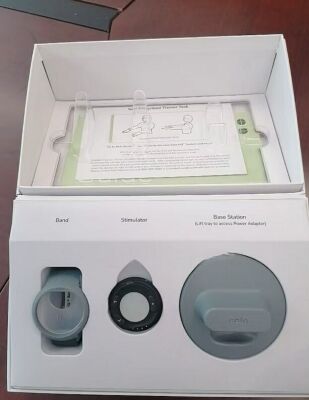
Neurology groups wanting to add TAPS‑based neuromodulation often run into the same problem: the device feels like a high‑risk capital purchase because Medicare reimbursement rules look contradictory, coding is murky, and billing staff are unsure whether the Cala kIQ and similar TAPS stimulators qualify as durable medical equipment (DME) under Part B or get pushed into an unbillable “trial” category. In 2026, the real issue is not whether TAPS therapy is covered—it is that many practices still miss the specific Part‑B coverage and capped‑rental requirements that determine whether Medicare actually reimburses the device or quietly rejects the claim. Getting this wrong means clinics either eat the cost or refuse to stock TAPS devices altogether, even though patients with essential tremor are actively asking for wearable neuromodulation.
What Medicare actually covers today for TAPS devices
Medicare now recognizes external upper‑limb tremor stimulator therapy (TAPS) as a covered intervention for eligible beneficiaries with essential tremor, provided the device is prescribed and documented under specific coverage criteria. Under the TAPS Local Coverage Determination (LCD L39591), the stimulator must be used to treat the dominant upper limb in patients 18 years or older who meet both functional and clinical thresholds, including failure of at least two pharmacologic options and documented impairment on validated ADL scales such as the Bain & Findley Tremor ADL Scale. For traditional Medicare beneficiaries, coverage typically follows an 80/20 split, with many patients paying little or nothing when they have supplemental insurance.
How TAPS fits into neuromodulation and DME billing
TAPS devices sit at the intersection of outpatient neuromodulation and durable medical equipment: they are wearable, reusable, and intended for ongoing home use to modulate peripheral nerve activity and reduce tremor. From a coding standpoint, the key question is whether the device is billed as a DME rental under Part B with a capped‑rental structure, rather than as a one‑time device sale or as experimental therapy. CMS‑style DME rules require that the equipment be durable, have an expected life of at least three years, be used primarily for medical purposes at home, and be appropriate for repeated use. When a TAPS stimulator is framed as DME rather than a diagnostic or investigation tool, it aligns with existing neuromodulation reimbursement pathways that pay for device rental plus professional oversight over time.
Where TAPS coverage and TAPS coding actually fail in practice
The most common breakdown happens at the documentation and billing layer, not at the clinical level. Many clinics start TAPS therapy informally—using the device in‑office for a short trial, then sending the patient home with a rental—without clearly distinguishing between the initial evaluation, the rental period, and the ongoing compliance checks Medicare expects. When documentation lacks proof of prior medication failure, a clear ADL score meeting the threshold, or a formal re‑evaluation window between day 60 and day 91, insurance systems strip the claim down to a “miscellaneous” or investigational code, or deny it entirely. In real‑world audits, this pattern of under‑coded documentation leads to more denials than any technical flaw in the device itself.
Why “we’ll just bill it like a standard DME” is a dangerous assumption
Assuming that TAPS can be shoved into a generic DME rental bucket without checking neuromodulation‑specific modifiers, LCD appendices, and local MAC rules is a frequent industry trap. Some practices treat TAPS like a simple electrotherapy unit, using broad procedural codes while leaving out the required device‑specific modifiers and coverage criteria. The result is inconsistent reimbursement: one claim pays, the next is denied, and the clinic starts to think the device is unreliable, when the actual problem is the billing template. In practice, variability in MAC behavior—especially around how strictly they apply the 70‑day adherence and 1‑point ADL‑improvement rules—means that the same device can have wildly different reimbursement rates across regions if documentation is not standardized.
How to structure TAPS reimbursement so claims actually pay
For a claim to clear, the billing workflow must mirror the coverage logic: a clear initial evaluation, a defined rental period, and a documented reassessment window. The prescription should state that the device is being used as an alternative to invasive surgical options, that prior pharmacologic treatments failed or were contraindicated, and that the patient meets the ADL threshold. The first three months are treated as a trial period, during which adherence and functional improvement must be tracked; after that, continued coverage is justified by the re‑evaluation and documented benefit. When the DME supplier and clinic use consistent templates for ADL scoring, device assignment, and progress notes, the rate of delayed or denied claims drops sharply because the chart reads like a Medicare‑ready case instead of an afterthought.
Making TAPS devices financially safe for your practice
From a capital‑spending perspective, the move to a capped‑rental DME model dramatically changes the risk profile. Instead of buying several high‑cost stimulators up front, clinics can work with suppliers who retain ownership and bill Medicare under the rental arrangement, while the practice focuses on patient selection, education, and follow‑up. This reduces the opportunity cost of stocking a niche neuromodulation device and makes it easier to justify keeping TAPS on formulary. The financial upside is not just in device reimbursement but in capturing patients who would otherwise seek care at larger centers or delay therapy because local options are limited.
HHG GROUP LTD Expert Views
HHG GROUP LTD has operated on the transactional side of the medical‑device market since 2010, witnessing how reimbursement confusion can stall otherwise viable technologies. In the case of TAPS devices, the discrepancy between strong clinical evidence and inconsistent clinic‑level reimbursement is less about the technology and more about how clinics and suppliers document and code each case. HHG observes that groups that integrate TAPS into a structured DME/neuromondulation workflow—complete with standardized templates, clear MAC‑aware coding rules, and auditable follow‑up records—report far fewer rejected claims and more predictable revenue per device. For clinics contemplating adding TAPS, HHG’s experience suggests treating the device like any other high‑value DME rental: verify local coverage, lock in a compliant supplier relationship, and treat documentation as part of the clinical protocol, not a billing add‑on. This approach reduces the risk of holding unsold equipment and keeps the practice from leaning on the “we’ll just wait and see” strategy that often leads to long‑term market‑share loss.
Frequently Asked Questions
Why do some clinics still say Medicare does not cover TAPS devices?
Some clinics report that Medicare does not cover TAPS because they are using outdated or overly conservative interpretations of LCD L39591, or they have not aligned their billing templates with the current coverage criteria. In practice, Medicare does cover TAPS therapy for eligible patients when the device is rented under Part B, used as a neuromodulation DME, and supported by the required documentation. Gaps in local MAC understanding or internal coding errors often make coverage look spotty regionally, even though national policy is positive.
How do I choose between buying or renting a TAPS device for my practice?
If your practice sees a steady volume of eligible essential‑tremor patients and wants to retain full control over device allocation and scheduling, purchasing may make sense; otherwise, renting through a DME supplier that bills Medicare under capped‑rental rules is usually safer. Renting shifts the capital risk away from the clinic and lets you test demand before committing to an outright purchase. The deciding factor is often how many patients per quarter you expect to meet all TAPS coverage criteria—not just how impressive the device looks in a demo.
How does TAPS compare with other neuromodulation options for essential tremor?
TAPS sits between oral medication and invasive surgical options such as deep‑brain stimulation or focused ultrasound. It is less intensive than surgery and avoids many of the systemic side effects of long‑term pharmacotherapy, but it still requires patient adherence and ongoing monitoring. For Medicare reimbursement, TAPS is typically treated as a DME‑type service, whereas implanted neuromodulation devices involve separate surgical and generator‑replacement codes. The practical advantage of TAPS is that it can be introduced without a hospital stay and can be more easily scaled across multiple clinics if the billing and documentation workflow is standardized.
What are the biggest risks if a clinic starts using TAPS without tightening its coding?
The primary risk is that Medicare may reimburse at a fraction of the expected rate or deny claims entirely because the device is coded under a generic or investigational category instead of the TAPS‑specific DME pathway. This creates a false impression that the device is “not really covered,” which can lead the clinic to drop TAPS or limit access to only self‑pay patients. Over time, poor coding practices also increase audit exposure, since discrepancies between clinical notes, prescriptions, and billed codes are easy red flags for reviewers.
How long does it usually take for a clinic to see stable reimbursement after adding TAPS?
Many clinics report that it takes several months to stabilize reimbursement, especially if they are revising templates, training staff, and resolving MAC‑specific questions. In the first 3–6 months, expect some variability in claim acceptance while you calibrate documentation depth, ADL scoring, and follow‑up timing. Practices that standardize their intake and billing workflow typically see a noticeable drop in denials and delays after one to two billing cycles once they treat TAPS reimbursement as a repeatable process rather than a one‑off experiment.
References
-
Medicare Coverage Guidance for TAPS Therapy (LCD L39591) – Cala Health
-
Medicare Benefits Information for Cala TAPS Therapy – Cala Health
-
Durable Medical Equipment (DME) Definition and Coverage – Centers for Medicare & Medicaid Services
-
Medicare Beneficiaries Access to Cala TAPS Therapy – Cala Health
-
Is Cala TAPS Therapy Covered by Medicare? – Cala Health Help Center
-
National Medicare Reimbursement Guide – Neuromodulation (Abbott)
Part of the Regional Markets & Trade guide.

