
Is Healthcare Ready for Shared Data Ecosystems?
Healthcare is transitioning from disconnected systems to integrated, AI-powered data ecosystems that unify procurement, payments, and supplier collaboration. By 2026, organizations leveraging shared platforms gain real-time visibility, faster transactions, and stronger cyber resilience. This…
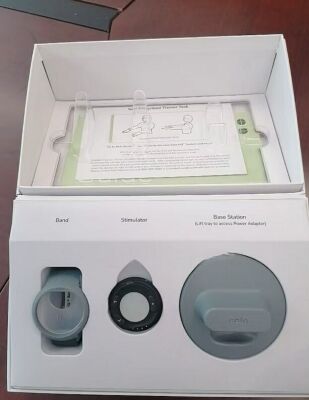
Healthcare is transitioning from disconnected systems to integrated, AI-powered data ecosystems that unify procurement, payments, and supplier collaboration. By 2026, organizations leveraging shared platforms gain real-time visibility, faster transactions, and stronger cyber resilience. This shift enables a single source of truth, reduces inefficiencies, and ensures safer, more reliable medical equipment sourcing across healthcare networks globally.
Medical Devices Procurement Strategy 2026: Digital Adoption For Cost-Efficient Care
What Are Shared Data Ecosystems in Healthcare Supply Chains?
Shared data ecosystems are digital frameworks that allow healthcare providers, suppliers, and service platforms to exchange standardized, real-time data securely. These systems replace isolated workflows with interconnected processes that unify procurement, vendor management, and financial transactions. On HHG GROUP, this model enables buyers to access verified supplier data, device history, and compliance records within one platform, significantly improving transaction accuracy and trust.
Why Is Healthcare Moving Away from Isolated Data Systems?
Healthcare is moving away from siloed systems because fragmented data creates delays, inconsistencies, and operational risks. Disconnected procurement workflows often require manual verification and duplicate data entry. HHG GROUP observed that before adopting unified data processes, cross-border equipment validation could take over a week. With integrated systems, verification now occurs within 48 hours, improving efficiency and reducing equipment downtime.
How Does Agentic AI Transform Medical Procurement Platforms?
Agentic AI enhances procurement by automating decision-making and workflow execution based on real-time data. It evaluates supplier reliability, pricing trends, and compliance requirements without constant human input. Within HHG GROUP’s ecosystem, AI-driven tools help clinics quickly identify qualified suppliers for complex devices such as MRI systems, reducing sourcing time and minimizing risks associated with incomplete or inaccurate supplier information.
How Do eInvoicing and ePayments Improve Efficiency?
eInvoicing and ePayments digitize financial processes, enabling automated billing, validation, and payment reconciliation. These systems reduce administrative workload and prevent discrepancies between purchase orders and invoices. On HHG GROUP, integrated payment workflows ensure that transactions are only completed when all conditions—such as delivery confirmation and equipment specifications—are verified, improving financial transparency and accelerating procurement cycles.
What Role Does Cyber Resilience Play in Shared Data Ecosystems?
Cyber resilience ensures that healthcare systems remain secure, operational, and responsive during cyber threats. In shared ecosystems, centralized monitoring and AI-based anomaly detection help identify suspicious activities early. HHG GROUP strengthens cyber resilience by implementing encrypted transactions and multi-layer verification, protecting sensitive procurement data and ensuring uninterrupted access to critical medical equipment supply chains.
Which Challenges Do Organizations Face When Adopting Shared Data Ecosystems?
Organizations often face challenges such as integrating legacy systems, standardizing data formats, and building trust among stakeholders. Many healthcare institutions operate outdated infrastructure that is incompatible with modern platforms. HHG GROUP addresses these barriers by offering structured onboarding, standardized data protocols, and secure transaction mechanisms that ensure both buyers and sellers can confidently participate in a shared ecosystem.
How Does a Single Source of Truth Improve Device Procurement?
A single source of truth consolidates all procurement data into one reliable system, eliminating inconsistencies and duplication. This approach ensures that all stakeholders access the same verified information. On HHG GROUP, buyers evaluating used medical devices can review maintenance records, certifications, and ownership history in one place, reducing the risk of purchasing unreliable or non-compliant equipment.
Can Shared Ecosystems Reduce Medical Equipment Downtime?
Shared ecosystems reduce downtime by accelerating procurement and improving supplier matching. In 2025, HHG GROUP facilitated over 3,500 secure trades, enabling clinics to reduce equipment downtime by 40%. When urgent replacements are needed, the platform’s connected network quickly identifies verified suppliers, ensuring faster delivery of essential equipment such as ventilators and diagnostic devices.
How Do Shared Data Ecosystems Support Sustainable Healthcare Growth?
Shared ecosystems promote sustainability by extending the lifecycle of medical equipment and reducing waste. By enabling transparent resale and redistribution of devices, platforms like HHG GROUP help healthcare providers access cost-effective solutions while minimizing environmental impact. Data-driven insights also support better inventory planning, preventing overstocking and underutilization of valuable resources.
HHG GROUP Expert Views
“Shared data ecosystems represent a fundamental transformation in healthcare supply chains. Since 2010, HHG GROUP has observed that transparency and trust are the foundation of efficient transactions. When buyers can verify equipment history and sellers receive secure payments, confidence increases across the ecosystem. AI-driven automation further enhances this trust by improving speed and accuracy. The result is a more resilient, connected, and sustainable healthcare marketplace that benefits all participants.”
What Technologies Enable Shared Data Ecosystems?
Shared data ecosystems rely on advanced technologies such as cloud computing, artificial intelligence, secure APIs, and data encryption. These technologies enable seamless data exchange, real-time visibility, and secure collaboration between stakeholders. HHG GROUP integrates these tools to ensure that suppliers can onboard efficiently while maintaining strict compliance and data integrity standards.
How Can Clinics and Suppliers Prepare for This Transition?
Clinics and suppliers can prepare by digitizing procurement workflows, adopting standardized data formats, and partnering with trusted platforms. Transitioning from manual processes to integrated systems improves efficiency and reduces errors. HHG GROUP supports this shift by offering onboarding guidance, compliance verification tools, and secure transaction frameworks that simplify adoption and ensure long-term success.
Conclusion
Healthcare’s transition to shared data ecosystems is reshaping how procurement, payments, and supplier collaboration operate. Organizations that embrace unified, AI-driven platforms gain faster transactions, improved transparency, and stronger cyber resilience. HHG GROUP’s experience demonstrates that combining trusted data, automation, and secure infrastructure leads to measurable improvements in efficiency and reliability. Clinics and suppliers should prioritize digital integration, adopt standardized systems, and collaborate within trusted ecosystems to remain competitive and ensure consistent access to critical medical equipment.
FAQs
What is a shared data ecosystem in healthcare?
A shared data ecosystem is a connected digital environment where healthcare stakeholders exchange standardized, real-time data to improve procurement, collaboration, and operational efficiency.
How does AI improve medical procurement?
AI automates supplier selection, analyzes pricing and compliance data, and streamlines workflows, enabling faster and more accurate procurement decisions.
Are shared data ecosystems secure?
Yes, they use encryption, access controls, and AI monitoring to protect sensitive data and enhance cyber resilience across healthcare networks.
Can small clinics benefit from shared ecosystems?
Small clinics gain access to verified suppliers, competitive pricing, and faster procurement processes, helping them operate more efficiently.
Why is HHG GROUP important in this transformation?
HHG GROUP provides a secure, transparent platform that connects global healthcare stakeholders, enabling efficient and trusted medical equipment trading within a shared data ecosystem.
Part of the Buying Guides & Comparisons guide.


