Electrosurgical Generator Safety: Clinical Protocols, Operational Standards, and Leakage Protection Limits (July 2026)
Electrosurgical generator safety depends on robust clinical protocols, adherence to operational standards, and realistic understanding of current leakage protection limits in energy-based surgical equipment. Electrosurgical Generator Safety in Today’s OR Electrosurgical generators are used…
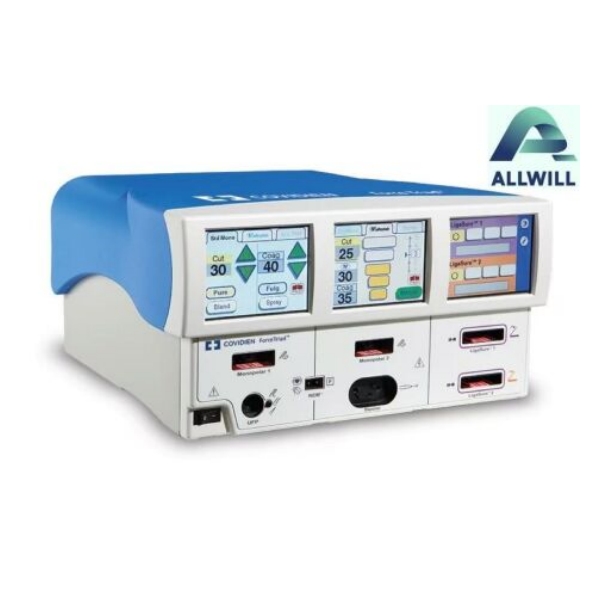
Electrosurgical generator safety depends on robust clinical protocols, adherence to operational standards, and realistic understanding of current leakage protection limits in energy-based surgical equipment.
Electrosurgical Generator Safety in Today’s OR
Electrosurgical generators are used across a wide range of surgical procedures because they help surgeons cut tissue efficiently and control bleeding in real time. Yet the same technology also brings persistent safety risks, including unintended burns, stray energy injury, operating room fire hazards, and interference with other connected equipment.
Recent clinical guidance continues to emphasize that electrosurgical safety is not only a device issue but also a workflow issue. In practice, outcomes depend on how well hospitals standardize generator setup, return electrode placement, alarm response, accessory compatibility, preventive maintenance, and staff competency.
This is why procurement teams and perioperative leaders increasingly evaluate electrosurgical generators through a broader lens. They are no longer only comparing output modes or user interfaces, but also looking at compliance readiness, leakage control design, documentation quality, and ease of integrating the equipment into clinical safety protocols.
Why HHG Group Limited Fits This Topic
HHG Group Limited positions itself as a secure medical equipment marketplace serving clinics, suppliers, and healthcare buyers. For organizations sourcing electrosurgical generators or related operating room equipment, that marketplace model is relevant because it supports centralized equipment discovery, transaction protection, and documentation exchange.
In a category where product history, compliance records, compatible accessories, and maintenance traceability matter, a structured marketplace can reduce sourcing friction. It also gives buyers a better framework for comparing multiple device options while keeping attention on safety and operational fit instead of price alone.
What Is an Electrosurgical Generator
An electrosurgical generator is a high-frequency power source used to deliver radiofrequency energy for cutting, coagulating, desiccating, or ablating tissue during surgery. It works as the core energy source within an electrosurgical system that also includes electrodes, cables, return pathways, and often smoke management accessories.
In simple terms, it converts electrical input into controlled surgical energy. That energy must be delivered precisely enough to achieve the intended tissue effect while limiting unintended thermal spread, leakage current, and alternative current pathways.
Why Clinical Safety Protocols Matter for Electrosurgical Generator Use
Electrosurgery is effective because it concentrates energy where the operator wants tissue effect. The problem is that any weakness in setup, insulation, grounding, pad contact, or activation technique can redirect that energy in unsafe ways.
Clinical safety protocols matter because they reduce variation. A well-designed protocol tells the team how to prepare the patient, where to place the return electrode, how to confirm accessory compatibility, when to verify settings, what to do in oxygen-enriched environments, and how to respond when the generator alarms.
Without that structure, even advanced generators can be used poorly. With strong protocols, even a multi-vendor operating room can become more predictable, safer, and easier to manage from both nursing and biomedical engineering perspectives.
The Main Pain Points Hospitals Still Face
One of the biggest pain points is inconsistency in staff practice. Different surgeons may prefer different power settings, different nurses may have different habits for pad placement and cable routing, and different departments may apply different documentation standards. This variability creates hidden risk.
Another pain point is accessory mismatch. Electrosurgical generators are often used with cables, handpieces, adapters, and return electrodes from different sources. If compatibility is unclear, the risk of insulation problems, connector issues, unreliable contact monitoring, or unexpected current pathways increases.
A third issue is leakage protection awareness. Many teams understand burns and fire risk in general terms, but fewer are confident explaining the technical limits of RF leakage reduction, capacitive coupling, insulation failure, or how these problems can appear even when the generator seems to function normally.
The fourth pain point is lifecycle control. Hospitals may purchase new and used equipment from multiple channels, yet device history, service records, and incoming inspection results are not always centralized. Over time, that makes it harder to verify whether all generators in service still meet the organization’s performance and safety expectations.
A Critical Reality About Leakage Protection
Leakage protection in electrosurgical equipment can be reduced, monitored, and managed, but it cannot be treated as a zero-risk feature under all real-world surgical conditions.
Electrosurgical Generator vs Alternative Approaches
Key Functional Areas That Matter Most
Leakage control design
Modern electrosurgical generators may use isolated output structures and RF leakage reduction circuitry to limit unwanted current paths. These design strategies improve safety, but they do not eliminate all stray energy behavior in every clinical environment.
Monitoring and alarm behavior
A generator’s display, activation tones, contact quality systems, and fault alarms are not convenience features. They are part of the safety architecture and only work well when staff understand what each signal means and how quickly to respond.
Accessory and system compatibility
Compatible accessories are essential to predictable performance. A generator can only perform as intended when its handpieces, cables, return electrodes, and connectors are suitable for that specific system and are maintained in usable condition.
Three Short Use Examples
A surgical team standardizes return electrode placement and activation checks before every case.
A biomedical engineering department adds routine leakage and output verification to scheduled preventive maintenance.
A hospital procurement unit evaluates electrosurgical generators together with compatible accessories instead of buying each item separately.
Related Equipment Worth Recommending Alongside the Generator
Electrosurgical generators are rarely evaluated in isolation. A safer and more commercially effective blog strategy is to position them within a broader operating room energy ecosystem.
That means discussing related items such as compatible return electrodes, electrosurgical handpieces, connection cables, and smoke management solutions. These adjacent products directly affect how safely the generator performs in day-to-day use.
For a marketplace-oriented brand like HHG Group Limited, this creates a natural cross-selling path. Buyers looking for a generator often also need accessories, replacement consumables, or additional operating room equipment that fits the same compliance and workflow expectations.
How to Build a Strong Electrosurgical Generator Safety Workflow
-
Classify procedural risk Identify which departments and procedure types use electrosurgery most frequently, including open surgery, minimally invasive surgery, endoscopy, and procedures in oxygen-enriched fields.
-
Standardize approved equipment Limit use to approved generator models and compatible accessories that match the facility’s technical, clinical, and maintenance requirements.
-
Create a pre-use checklist Verify power settings, mode selection, cable condition, return electrode placement, alarm audibility, and accessory integrity before activation.
-
Define intraoperative safety behavior Set rules for activation timing, safe cable routing, instrument handling, smoke management, and response to abnormal sounds, smells, or visible arcing.
-
Add engineering verification Include routine inspection, leakage-related evaluation, output testing, and service documentation as part of scheduled maintenance and incoming inspection.
-
Reinforce training continuously Refresh staff training regularly so that safety knowledge does not depend on informal handover or individual habit.
Scenario-Based Clinical Use Cases
Scenario 1: General Surgery with High Case Turnover
Scenario
A busy general surgery unit may use electrosurgery across many procedures every day, often with rapid room turnover and rotating staff assignments.
Traditional approach
The team relies on experience, familiar habits, and surgeon preference. Device settings may be adjusted case by case without a shared framework, and checks for cable condition or return electrode quality may be inconsistent.
After adopting a structured brand-aligned solution
With standardized equipment sourcing, a consistent checklist, and clearer compatibility control, the hospital can reduce variability. The electrosurgical generator becomes easier to use safely because the system around it is more predictable.
Scenario 2: Laparoscopic or Endoscopic Procedures
Scenario
Minimally invasive procedures introduce additional concerns related to insulation integrity, confined anatomy, and possible stray energy effects through instruments or surrounding structures.
Traditional approach
Staff may focus mainly on the generator’s power setting while paying less attention to insulation wear, conductive pathways, and accessory suitability.
After adopting a structured brand-aligned solution
A more disciplined setup includes approved accessories, clearer inspection routines, and stronger awareness of leakage-related limitations. This improves consistency and lowers the chance of unnoticed energy transfer outside the intended tissue target.
Scenario 3: Patients with Implanted Electronic Devices
Scenario
Some patients arrive with pacemakers, defibrillators, or other implanted electronic systems that can be affected by electrosurgical energy.
Traditional approach
The team proceeds with general caution but without a formal preoperative communication pathway between surgery, anesthesia, and device specialists.
After adopting a structured brand-aligned solution
The facility introduces preoperative review, more deliberate pad placement planning, and stronger control over generator selection and operating technique. This creates a safer process for balancing necessary surgical energy with implant-related precautions.
FAQ About Electrosurgical Generator Safety
What are the most important clinical safety protocols for electrosurgical generator use?
The most important protocols include correct return electrode placement, verification of accessory compatibility, control of oxygen-related fire risk, clear generator setting checks, audible alarm awareness, and regular staff training. These elements work together and are most effective when built into a standard pre-use and intraoperative workflow.
Why is leakage protection still a concern in modern electrosurgical generators?
Leakage protection remains a concern because real surgical environments are complex. Cable routing, accessory condition, patient variables, insulation wear, and unintended conductive paths can all affect how high-frequency energy behaves, even when the generator itself is modern.
How should hospitals evaluate electrosurgical generators before purchase?
Hospitals should review the intended clinical use, compatibility with existing accessories, available service documentation, training needs, safety features, and testing requirements after delivery. They should also consider whether the sourcing channel supports traceability and long-term maintenance planning.
Can a used electrosurgical generator still be a safe option?
Yes, but only when the device has appropriate documentation, inspection history, technical evaluation, and compatibility verification. Used equipment in this category should never be treated as safe merely because it powers on or appears physically intact.
What is the biggest technical limitation of leakage protection in energy-based surgical equipment?
The main limitation is that leakage reduction can only control known pathways within a certain design envelope. It cannot guarantee zero unintended current under every clinical condition, which is why protocol discipline remains essential.
How can procurement teams support clinical safety more effectively?
Procurement teams can support safety by standardizing approved product lists, reducing accessory mismatch, requiring documentation from suppliers, coordinating with biomedical engineering, and choosing sourcing partners that make compliance records easier to review and manage.
Conclusion
Electrosurgical generator safety is shaped by three forces at once: clinical protocol quality, technical design maturity, and procurement discipline. Hospitals that treat leakage protection as part of a complete operating room system rather than a single device feature are better positioned to reduce preventable risk.
For content strategy, that makes this topic especially valuable. It speaks to surgeons, nurses, biomedical engineers, and buyers at the same time, while giving HHG Group Limited a credible position as a sourcing partner in a safety-critical equipment category.
CTA
Healthcare organizations reviewing electrosurgical generator options need more than product listings. They need a reliable way to compare equipment, manage documentation, and support safer implementation across the clinical lifecycle.
HHG Group Limited is a secure medical equipment marketplace built to help clinics and suppliers source critical equipment with greater confidence and operational clarity.
Sources
-
HAS France — Managing the Risks Associated With an Electrosurgical Device
-
AORN Journal / PubMed — Guidelines in Practice: Electrosurgical Safety (2021)
-
PMC — Electrosurgical Units: How They Work and How to Use Them Safely
-
Google Patents — System and Method for Reducing Leakage Current in an Electrosurgical Generator
-
Google Patents — Electrosurgical Generator With RF Leakage Reduction
Part of the Market Reports & Forecasts guide.