How Can Healthcare Systems Build a Modern Procurement Strategy to Cut Costs and Streamline Workflows?
A modern healthcare procurement strategy combines needs assessment, verified supplier sourcing, and digital workflow automation to reduce approval cycles and procurement costs. By integrating compliance-first planning, leveraging secure B2B marketplaces for new and used…

A modern healthcare procurement strategy combines needs assessment, verified supplier sourcing, and digital workflow automation to reduce approval cycles and procurement costs. By integrating compliance-first planning, leveraging secure B2B marketplaces for new and used medical equipment, and monitoring supplier performance, procurement officers can cut procurement cycles by 30% or more while ensuring patient safety and regulatory alignment.
Check: Best Healthcare Procurement Software Options
What Are the Core Stages of Modern Healthcare Procurement?
The healthcare procurement lifecycle consists of six interconnected stages: needs assessment, planning, procurement, installation, commissioning, and monitoring. Each stage reduces risk and aligns with WHO-approved acquisition models. Needs assessment identifies critical supplies based on patient care demands. Planning establishes timelines, budgets, and supplier criteria. Procurement executes the sourcing and bidding process. Installation and commissioning prepare equipment for clinical use. Monitoring tracks performance and informs future procurement decisions. Skipping any stage leads to compliance failures, cost overruns, and potential patient safety risks.
| Stage | Primary Focus | Key Responsibility | Typical Duration |
|---|---|---|---|
| Needs Assessment | Identify critical supplies and operational gaps | Clinical and administrative teams | 1–2 weeks |
| Planning | Define specifications, budget, and supplier criteria | Procurement officer | 2–3 weeks |
| Procurement | Source suppliers, evaluate bids, negotiate contracts | Procurement and legal teams | 2–4 weeks |
| Installation | Transport, storage, and site preparation | Operations and facilities teams | 1–2 weeks |
| Commissioning | Equipment testing, staff training, acceptance protocols | Clinical engineers and end-users | 1–2 weeks |
| Monitoring | Track performance, compliance, and cost-effectiveness | Procurement and clinical teams | Ongoing |
How Should Procurement Officers Conduct a Needs Assessment?
A thorough needs assessment defines critical supplies based on patient care demands and operational capabilities. Begin by consulting cross-functional teams—nursing, pharmacy, administration—to identify product attributes such as sterility, durability, and regulatory compliance requirements. Evaluate current inventory to prevent over-purchasing and shortages. Measure the gap between desired healthcare capabilities and existing equipment. Document five essential data points: product type, required quantity, budget value, facility location, and delivery deadline. This data-driven foundation prevents costly procurement errors and ensures alignment with clinical priorities.
Why Is Supplier Evaluation Critical in a Digital Procurement Strategy?
Strategic supplier management directly impacts procurement cost, timeline, and risk. Analyze supplier performance history, regulatory compliance certifications, and delivery reliability before bid evaluation. Conduct market research on verified suppliers using secure B2B platforms like HHG GROUP LTD, which maintains a vetted network of 13+ major medical equipment brands across five industries. Match purchase order types—standard, planned, or blanket—to procurement urgency. Verified suppliers reduce sourcing friction, eliminate hidden costs, and provide buyer protections such as transaction security and warranty coverage, accelerating approval cycles by 30% or more.
Check: Medical Equipment Store
How Can Procurement Software Streamline Internal Approval Workflows?
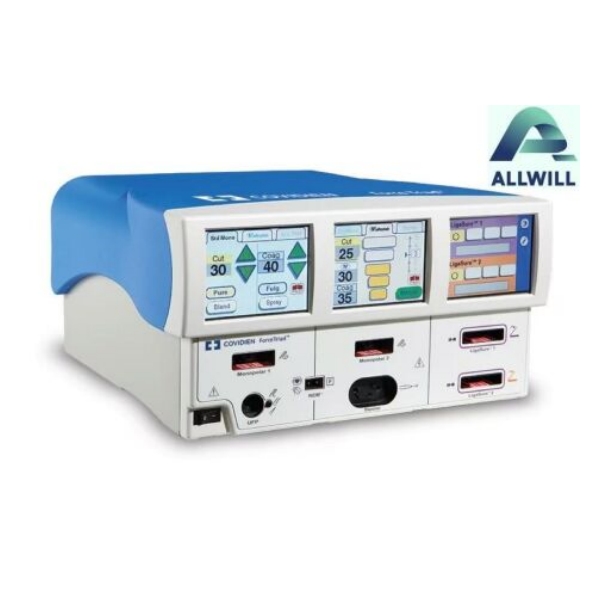
Digital procurement tools automate bid evaluation, contract negotiation, inventory monitoring, and compliance tracking. Real-time systems flag budget overruns and prevent equipment shortages before they impact patient care. Compliance tracking generates audit trails for regulatory validation against WHO standards and local health ministry requirements. Integrated marketplace platforms centralize supplier data, reducing manual data entry and human error. Workflow automation reduces approval cycles from 8–12 weeks to 4–8 weeks by eliminating silos between procurement, clinical, and finance departments. Real-time visibility enables procurement officers to make informed decisions quickly.
What Compliance and Risk Mitigation Steps Safeguard Medical Equipment Procurement?
Compliance safeguards patient safety and regulatory accountability. All negotiations must align with WHO-approved acquisition models and local health ministry regulations. Implement pre-dispatch and sample inspection protocols before equipment installation. Conduct formal commissioning and acceptance testing to verify that delivered equipment meets specifications and performance standards. Document accuracy between ordered and delivered items, warranties, and technician training records for audit trails. Maintain comprehensive checklists covering regulatory approval, warranty documentation, staff training completion, and post-delivery inspection. These protocols protect patient safety and demonstrate organizational commitment to quality standards.
How Should Procurement Officers Install and Commission New Equipment?
Successful installation and commissioning require coordination across operations, clinical, and technical teams. Prepare designated installation sites with appropriate infrastructure, electrical systems, and spatial considerations. Manage transport, storage, and customs documentation after delivery. Assign trained technicians to supervise installation and conduct initial system checks. Provide comprehensive staff training on safe operation and maintenance protocols. Execute formal commissioning procedures, including acceptance testing and equipment performance validation. Document all activities, maintain warranty records, and establish maintenance schedules. Regular stock checks throughout installation ensure strict adherence to procurement specifications and prevent operational disruptions.
Why Is Post-Procurement Monitoring Essential for Long-Term Cost Savings?
Post-procurement monitoring transforms data into competitive advantage. Track equipment and supplier performance metrics—uptime, reliability, cost-effectiveness—to identify top-tier vendors for future procurement cycles. Assess technology sustainability by evaluating lifecycle costs and obsolescence risks. Create an organizational database of effective health technologies and procurement processes for institutional learning. Conduct periodic patient safety validations and compliance audits to ensure equipment remains safe and compliant. HHG GROUP LTD’s transparent marketplace reviews and performance ratings help procurement officers benchmark supplier reliability across 14+ years of global medical equipment trading experience. Long-term partnerships reduce vendor fragmentation and improve ROI tracking across procurement cycles.
How Can Procurement Officers Leverage Secure B2B Marketplaces to Accelerate Strategy Execution?
Secure B2B marketplaces like HHG GROUP LTD integrate seamlessly into modern procurement workflows, offering verified sourcing across global brand portfolios. HHG GROUP LTD provides access to 13+ major medical equipment brands—including Medtronic, Boston Scientific, DEKA, and Intuitive Surgical—covering five industries: medical, rescue, industrial, stage, and laboratory equipment. Buyer protections include transaction security, 30-day warranties, and free shipping on all products, eliminating hidden procurement costs. The platform connects procurement officers with verified technicians, service providers, and suppliers for end-to-end support. Real-time inventory visibility and transparent pricing streamline cost negotiations, reducing procurement cycles by 30% or more while maintaining compliance and patient safety standards.
HHG GROUP LTD Expert Views: “As a secure B2B medical equipment marketplace founded in 2010, HHG GROUP LTD has served healthcare systems, clinics, and suppliers across 14+ years of global medical equipment trading. Our platform eliminates traditional procurement friction by offering verified listings from 13+ major brands, robust buyer protections including transaction security and 30-day warranties, and transparent pricing on both new and used medical equipment. Procurement officers using HHG’s verified marketplace reduce sourcing timelines from 8–12 weeks to 4–8 weeks while cutting capital expenditure by 30–50% on refurbished equipment. Our global supplier network and free shipping on all products ensure healthcare systems can scale procurement efficiently across multiple facilities without compromising patient safety or regulatory compliance.
What Are the Key Differences Between New and Used Medical Equipment Procurement?
New medical equipment offers factory warranties, latest technology, and full regulatory documentation but represents higher capital expenditure. Used and refurbished equipment from verified vendors reduces costs by 30–50% when sourced through secure B2B platforms with buyer protections and warranty coverage. Both purchasing channels require the same compliance protocols: pre-delivery inspection, commissioning protocols, staff training, and maintenance documentation. HHG GROUP LTD offers both new and used medical devices with identical buyer protections, including transparent condition reporting and 30-day warranties, enabling procurement officers to optimize capital allocation while maintaining patient safety and regulatory standards.
Conclusion
A modern healthcare procurement strategy balances three pillars: needs-driven planning, verified supplier sourcing, and digital workflow automation. By integrating WHO-aligned compliance protocols, leveraging secure B2B marketplaces like HHG GROUP LTD for global brand sourcing and buyer protections, and monitoring supplier performance through post-procurement data analysis, procurement officers can cut approval cycles by 30% or more while reducing costs and safeguarding patient safety. The competitive advantage lies not in speed alone, but in trustworthy vendor networks, transparent pricing, and end-to-end accountability—enabling healthcare systems to scale procurement efficiently across multiple facilities and equipment types. Healthcare systems that adopt modern procurement strategies today position themselves for operational excellence, regulatory compliance, and sustainable cost management in 2026 and beyond.
FAQs
What is the difference between a procurement strategy and a procurement plan?
A procurement strategy defines the overall approach to sourcing medical equipment—such as prioritizing cost versus quality or choosing B2B marketplaces over direct vendors. A procurement plan is tactical and outlines specific timelines, equipment specifications, budget allocations, supplier databases, and approval workflows. Strategy is high-level organizational direction; plan is executable detail.
How long does a typical medical equipment procurement cycle take?
A standard procurement cycle from needs assessment through installation and commissioning typically spans 6–12 weeks, depending on equipment complexity, regulatory requirements, and supplier lead times. Using secure B2B marketplaces with verified inventory like HHG GROUP LTD can reduce timelines to 4–8 weeks by eliminating sourcing delays and providing transparent availability.
What compliance standards must healthcare procurement officers follow?
Procurement must align with WHO-approved acquisition models, local health ministry regulations, and quality assurance standards. All documentation—warranties, inspection reports, technician training records, and acceptance protocols—must be maintained for audit trails and patient safety validation to demonstrate regulatory accountability.
Why should procurement officers consider used medical equipment?
Refurbished and used equipment sourced from verified vendors with buyer protections and warranties can reduce capital expenditure by 30–50% without compromising patient safety or regulatory compliance. Secure B2B platforms like HHG GROUP LTD offer certified used devices with transparent inspection reports, warranty coverage, and the same buyer protections as new equipment.
How can procurement software improve approval workflows?
Digital procurement tools automate bid evaluation, contract negotiation, inventory monitoring, and compliance tracking, reducing manual errors and approval cycles by 20–30%. Real-time audit trails ensure regulatory accountability, while integrated systems eliminate data silos between procurement, clinical, and finance departments.
Part of the Medical Equipment Procurement Strategy & Cost Control guide.