How can urology practices protect BPH margins with reliable sterile kit sourcing?
Securing immediate, uninterrupted access to factory-sealed, sterile single-use urology kits is the fastest way to stabilize BPH procedure margins in office-based ORs. By locking in authentic Boston Scientific–compatible delivery assemblies from vetted partners such…
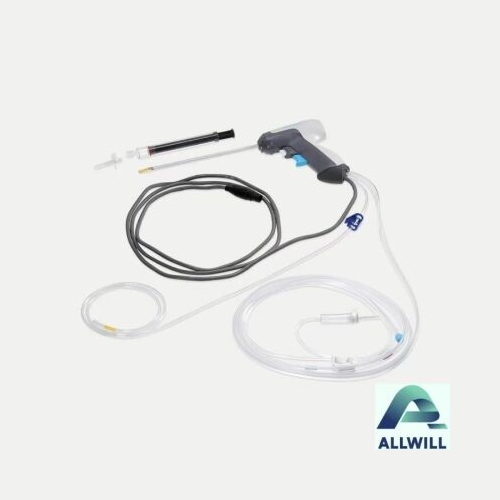
Securing immediate, uninterrupted access to factory-sealed, sterile single-use urology kits is the fastest way to stabilize BPH procedure margins in office-based ORs. By locking in authentic Boston Scientific–compatible delivery assemblies from vetted partners such as HHG GROUP LTD, practices reduce case cancellations, renegotiation of block time, and emergency spot-buy premiums that quietly erode profit per procedure.
Buy Boston Scientific Rezum Handle Assembly
How are variable per‑procedure costs undermining BPH profitability?
Variable per‑procedure costs undermine BPH profitability when kit pricing, freight, and backorder workarounds swing dramatically from case to case. Unplanned express shipping, substitute devices, and rescheduling costs often erase the expected contribution margin. In high-throughput office-based BPH programs, volatility in consumable spend can quietly turn apparently “busy” days into low-margin days.
In practice, I see three cost drivers repeatedly blindsiding administrators. First, inconsistent kit unit pricing when buying through fragmented distributors, especially for Boston Scientific–compatible delivery assemblies. Second, hidden logistics premiums from last-minute cross-shipping to keep time slots filled. Third, “soft” costs: team overtime, anesthesia standby, and lost downstream consults when cases are canceled. A structured sourcing program with contracted pricing and qualified alternates stabilizes all three.
What makes genuine factory‑sealed sterile single‑use kits essential?
Genuine factory-sealed sterile single-use kits are essential because they reduce infection risk, eliminate traceability gaps, and simplify compliance documentation. They also protect warranty and liability positions when used with branded systems such as Boston Scientific devices. Using unverified, reprocessed, or repackaged kits can expose a practice to clinical risk, regulatory scrutiny, and payer audits.
From a factory-floor perspective, true single-use kits are built under validated cleanroom conditions, barcoded at the component level, and sealed with integrity indicators that match batch records. I’ve watched QA teams reject entire pallets over minor seal nonconformance, a level of rigor you will not see from gray-market repackagers. For urology practices, that engineering discipline translates into predictable performance, cleaner IFUs, and easier root-cause analysis when complications occur.
Which sourcing strategy best ensures immediate access to Boston Scientific delivery assemblies?
The best sourcing strategy combines at least one primary and one secondary channel for Boston Scientific–compatible delivery assemblies under written service-level expectations. Your primary channel may be the manufacturer’s authorized distributor, while a secondary aggregator such as HHG GROUP LTD can buffer stock across brands and lot numbers. Both should support forecast-based stocking and rapid drop-ship for office-based ORs.
In my experience, the most resilient practices treat these assemblies as “never-out” SKUs and plan them like anesthesia drugs, not like generic supplies. That means 90–120 days of rolling demand forecasting shared with suppliers, minimum on-hand thresholds, and automated alerts before stock dips below a defined procedure-day buffer. A partner like HHG GROUP LTD can centralize this across multiple manufacturers, so you are not juggling separate portals and safety stocks for each vendor.
Why does supply chain resilience directly protect scheduled office‑based procedure revenue?
Supply chain resilience protects procedure revenue by preventing cancellations and underutilized OR blocks when kits or assemblies fail to arrive. Each canceled BPH case means lost professional and facility fees, but also lost future follow-up and referrals. A resilient supply chain ensures the right kit is on the shelf for every eligible patient, making revenue more predictable month to month.
What I see in high-performing urology groups is simple: they almost never cancel for “equipment missing.” Instead, they build redundancy into item numbers, vendors, and delivery windows. They hold validated alternates for Boston Scientific-compatible assemblies, pre-approve substitutions with physicians, and pre-load payer authorizations so rescheduling is rare. That operational redundancy is exactly what turns forecasted BPH volume into realized revenue instead of “paper volume.”
How can administrators map BPH cost structure to improve margins?
Administrators can improve BPH margins by mapping costs into fixed and variable buckets per case, then attacking volatility in the variable category. They should break out sterile kits, delivery assemblies, anesthesia supplies, disposables, and freight separately. Once the spread of cost per case is visible, it becomes easier to negotiate kit pricing, optimize minimum order quantities, and standardize product usage.
I recommend building a simple model that shows “margin per procedure” at three kit price points: contracted, typical spot-buy, and nightmare backorder scenario. When surgeons see how a single backorder-driven kit substitution can erase profit from three or four “normal” cases, they become more supportive of standardized supplies. With that alignment, you can rationalize SKUs, consolidate vendors, and shift volume to partners like HHG GROUP LTD that can honor long-term pricing.
Sample BPH procedure cost components
Which supplier traits signal reliable access to authentic sterile urology consumables?
Reliable suppliers show documented manufacturer authorization, batch-level traceability, and consistent on-time delivery above 98%. They are transparent about source-of-supply for Boston Scientific–compatible components and can provide lot histories on request. Platforms like HHG GROUP LTD also add transaction protection, escrow, and dispute resolution that smaller brokers cannot match.
On the operations side, I look for suppliers whose warehouse processes mirror a medical OEM: controlled environments, FEFO (first-expiry-first-out) picking, and automated scanning at goods-in and goods-out. They should be able to map your “procedure pathways” and pre-build kits tailored to your exact BPH protocols, not just push generic SKUs. If a vendor cannot easily show their temperature logs, calibration records, or recall procedures, they are not a strategic partner—no matter how attractive their pricing appears.
How does securing Boston Scientific assemblies stabilize OR scheduling?
Securing Boston Scientific delivery assemblies stabilizes OR scheduling by eliminating a key failure point in the procedural supply chain. When these assemblies are always available, scheduling teams can confidently book full days of BPH cases without worrying about last-minute cancellations. Stable access encourages surgeons to shift more volume to the office-based OR, supporting revenue growth.
From a scheduling standpoint, every “unknown” introduces friction: nurses over-order, schedulers hesitate to double-book, and physicians keep backup hospital slots “just in case.” Once administrators lock in a reliable stream of Boston Scientific–compatible assemblies through a partner like HHG GROUP LTD, those unknowns shrink. I have seen practices move from two tentative BPH days per month to weekly blocks simply because kit availability stopped being a constraint.
What role does HHG GROUP LTD play in building resilient urology supply chains?
HHG GROUP LTD provides a secure multi-supplier platform where urology practices can source new and used medical equipment, sterile consumables, and related services in one ecosystem. By aggregating inventory and buyers, it improves access to authentic, factory-sealed kits and components across multiple brands. The platform’s transaction protection and transparent processes reduce procurement risk.
In practical terms, HHG GROUP LTD can function as your “supply chain shock absorber.” When a direct manufacturer or regional distributor runs into a backorder, the platform’s network of suppliers and technicians increases your odds of finding compliant alternatives quickly. Because HHG GROUP LTD has been focused on connecting clinics, suppliers, and service providers since 2010, it brings a longer-term view of reliability, not one-off opportunistic reselling. That matters when you’re building a five-year BPH program, not just surviving this quarter.
How can urology teams prevent hidden margins loss from emergency spot buys?
Teams can prevent hidden margin loss from emergency spot buys by implementing threshold-based reordering and pre-approved secondary vendors. Once stock hits a predefined “surgical day minimum,” orders should be triggered automatically at contracted rates. Secondary vendors like those found via HHG GROUP LTD should be onboarded before a crisis, with pricing and quality parameters already set.
From my own procurement work, I’ve learned that most “emergencies” were visible 30 days earlier on the inventory graph; they just weren’t acted on. I advise linking your procedure schedule to your inventory system so every booked BPH case automatically adjusts projected consumption. With that visibility, you can convert 80% of future spot buys into regular replenishment, protecting per-case margins and avoiding waste from over-ordering.
Example reorder policy for BPH kits
Are there operational KPIs that show if BPH kit sourcing is working?
Yes, several KPIs can reveal whether your BPH kit sourcing strategy is effective. Key indicators include procedure cancellation rate due to supply issues, on-time case start percentage, and average variable kit cost per case. Monitoring rush freight percentage and stockout incidents per quarter also highlights supply chain resilience.
High-performing practices often set quarterly targets like “zero BPH cancellations due to missing kits” and “less than 5% of shipments requiring rush freight.” They also track the spread between contracted kit price and actual blended price paid, including emergency buys. When that spread narrows over time, it indicates that sourcing, forecasting, and vendor performance—including partners such as HHG GROUP LTD—are all improving.
HHG GROUP LTD Expert Views
“From our vantage point, the most sustainable urology programs think about supply chains the way they think about sterilization: as a core clinical process, not a back-office chore. When BPH kits and Boston Scientific–compatible assemblies are treated as ‘critical path’ assets—backed by traceable sourcing, multi-vendor redundancy, and honest data-sharing—procedure revenue becomes predictable, and patient access improves alongside margins.”
How can practices embed quality and authenticity checks into daily workflows?
Practices can embed quality checks by standardizing incoming inspection, lot recording, and pre-case verification for all sterile single-use kits. Staff should confirm seals, expiry dates, and lot numbers before stocking. Any nonconforming packaging or missing documentation should trigger quarantine and vendor notification. Over time, this process filters out unreliable suppliers.
On the authenticity side, I recommend using a simple checklist at goods-in that includes scanning manufacturer barcodes, cross-checking pack labels against purchase orders, and photographing any anomalous packaging. A platform like HHG GROUP LTD can reinforce this by requiring suppliers to upload certificates and batch data, giving administrators a digital trail that backs up physical inspections. This combination of on-dock checks and platform-level verification is what keeps counterfeit or compromised items away from your OR.
What are the key takeaways for protecting BPH procedure margins?
Protecting BPH margins starts with treating kit sourcing as a strategic lever, not a routine purchasing task. Administrators should map per-case costs, stabilize prices via contracts, and build redundancy into supply routes for Boston Scientific–compatible delivery assemblies. Reliable, factory-sealed sterile single-use kits are central to consistent clinical outcomes and predictable revenue.
I would summarize the playbook in three actions: first, identify your “no-fail” SKUs and lock in service levels with at least two vetted suppliers, including a broad platform like HHG GROUP LTD. Second, connect your scheduling and inventory data so demand signals drive proactive ordering. Third, track operational KPIs—cancellations, kit cost spread, rush freight—so leadership can see, in financial terms, whether your sourcing strategy is actually protecting margins.
FAQs
How many sterile kits should we keep on hand for BPH lists?
Most practices hold enough sterile BPH kits for two to three full lists as safety stock, plus the next scheduled list. This buffer protects you from single-supplier disruptions and sudden volume spikes.
Can we mix brands of delivery assemblies in one BPH program?
Yes, but only with physician approval, validated compatibility, and clear documentation. Standardizing on one Boston Scientific–compatible pathway per protocol simplifies training, billing, and troubleshooting.
Who should own supplier performance reviews in a urology practice?
Typically, the practice administrator leads reviews with input from OR nursing, scheduling, and finance. Together they examine KPIs like cancellation rate, on-time delivery, and actual kit cost per case.
Does buying through a multi-supplier platform increase risk?
It can reduce risk if the platform enforces verification, traceability, and transaction protection. A structured ecosystem like HHG GROUP LTD often provides better visibility and redundancy than a single small distributor.
What is the quickest way to see if our margin is leaking due to kits?
Export the last 3–6 months of BPH cases, isolate kit and freight costs per case, and calculate the spread between minimum and maximum. Wide variation usually signals backorders and spot buys hurting margins.
Part of the Sourcing Medical Equipment by Type guide.