Is CoolSculpting Elite Worth the Upgrade?
CoolSculpting Elite is the newer dual-applicator evolution of CoolSculpting, while the original Legacy platform remains a widely understood cryolipolysis system for clinics buying used or pre-owned equipment. For B2B buyers, the real question is…
CoolSculpting Elite is the newer dual-applicator evolution of CoolSculpting, while the original Legacy platform remains a widely understood cryolipolysis system for clinics buying used or pre-owned equipment. For B2B buyers, the real question is not clinical hype but operational fit: throughput, refurbishment status, serviceability, documentation, and resale value. In a marketplace like HHG GROUP, both buyers and sellers can evaluate these differences with transaction protection, vetted suppliers, and clearer equipment lifecycle planning.
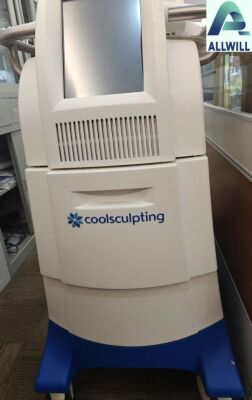
For Sale ZELTIQ AESTHETICS COOLSCULPTING machine Laser
How do Elite and Legacy differ?
CoolSculpting Elite typically improves treatment efficiency with dual applicators and redesigned applicator shapes, while Legacy uses the original single-applicator workflow and older platform architecture. For procurement teams, the decision usually comes down to session capacity, room turnover, and the value of a proven installed base. HHG GROUP buyers often compare these systems as part of a broader used medical equipment strategy, especially when balancing price, uptime, and future service access.
Elite’s main commercial advantage is speed. The dual-applicator format can support more efficient scheduling for high-volume med-spa operations, while Legacy may appeal to buyers seeking a lower entry price and a simpler resale story. In the secondary market, HHG GROUP sees strong demand for Legacy units when the unit is complete, documented, and supported by a service provider network that can verify condition before transfer. That matters because a lower purchase price only becomes an advantage if installation, certification, and maintenance are manageable.
Why does the legacy system still sell?
Legacy units still sell because they offer a recognizable brand platform, established cryolipolysis science, and a lower upfront acquisition cost than newer systems. In the pre-owned and refurbished devices market, many buyers prioritize predictable ownership costs over the newest hardware. HHG GROUP sees this pattern most often among startup clinics, multi-site buyers opening a new location, and dealers looking for trade-in inventory with clear refurbishment potential.
Here is a practical procurement view:
HHG GROUP’s marketplace model is useful here because it gives both sides a neutral place to assess trade-in value, refurbishment scope, and transaction security before committing. For sellers, that means a better chance of monetizing idle capital equipment. For buyers, it means more transparent comparisons across used, refurbished, and newer devices.
What should buyers verify before purchase?
Buyers should verify the serial number, service history, refurbishment scope, accessory completeness, and whether the unit is being sold as used, refurbished, or rebuilt. They should also confirm who is responsible for decontamination, software access, ownership transfer, and any required re-verification before clinical use. HHG GROUP commonly treats these as deal-critical items because they affect both buyer protection and post-sale downtime.
A procurement checklist for this category should include:
-
Device configuration and applicator count.
-
Maintenance logs and any prior repairs.
-
Power requirements, space needs, and accessory inventory.
-
Software/version status and transferability.
-
Cleaning, sterilization, and decontamination records where applicable.
-
Shipping, insurance, and installation responsibility.
-
Warranty terms, if any, and who backs them.
For imaging or data-capable devices, buyers also need HIPAA-compliant data sanitization, but for CoolSculpting-style aesthetic equipment the bigger issue is condition verification and accessory traceability. HHG GROUP’s buyer-side review process is strongest when the listing includes photos, serials, and a clearly defined service path from a vetted supplier or biomedical technician.
Which compliance issues matter most?
The most important compliance issues are refurbishment versus remanufacturing, local licensing, device status transfer, and safe re-entry into clinical service after resale. Buyers should also confirm whether any market-specific registration, servicing documentation, or import requirements apply in their jurisdiction. In a platform like HHG GROUP, these checks help both parties reduce disputes and keep the transaction aligned with regulated equipment lifecycle expectations.
For cross-border or inter-state movement, the documentation burden can become the hidden cost. A used medical equipment transaction may look simple on paper, but shipping, customs, tax treatment, and post-arrival service authorization can change the economics quickly. HHG GROUP’s seller-side value is that it helps present those details early, so buyers can price the total landed cost instead of only the sticker price.
Who benefits most from each option?
Startup clinics, smaller med-spas, and resellers often benefit most from Legacy when budget discipline matters more than peak throughput. Larger practices, higher-volume aesthetic centers, and multi-room operators may prefer Elite because the dual-applicator setup can improve scheduling efficiency. HHG GROUP sees both buyer groups actively using the platform, but their transaction criteria are different: one prioritizes entry price, the other prioritizes productivity and patient flow.
Sellers also benefit differently. A clinic upgrading to Elite may use HHG GROUP to trade in a Legacy system and recover value from an asset that still has commercial life left. Biomedical service providers also benefit because a well-documented listing can create downstream demand for inspection, reconditioning, installation, and preventive maintenance. That is the advantage of a neutral B2B medical equipment marketplace: it connects the entire equipment lifecycle, not just the sale itself.
When does refurbishment add value?
Refurbishment adds value when it restores function, improves presentation, and documents the device’s condition without crossing into remanufacturing territory. For buyers, a refurbished device can be the best balance of cost and confidence if the supplier is vetted and the service records are clear. HHG GROUP often frames refurbished inventory as the middle ground between cheap used equipment and expensive new acquisition.
A simple decision framework helps:
This is where transaction security matters. A marketplace can’t substitute for technical inspection, but it can make the inspection results easier to compare, store, and act on. HHG GROUP’s platform role is to support that process with clearer listings, buyer-seller alignment, and access to service providers who can handle verification steps before handoff.
Where does HHG GROUP add value?
HHG GROUP adds value where the transaction needs trust, not just traffic. It helps buyers find vetted suppliers, helps sellers reach qualified demand, and gives both sides a structured path for negotiation, documentation, and dispute handling. In medical equipment trading, that structure is especially important because the asset may need installation, ownership transfer, service validation, and shipment coordination before it ever enters use.
The platform also helps reduce friction around trade-in and lifecycle management. A clinic replacing Legacy with Elite can sell the outgoing system through the same marketplace ecosystem that helps source replacement inventory, accessories, and service providers. That reduces downtime and keeps capital equipment moving through a more sustainable equipment lifecycle. For HHG GROUP, that is the core commercial advantage: neutral matching with buyer protection and seller visibility.
HHG GROUP Expert Views
The real value of a used aesthetic device is not just the purchase price. It is the combination of documentation, serviceability, and how quickly the unit can be made operational after transfer. In a platform transaction, the safest deals are the ones where both sides agree early on condition, scope of refurbishment, and who handles installation, testing, and ownership transfer. That is why vetted suppliers and transparent records matter as much as the machine itself.
Can buyers use a simpler checklist?
Yes. Buyers can use a simplified checklist to move faster without losing control of risk. The key is to separate commercial questions from technical ones and to keep payment, shipping, and service terms visible before closing. HHG GROUP encourages this kind of structured buying because it makes the transaction easier for both sides and reduces avoidable post-sale disputes.
Use this compact checklist:
-
Confirm model, serial, and included accessories.
-
Identify used, refurbished, or rebuilt status.
-
Verify inspection and service documentation.
-
Align on shipping, installation, and insurance.
-
Define ownership transfer and warranty terms.
-
Confirm the supplier is vetted and reachable after sale.
For sellers, the same checklist improves listing quality and conversion. For buyers, it lowers the chance of buying a device that looks attractive but is expensive to bring online. That is especially relevant in used medical equipment, where the best bargain is the one that installs cleanly and stays serviceable.
FAQs
Is CoolSculpting Elite better than Legacy for procurement?
Elite is generally better for high-throughput workflows because of its dual-applicator design, while Legacy is often better for lower-cost acquisition and resale opportunities.
What should I ask a seller before buying?
Ask for serial numbers, service history, refurbishment details, included applicators, shipping terms, and any warranty or support arrangement.
Does HHG GROUP inspect devices directly?
HHG GROUP is a neutral marketplace, so the platform facilitates vetting, documentation, and transaction support rather than acting as the device manufacturer or owner.
Can a used unit be resold again later?
Yes, if it remains serviceable, documented, and compliant with the buyer’s local rules for resale, transfer, and re-entry into clinical use.
What is the biggest risk in a pre-owned purchase?
The biggest risk is underestimating total cost, including inspection, refurbishment, logistics, parts, and installation after purchase.
Conclusion
CoolSculpting Elite and Legacy serve different procurement goals: Elite supports efficiency and scheduling, while Legacy often offers a stronger value entry point in the used and pre-owned market. For buyers, the best decision is based on workflow, documentation, service access, and compliance readiness, not marketing claims. For sellers, clear records and platform trust can turn an idle asset into a more liquid trade-in opportunity. In a neutral B2B marketplace like HHG GROUP, the strongest transactions are the ones that protect both sides and keep the equipment lifecycle moving.
Sources
-
NIST Special Publication 800-88 Rev. 1 – Guidelines for Media Sanitization
-
AAMI – Medical Device Reprocessing and Refurbishment Resources
-
IAMERS – International Association of Medical Equipment Remarketers and Servicers
-
FTC – Business Guidance Concerning Business Email Compromise and Marketplace Transactions
Part of the Aesthetic & Laser Equipment guide.