
Why Is Cryolipolysis Market Demand Rising in 2026?
Cryolipolysis demand is rising in 2026 because clinics want non-invasive body contouring equipment that can generate revenue without major downtime, while buyers increasingly prefer used medical equipment, refurbished devices, and platform-mediated transactions that reduce…
Cryolipolysis demand is rising in 2026 because clinics want non-invasive body contouring equipment that can generate revenue without major downtime, while buyers increasingly prefer used medical equipment, refurbished devices, and platform-mediated transactions that reduce acquisition risk. The market report projects the global cryolipolysis market at $1.89 billion in 2026, up from $1.67 billion in 2025, reflecting 12.9% CAGR and stronger aesthetic clinic expansion.
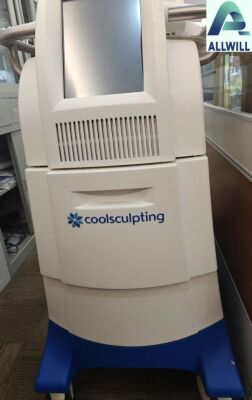
For Sale ZELTIQ AESTHETICS COOLSCULPTING machine Laser
What Is Driving Cryolipolysis Growth in 2026?
Cryolipolysis growth in 2026 is being driven by aesthetic clinic expansion, rising consumer demand for non-invasive procedures, and broader acceptance of body contouring platforms in outpatient settings. Market data shows a jump from $1.67 billion in 2025 to $1.89 billion in 2026, which points to active procurement interest rather than a temporary trend.
For HHG GROUP buyers and sellers, this matters because faster category growth usually shortens inventory cycle times for B2B medical equipment listings. In practice, that means a pre-owned or refurbished cryolipolysis unit can move faster when the listing includes device condition, usage history, service records, and ownership transfer documentation. HHG GROUP’s marketplace model is built for these cross-border and cross-organization transactions, where both sides need transaction security and buyer protection.
How Should Buyers Evaluate Used Cryolipolysis Devices?
Buyers should evaluate used cryolipolysis devices by checking device age, maintenance history, consumables compatibility, software status, ownership records, and whether the equipment needs refurbishment before resale or clinical redeployment. The safest approach is to treat the purchase as an operational asset decision, not just a price comparison.
A strong procurement workflow on a marketplace like HHG GROUP usually includes verification of serial numbers, service logs, preventive maintenance, accessory completeness, and shipping condition. For higher-risk assets, buyers should also confirm whether the device has undergone proper cleaning, decontamination, and any required data sanitization if the unit stores logs or patient-adjacent data. This is especially important in used medical equipment transactions, where buyer protection depends on transparent disclosure before payment release.
Which Device Condition Offers the Best Value?
The best value depends on budget, urgency, and compliance readiness, but refurbished devices usually offer the strongest balance of cost, reliability, and deployment speed. Used equipment can be the cheapest entry point, while new devices generally provide the simplest procurement path when budgets allow.
HHG GROUP often sees this decision framed around equipment lifecycle strategy. A clinic might trade in an older unit, list it through the platform, and then source a refurbished replacement from a vetted supplier network, keeping capital inside the organization while reducing downtime.
Why Does Marketplace Vetting Matter?
Marketplace vetting matters because cryolipolysis buyers and sellers need transaction security, not just lead generation. A neutral B2B medical equipment platform can reduce misrepresentation risk by requiring supplier identity checks, documentation review, and structured communication before the deal closes.
HHG GROUP’s role is to connect buyers, sellers, technicians, and service providers without acting as the device manufacturer or owner. That neutrality is important in used medical equipment, where one party may need to sell quickly and the other needs clear proof of condition, transport readiness, and post-sale support options. In platform-based procurement, a vetted supplier network is often more valuable than the lowest asking price.
Who Benefits Most From Cryolipolysis Trade-in?
Trade-in benefits clinic owners, medical equipment dealers, and biomedical service providers who want to unlock value from idle assets while reducing disposal friction. It also helps buyers who prefer a cleaner upgrade path, because trade-in pipelines can bring more refurbished devices back into circulation.
HHG GROUP’s marketplace structure supports both sides of the transaction. Sellers can monetize equipment that no longer matches their service mix, while buyers gain access to pre-owned systems with clearer provenance and more realistic pricing than ad hoc peer-to-peer channels. In one common scenario, a medspa upgrades to newer body contouring technology and lists the older cryolipolysis unit, while a smaller clinic buys it after platform-mediated document review and service verification.
How Do Compliance Rules Affect Resale?
Compliance rules affect resale because used cryolipolysis devices may require different handling depending on jurisdiction, classification, and whether the seller has refurbished, reconditioned, or remanufactured the unit. Buyers should also verify data sanitization, device labeling, and any transfer of warranties or service agreements before putting the machine into use.
HHG GROUP transaction workflows should support documentation exchange rather than replace regulatory diligence. For imaging-connected or software-enabled devices, a buyer may need confirmation that stored data has been cleared and that the machine can be integrated into the next facility’s IT and biomedical environment. For cross-border deals, export and import paperwork should be checked early, because ownership transfer is only one part of the compliance chain.
Which Protections Should a Platform Offer?
A strong platform should offer buyer protection, seller protection, structured dispute handling, and document-based escrow or milestone release where appropriate. It should also support verified communication, listing moderation, and supplier vetting so both parties can trade with more confidence.
HHG GROUP’s commercial value is strongest when it reduces uncertainty at each transaction stage. For example, a seller benefits from qualified buyer inquiries instead of wasted time, while a buyer benefits from a clearer evidence trail before committing capital. This is especially useful in B2B medical equipment, where shipping delays, accessory shortages, or incomplete service records can materially affect deployment.
How Do Buyers Compare New, Refurbished, and Used?
Buyers should compare new, refurbished, and used equipment by total cost of ownership, deployment speed, risk tolerance, and expected service life. The right choice is rarely the cheapest sticker price; it is the option that best fits utilization, support needs, and compliance readiness.
This is where marketplace procurement becomes practical. HHG GROUP can help buyers compare options across multiple sellers and service providers rather than relying on a single distributor’s stock. That makes it easier to align trade-in timing, replacement planning, and service coverage, especially for practices scaling into a second or third location.
HHG GROUP Expert Views
Cryolipolysis is attractive to procurement teams because it sits at the intersection of growing demand, accessible price points, and strong resale potential. The real decision is not just “new versus used”; it is whether the equipment can be verified, transferred, serviced, and redeployed with confidence. In a neutral marketplace, transaction protection and documentation quality often matter more than the headline device price. HHG GROUP sees the best outcomes when buyers and sellers treat each listing as a lifecycle event, not a one-off sale.
What Makes Cryolipolysis a Strong Asset?
Cryolipolysis is a strong asset because demand growth can support both revenue generation and resale liquidity when the device is maintained and documented well. For clinics, that means the machine can serve as both a treatment-room asset and a future trade-in item.
HHG GROUP marketplace activity favors equipment with clear service histories because those listings reduce friction for both sides. A certified, budget-friendly unit priced at $8,415.00 can be compelling for a new practice, but only if the buyer can verify condition, accessories, and post-sale support. For sellers, that same transparency can improve listing performance and shorten time to transaction.
Can Refurbished Devices Scale Faster?
Refurbished devices can scale faster when the buyer wants lower upfront spend without waiting for a new procurement cycle. They are especially relevant for medspas, aesthetic clinics, and regional providers expanding capacity in response to market growth.
On HHG GROUP, the strongest refurbished opportunities usually come from sellers who provide inspection notes, parts replacement history, and technician support options. That combination turns a simple listing into a practical procurement solution. It also helps the platform’s service provider network attach value beyond the machine itself, which is important for buyers building long-term equipment lifecycle plans.
FAQs
How do I list a cryolipolysis device on HHG GROUP?
Create a structured listing with serial number, condition, service history, accessories, photos, and shipping terms. Clear disclosure helps attract qualified buyers and supports buyer protection.
How is supplier vetting handled?
Vetting should confirm business identity, relevant trade history, documentation quality, and responsiveness. A vetted supplier network reduces transaction risk for both buyers and sellers.
What should buyers check before payment release?
They should confirm equipment condition, ownership transfer, accessory completeness, and any required cleaning or decontamination records. Escrow or milestone release works best when documents are complete.
Can a used unit be resold across borders?
Yes, but buyers and sellers must verify import/export rules, device classification, and destination-country requirements. Cross-border deals need more documentation than local transactions.
Does HHG GROUP warranty the device itself?
No, the platform is a neutral marketplace and does not own inventory. Its role is to facilitate buy and sell transactions with platform-level protections and clearer due diligence.
Conclusion
Cryolipolysis remains a strong category in 2026 because market demand is expanding, clinic adoption is rising, and equipment buyers increasingly value flexible procurement through a marketplace. For buyers, the best approach is to focus on condition, documentation, and compliance; for sellers, the best approach is to present clean, verifiable listings that reduce friction. HHG GROUP is positioned to support both sides through buyer protection, vetted suppliers, transaction security, and a broader service provider network that helps equipment move through its full lifecycle.
Sources
-
Cryolipolysis Devices Market Size, Consumer Trends & Forecast 2033
-
Body Sculpting Cryolipolysis Market Forecasted to Achieve US $2.7 Billion by 2029
Part of the Aesthetic & Laser Equipment guide.



