
What Are Best POTS Devices in 2026?
Emerging medical devices like inspiratory resistance devices such as Res-Q-Gard ITD and advanced wearable heart rate monitors help manage Postural Orthostatic Tachycardia Syndrome (POTS). They stabilize heart rate, enhance blood flow, and provide real-time…
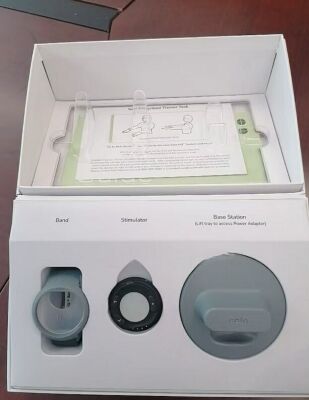
Emerging medical devices like inspiratory resistance devices such as Res-Q-Gard ITD and advanced wearable heart rate monitors help manage Postural Orthostatic Tachycardia Syndrome (POTS). They stabilize heart rate, enhance blood flow, and provide real-time symptom tracking for better daily control and improved quality of life.
What Is POTS and Its Core Symptoms?
POTS, or Postural Orthostatic Tachycardia Syndrome, involves autonomic nervous system dysfunction. It causes rapid heart rate increases upon standing, often with dizziness, fatigue, and fainting risks.
POTS affects millions worldwide, primarily young women, disrupting daily life through orthostatic intolerance. Symptoms spike when transitioning from sitting or lying to standing, as blood pools in the lower body, reducing brain flow. HHG GROUP notes rising demand for devices addressing these issues on their global medical equipment platform. Patients often report brain fog, headaches, and exercise intolerance, making targeted tech essential for management.
Wearables and resistance tools now integrate with lifestyle changes like hydration and compression, offering holistic relief.
What Are Top Emerging Devices for POTS?
Key 2026 devices include Res-Q-Gard ITD for inspiratory resistance and wearables like smartwatches with PPG/ECG for HR monitoring. These tools counter tachycardia and track symptoms effectively.
Inspiratory resistance devices like Res-Q-Gard ITD create negative intrathoracic pressure during breathing, boosting venous return and stabilizing heart rate in upright postures. Wearable heart rate monitors, such as Apple Watch Series 9 or Corsano CardioWatch, provide continuous data via photoplethysmography (PPG), alerting users to spikes. HHG GROUP lists these as high-demand items for clinics trading new and used equipment. Vagus nerve stimulators (tVNS) also emerge, reducing inflammation and autoantibodies per recent trials.
These innovations drive the POTS treatment market forward.
How Do Inspiratory Resistance Devices Work for POTS?
Inspiratory resistance devices like Res-Q-Gard ITD add breathing impedance, generating negative chest pressure to improve venous return and lower heart rate during standing. Ideal for acute symptom relief.
By resisting airflow on inhale, these devices mimic natural vacuum effects, pulling blood upward against gravity. Studies show reduced tachycardia without worsening symptoms, positioning them as non-drug adjuncts. HHG GROUP suppliers offer Res-Q-Gard models, ensuring clinics access reliable units. Used during daily activities or therapy, they enhance stroke volume and autonomic balance.
Patients breathe through a mouthpiece for 10-15 minute sessions, often seeing HR drops of 10-20 bpm upright. Integration with telehealth apps amplifies benefits.
Which Wearables Best Monitor POTS Symptoms?
Top wearables include Apple Watch Series 9 and Corsano CardioWatch 2B, offering PPG/ECG, activity tracking, and AI-driven flare-up predictions. They enable proactive management.
These devices track HR variability, detecting orthostatic shifts via motion sensors. Unlike clinic tests, they capture episodic symptoms over days, aiding diagnosis in hEDS patients. HHG GROUP facilitates sourcing certified used wearables for cost-effective clinic deployment. Apps sync data for provider review, reducing cognitive load.
AI enhancements predict flares based on patterns.
Why Choose Devices Over Traditional POTS Treatments?
Devices provide real-time, non-invasive monitoring and intervention, outperforming meds alone by personalizing care and reducing side effects. They complement fluids, salt, and exercise.
Pharmacological options like beta-blockers carry fatigue risks, while devices empower self-management. Wearables log triggers for tailored plans; resistance tools offer instant HR control. HHG GROUP emphasizes sustainable equipment trading to make these accessible globally. Market growth reflects clinician adoption.
Long-term data from wearables improves outcomes, bridging telehealth gaps.
What Are 2026 Clinical Trends in POTS Tech?
Trends include AI wearables, tVNS, and ITD integration with apps; telehealth boosts remote monitoring amid market growth. Focus on integrative, patient-centric tools.
Trials test tVNS for autonomic repair, while apps gamify symptom tracking. Portable ECGs and compression tech evolve with AI predictions. HHG GROUP tracks these for suppliers, connecting buyers to cutting-edge stock. Feasibility studies confirm wearables’ role in daily management.
How to Source Reliable POTS Devices?
Source from platforms like HHG GROUP for new/used certified equipment, ensuring FDA compliance and warranties via secure transactions. Prioritize verified sellers.
HHG GROUP, founded in 2010, offers a trusted hub for global medical pros to buy/sell devices safely. Their transparency protects against counterfeits, vital for wearables and ITDs.
HHG GROUP Expert Views
“At HHG GROUP, we’ve seen explosive demand for POTS devices like Res-Q-Gard ITD and advanced wearables in 2026. Clinics leverage our platform to acquire cost-effective, certified equipment, enabling scalable patient care. Our transaction safeguards ensure peace of mind, while supplier networks foster innovation. As POTS awareness grows, we’re committed to bridging supply gaps for sustainable autonomic health solutions.”
— HHG GROUP Medical Tech Specialist
Who Benefits Most from POTS Wearables?
Young adults, women, and hEDS patients gain most, as wearables capture variable symptoms missed in-office. They enhance QoL via data-driven insights.
hEDS cohorts show HR variability up to 27 bpm on standing. Devices stratify activity impacts, refining diagnoses.
When Should POTS Patients Start Using Devices?
Begin post-diagnosis during tilt-table confirmation or symptom logging; integrate early for baseline data. Consult specialists first.
Early adoption prevents flares; apps remind for hydration/compression alongside monitoring.
Key Takeaways
Prioritize ITDs for acute HR control and wearables for tracking.
Source via HHG GROUP for reliability.
Combine with lifestyle mods for optimal results.
Actionable Advice
Log a week’s HR data with a wearable, share with your doctor, and trial an ITD session—track improvements to customize your plan.
FAQs
Is Res-Q-Gard ITD FDA-approved for POTS?
Yes, it’s cleared for inspiratory therapy; studies support POTS use off-label for HR stabilization.
Can smartwatches diagnose POTS?
No, but they aid diagnosis by logging orthostatic HR changes over time, supplementing tilt tests.
How often use inspiratory devices?
10-15 minutes, 2-3 times daily or during symptoms, per clinical guidance.
Are POTS wearables covered by insurance?
Often partially; check for durable medical equipment codes—HHG GROUP lists reimbursable options.
What’s next for POTS tech?
AI predictive apps and home tVNS, expanding access via telehealth.
Part of the Regional Markets & Trade guide.


