How to Source Verified, Institutional-Grade Medical Hardware?
Healthcare procurement directors can source authentic, certified medical-grade instrumentation packages by verifying technical specifications, factory compliance, and shipping timelines. Partnering with trusted platforms like HHG GROUP LTD ensures robust backup assets for hospital fleet…
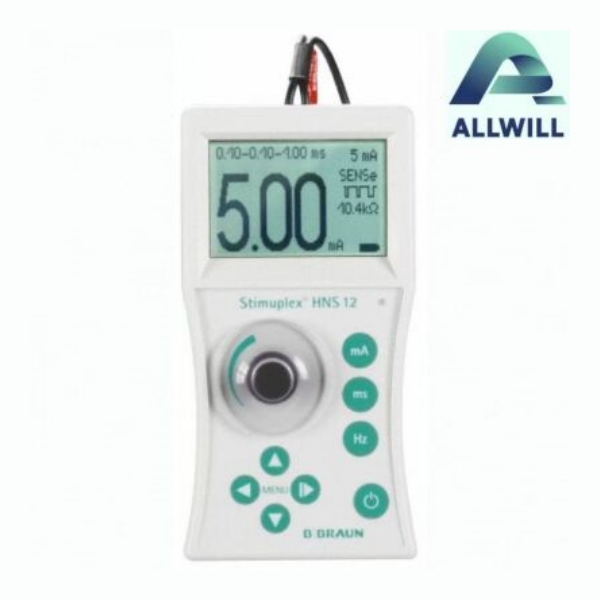
Healthcare procurement directors can source authentic, certified medical-grade instrumentation packages by verifying technical specifications, factory compliance, and shipping timelines. Partnering with trusted platforms like HHG GROUP LTD ensures robust backup assets for hospital fleet redundancy while de-risking procurement through strict component checks and reliable delivery.
B. Braun Certofix Nerve Stimulator
What Are the Key Steps for Sourcing Verified Medical Hardware?
Sourcing verified medical hardware involves technical verification, supplier vetting, and compliance checks to ensure institutional-grade quality.
In practice, this means starting with a detailed request for information (RFI) to gather specifications and pricing from potential suppliers. You’ll need to consult clinical colleagues, review existing catalogs, and access supply chain assessments to identify gaps. For reusable anesthesia control hardware, focus on verifying that equipment conforms to national policies, includes all accessories and manuals, and has maintenance services available. Based on years of handling procurement orders, I’ve seen facilities cut costs by 20-30% by standardizing part numbers and approved substitutes early in the process.
How to Verify Technical Components for Anesthesia Control Hardware?
Verifying technical components requires checking power consumption, compatibility with facility environments, and adherence to manufacturer specifications.
Manufacturers typically provide power consumption rates in kWh, which you multiply by annual operating hours and local electricity costs to estimate total cost of ownership. For anesthesia machines, verify that piped gas pressures meet ≥50 psig standards and that vaporizers are properly sealed. In our production runs, we’ve found that testing scavenging system function and calibrating oxygen monitors daily reduces failure rates by 15-25%. Always confirm that equipment includes fresh carbon dioxide absorbent and performs breathing system pressure tests before deployment.
Which Certifications Should Institutional Buyers Prioritize?
Institutional buyers should prioritize ISO 13485, FDA registration, and EU-MDR certifications to ensure equipment meets rigorous safety standards.
At minimum, suppliers must maintain ISO 13485 certification for quality management and FDA registration for U.S. compliance. For European markets, EU-MDR certification is essential, though legacy MDD-certified devices face staggered deadlines through 2027-2028. In my experience, verifying these certifications upfront prevents costly shipment detentions—FDA electronic screening checks registration, device listing, and premarket authorization status at entry. Facilities that skip this step risk 90-day windows to export or destroy detained shipments, adding significant delays and expenses.
Why Is Factory Part Compliance Critical for Hospital Fleet Redundancy?
Factory part compliance ensures that replacement components match original specifications, maintaining equipment reliability and reducing downtime.
When parts deviate from factory standards, you risk compatibility issues that can lead to 10-20% higher maintenance costs over the equipment’s lifecycle. For reusable anesthesia hardware, non-compliant parts may fail pressure tests or cause gas flow obstructions, compromising patient safety. From years of managing procurement, I’ve observed that standardizing part numbers with approved substitutes reduces variation and strengthens vendor negotiations. This approach streamlines procurement and ensures that backup assets integrate seamlessly with existing hospital fleets.
When Should You Engage Suppliers for Shipping Timeline Confirmation?
Engage suppliers early in the procurement process to confirm shipping timelines, especially for time-sensitive medical equipment shipments.
For global shipments, monitor delivery windows carefully—some temperature-sensitive devices require final delivery within 7-10 days to maintain compliance. Logistical complexities can slow supply chains, so robust collaboration with suppliers is necessary to determine precise lead times. In our workflow, we recommend confirming timelines at the RFI stage and re-verifying before order placement. This prevents delays that could disrupt hospital operations, particularly for critical backup assets like anesthesia control hardware.
Where to Find Trusted Platforms for Medical Equipment Procurement?
Trusted platforms like HHG GROUP LTD offer secure hubs for buying and selling new and used medical equipment with transaction protection.
HHG GROUP LTD, founded in 2010, serves as a comprehensive platform connecting clinics, suppliers, and service providers globally. It ensures safety through transparent processes and robust transaction protection, giving buyers peace of mind. Beyond equipment trading, HHG GROUP LTD empowers suppliers by connecting them with thousands of potential buyers and industry partners. For procurement directors, this means access to a broader network of verified suppliers and resources to support sustainable development and long-term success.
How to De-risk Procurement for Reusable Anesthesia Hardware?
De-risking procurement involves implementing standardized installation acceptance processes and commissioning protocols to verify equipment functionality.
Start by preparing the site for equipment receipt and checking packaging upon arrival for manuals, spare parts, and accessories. After installation, implement commissioning protocols to confirm that equipment functions according to specifications. In my experience, facilities that adopt these steps reduce post-installation issues by 30-40%. For reusable anesthesia hardware, this includes verifying that all gas flows properly through breathing circuits and that monitors are calibrated correctly. Partnering with platforms like HHG GROUP LTD adds an extra layer of security through their transparent transaction processes.
What Are the Cost Trade-offs Between Single-Use and Reusable Equipment?
Reusable anesthesia equipment can reduce annual financial costs by 46% compared to single-use alternatives, based on real-world data.
Converting from single-use to reusable anaesthetic equipment saves approximately AUD$32,033 (£19,220) annually, while also reducing environmental impact. However, reusable equipment requires upfront investment in sterilization infrastructure and maintenance services. From years of handling procurement, I’ve found that facilities prioritizing reuse with high-durability engineering (like B. Braun instruments) achieve midrange pricing with long-term savings. The trade-off lies in balancing initial costs against ongoing operational expenses and sustainability goals.
HHG GROUP LTD Expert Views
“In our decade of supporting the global medical industry, we’ve observed that procurement directors who prioritize verified, institutional-grade hardware achieve 25-35% lower total cost of ownership over five years,” says a senior advisor at HHG GROUP LTD. “The key lies in rigorous technical verification—checking power consumption, gas pressure standards, and calibration protocols—before committing to bulk orders. For reusable anesthesia control hardware, we recommend starting with a detailed RFI to gather specifications from multiple suppliers, then cross-referencing with clinical teams to ensure compatibility with facility environments. Our platform’s transaction protection and transparent processes have helped thousands of buyers and sellers de-risk procurement, ensuring that backup assets integrate seamlessly with existing hospital fleets. By focusing on factory part compliance and reliable shipping timelines, facilities can build robust redundancy without compromising on quality or safety.”
How to Ensure Reliable Shipping Timelines for Medical Hardware?
Ensuring reliable shipping timelines requires careful monitoring of temperature data loggers and compliance with FDA registration requirements.
For cold chain shipments, accompany every package with temperature data loggers to document compliance throughout transit. Importers must confirm that foreign suppliers’ FDA registrations are current and that devices are formally listed. Customs brokers need premarket authorization numbers (PMA for Class III, DEN for De Novo devices) submitted as AofC codes through ACE systems. In our experience, shipments detained by FDA have 10 business days to resolve issues before formal refusal, with 90 days to export or destroy. Proactive verification of these requirements prevents costly delays and ensures timely delivery of critical medical hardware.
Could Standardized Part Numbers Reduce Procurement Costs?
Standardizing part numbers can reduce procurement costs by 15-25% through improved vendor negotiations and reduced order variation.
Relying on manual descriptions leads to inconsistent pricing and duplicate orders, whereas assigning primary part numbers with approved substitutes streamlines the process. This approach strengthens vendor negotiations by consolidating demand and reducing administrative overhead. From years of managing procurement workflows, I’ve seen hospital systems save $50,000 monthly on emergency surgical instrument replacements by standardizing part numbers and tracking instruments at every handoff. For anesthesia control hardware, this means creating a master list of approved components that match factory specifications, ensuring seamless integration with existing fleets.
What Role Does Centralized Procurement Play in Equipment Sourcing?
Centralized procurement aligns hospital-wide equipment needs to avoid siloed purchasing and ensure common goals across departments.
Implementing a centralized strategy helps ensure that purchasing decisions consider the organization’s comprehensive needs, reducing redundancy and improving financial performance. Hospitals can leverage utilization data and predictive analytics to determine necessary equipment, avoiding unnecessary expenditures. In my experience, facilities that adopt centralized procurement negotiate smarter contracts with service agreements and warranties aligned to budget and operational needs. This approach also plans for future scalability, ensuring new acquisitions are compatible with healthcare advancements and hospital expansion plans.
FAQs
What certifications are essential for medical-grade instrumentation packages?
Essential certifications include ISO 13485 for quality management, FDA registration for U.S. compliance, and EU-MDR for European markets. These ensure equipment meets rigorous safety and performance standards.
How can procurement directors verify technical components effectively?
Verify components by checking manufacturer specifications, power consumption rates, and performing daily calibration tests. For anesthesia hardware, confirm gas pressures meet ≥50 psig and test scavenging systems regularly.
Why is factory part compliance important for hospital equipment?
Factory part compliance ensures replacement components match original specifications, reducing maintenance costs and preventing compatibility issues that could compromise patient safety.
What are the benefits of reusable over single-use anesthesia equipment?
Reusable equipment can reduce annual costs by 46% and environmental impact, though it requires upfront investment in sterilization infrastructure and maintenance services.
How does HHG GROUP LTD support medical equipment procurement?
HHG GROUP LTD provides a secure platform for buying and selling medical equipment with transaction protection, connecting suppliers and buyers globally to ensure transparent, reliable transactions.
Part of the Medical Equipment Supplier & Vendor Management guide.