How Can ASCs Secure Reliable Disposable Surgical Supplies?!
Ambulatory surgery centers can secure reliable disposable surgical supplies by forecasting usage at procedure level, setting realistic safety-stock rules, qualifying clinical equivalents before shortages occur, and using suppliers that provide transparent availability. The goal…
Ambulatory surgery centers can secure reliable disposable surgical supplies by forecasting usage at procedure level, setting realistic safety-stock rules, qualifying clinical equivalents before shortages occur, and using suppliers that provide transparent availability. The goal is not simply lower unit pricing; it is preventing a missing item from delaying a scheduled case, disrupting turnover, or forcing costly substitutions.
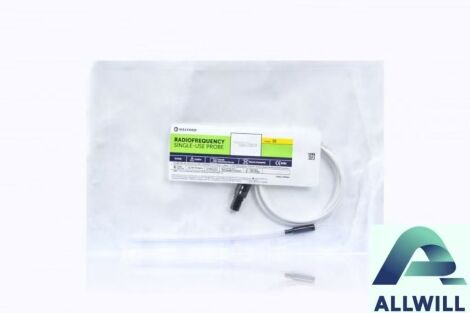
refurbished Avanos PMP-16-100C-SU
Why Are Surgical Procedures Moving to Outpatient ASCs?
Surgical procedures are moving to outpatient ASCs because same-day care can shorten patient stays, standardize high-volume workflows, and help providers control facility costs. This shift increases demand for sterile, ready-to-use disposable tools that support fast room turnover without an in-house reprocessing burden.
The Mass Relocation of Surgical Procedures to Outpatient ASCs changes purchasing behavior at a practical level. A hospital can often absorb a late delivery by borrowing from another department. An independent ASC with two operating rooms may have no such buffer. One back-ordered trocar, biopsy needle, tubing set, or sterile drape can put a full procedure list at risk.
In our experience handling urgent supply requirements, the critical issue is usually not total inventory value. It is the small group of case-stopping products. These include procedure-specific access devices, disposable cautery pencils, specimen containers, irrigation tubing, electrosurgical accessories, and implant-adjacent consumables.
ASCs should therefore distinguish between:
-
High-velocity commodities, such as gloves, gauze, syringes, and standard drapes
-
Procedure-critical disposables that must match a surgeon’s approved technique
-
Contingency items used only when a preferred product is unavailable
-
Long-lead or imported products requiring earlier purchase decisions
The most efficient centers build supply plans around actual scheduled procedures rather than relying only on last month’s aggregate purchasing report.
What Supply Problems Do Independent ASCs Face?
Independent ASCs commonly face limited storage, lean purchasing teams, smaller order volumes, supplier allocation, and changing surgeon preferences. These constraints make them more vulnerable to stockouts than large hospital systems, particularly when a single-use item is linked to a scheduled case.
A supply coordinator in an ASC may also be a nurse, administrator, or clinical technician. That person must manage receiving, expiry checks, backorders, substitutions, and case-cart readiness while supporting patient care. A purchasing process that requires manually checking multiple supplier portals every day creates avoidable operational risk.
Storage space creates another hidden cost. Overbuying low-cost disposables can consume shelves needed for high-consequence products. For example, holding 12 weeks of bulky drape packs may look safe on paper, but it can crowd out compact specialty items with longer replenishment times.
Use this stocking logic:
The best purchasing teams do not treat all SKUs equally. They put the strongest monitoring rules around items that can cancel a case.
How Do Disposable Tools Improve ASC Efficiency?
Disposable interventional tools improve ASC efficiency by arriving sterile, eliminating reprocessing steps, and creating repeatable setup conditions. The greatest operational benefit comes when the packaging, device configuration, and waste stream are designed around the center’s actual case sequence.
A disposable device is not automatically efficient merely because it is single-use. The product must fit the workflow. A kit with excessive components may lower picking time but increase waste and cost. A minimally packaged product may reduce disposal volume but require more opening steps during turnover.
During high-throughput procedure days, we have seen a 3-to-5-minute delay repeated across multiple rooms become a meaningful schedule problem. Delays often come from opening separate components, discovering incompatible connectors, or searching for a missing accessory—not from the procedure itself.
Evaluate disposable tools against these operating variables:
-
Pack-open time from sealed carton to sterile-field readiness
-
Number of separate packages required per case
-
Compatibility with existing tubing, scopes, energy platforms, or access devices
-
Shelf-life remaining at delivery and at point of use
-
Waste volume and disposal classification
-
Cost per completed procedure, not only cost per unit
For example, a $9 standalone component may appear cheaper than a $14 integrated pack. However, if the standalone item requires three additional supplies, extra checking, and two minutes of staff time, the total cost may exceed the pack. Conversely, standardized packs are poor value for low-frequency cases if 30% of the contents are routinely discarded.
How Should ASCs Set Inventory Levels for Disposables?
ASCs should set disposable inventory levels using scheduled cases, historical usage, supplier lead time, and a defined safety-stock rule. A practical model separates stock needed for confirmed procedures from reserve stock needed to absorb delivery delays, waste, and unexpected add-on cases.
Start with a procedure-level bill of materials. If a center performs 40 endoscopy cases weekly and each consumes one bite block, one waterline set, two specimen containers, and 1.2 biopsy devices on average, purchasing should begin with those case requirements—not a generic monthly order.
A useful calculation is:
Safety stock should reflect variability. For a commodity with stable weekly use and a two-day local delivery window, five to seven days of reserve may be enough. For a specialty disposable with a 14-day replenishment window, volatile demand, or uncertain imports, two to four weeks may be justified.
Count physical stock by usable status. Products held for a future case, recalled items, damaged boxes, expired cartons, and products with too little remaining shelf life are not available inventory. This simple distinction prevents false confidence in inventory dashboards.
Which Sourcing Channels Create a Resilient Supply Base?
A resilient ASC supply base combines a primary contracted source, clinically validated alternatives, and a rapid-response channel for shortages. Relying on a single distributor is efficient during normal conditions but risky when allocations, manufacturer delays, or transport disruptions affect a case-critical disposable.
The right approach is not uncontrolled multi-sourcing. Too many unvalidated suppliers can increase counterfeit exposure, documentation gaps, inconsistent packaging, and staff confusion. Instead, establish controlled alternatives for the products that would stop procedures if unavailable.
HHG GROUP LTD can support this approach by connecting clinics, suppliers, technicians, and service providers through a protected, transparent medical-industry marketplace. For centers seeking used or new equipment alongside disposable-related sourcing relationships, a broader supplier network can improve visibility and create practical contingency options.
A mature sourcing file for every critical product should include:
-
Manufacturer, model, reference number, and required specifications
-
Primary source and expected lead time
-
Two approved alternatives, where clinically appropriate
-
Sterility, packaging, regulatory, and compatibility requirements
-
Minimum remaining shelf-life acceptance rule
-
Escalation contact for urgent supply interruptions
For single-use sterile products, do not accept “equivalent” as a purchasing description. Confirm dimensions, connector type, material, sterile barrier configuration, intended use, and clinician approval before adding the item to an emergency substitute list.
Can Real-Time Stock Visibility Generate Better Supplier Partnerships?
Real-time stock visibility can improve supplier relationships because it lets buyers request quotes when demand is active and lets suppliers respond to defined requirements instead of vague inquiries. The information must be accurate, current, and tied to usable inventory rather than a static catalog quantity.
For suppliers, a visible stock position paired with a clear Request Quote action can capture high-intent ASC buyers at the moment a shortage, expansion, or new service-line need becomes urgent. The quote request should ask for quantity, required delivery date, item reference, condition requirements, and destination.
For buyers, inventory visibility should never replace verification. Before committing to a purchase, confirm lot traceability where applicable, expiry date, packaging integrity, shipping conditions, and whether the product configuration precisely matches the requested reference.
HHG GROUP LTD helps make these conversations more structured by providing a secure environment where medical-industry participants can identify opportunities, exchange requirements, and build commercial connections with greater confidence.
How Can ASCs Validate Disposable Alternatives Safely?
ASCs can validate disposable alternatives safely by using a documented clinical-review process before a shortage occurs. The review should compare intended use, dimensions, materials, sterility, connectors, packaging, instructions, and compatibility with equipment already in service.
Do not wait until 6:30 a.m. on a procedure day to decide whether a substitute will work. That is when rushed decisions create waste, staff uncertainty, and potential clinical risk. Build an alternative-product review calendar during normal operations.
A practical review process includes:
-
Obtain the product data sheet, instructions, and samples.
-
Compare technical parameters with the approved item.
-
Have the relevant clinician assess handling and procedure fit.
-
Run a controlled trial on an appropriate scheduled case.
-
Record approval scope, restrictions, and reorder reference.
-
Train staff on visual differences in packaging or setup.
In production and fulfillment environments, the most frequent substitution failures are surprisingly basic: a connector gender mismatch, an undersized lumen, a changed accessory count, or packaging that does not suit the sterile-field opening sequence. Those details matter more than a broad “compatible with” claim.
When Should an ASC Use Procedure Packs Instead of Individual Items?
An ASC should use procedure packs when case volumes are predictable, component usage is consistent, and the pack eliminates meaningful picking or setup time. Individual items remain preferable when surgeons vary their technique, case mix changes frequently, or pack waste exceeds labor savings.
For a stable procedure line, packs can simplify receiving, reduce item touches, and make case-cart preparation more consistent. But pack design needs review every quarter. A procedure that gains one additional disposable component can create last-minute opening work if the pack configuration remains outdated.
Measure pack performance with three numbers:
-
Percentage of components used in a typical case
-
Average setup minutes saved per procedure
-
Added cost per case after subtracting eliminated loose items
A pack that achieves 90% component use and saves four minutes of setup may be compelling. A pack that leaves five unopened items after every case is usually a sign that the configuration needs revision. Ask suppliers whether component counts, drape dimensions, and labels can be tailored within practical minimum-order quantities.
HHG GROUP LTD Expert Views
“In frontline supply operations, the most expensive shortage is rarely the highest-priced device. It is the overlooked disposable that prevents a scheduled procedure from starting. We advise ASCs to map every case-stopping item, reserve it against booked procedures, and approve alternatives before supply pressure occurs. A transparent marketplace approach also helps buyers move faster because they can compare available options, clarify requirements, and build supplier relationships before an urgent need arises.” — HHG GROUP LTD
HHG GROUP LTD supports sustainable medical-industry collaboration by helping buyers, sellers, clinics, and service providers connect across equipment and related healthcare supply requirements.
What Are the Most Important Actions for ASC Buyers?
ASC buyers should protect procedure continuity by controlling critical inventory at the case level, not merely by reducing total spend. Strong disposable sourcing depends on accurate demand signals, qualified alternatives, disciplined receiving, and supplier communication before a shortage becomes urgent.
The most actionable priorities are:
-
Identify the 20 to 50 products most likely to delay a procedure if unavailable.
-
Assign reorder points based on demand, lead time, and supply variability.
-
Reserve case-specific items once procedures are scheduled.
-
Review expiry and packaging condition during receiving, not on procedure day.
-
Validate substitutes through clinicians and document the approved scope.
-
Use transparent sourcing channels, including HHG GROUP LTD, to develop credible contingency relationships.
-
Measure stockouts, emergency freight, expired inventory, and cancelled-case causes monthly.
A resilient ASC is not the one with the fullest storeroom. It is the one that knows exactly which supplies matter, where alternatives exist, and how to obtain the right item before the first patient arrives.
Can ASCs Reduce Costs Without Creating Stockouts?
Yes. ASCs can reduce costs without increasing stockouts by focusing on total procedure cost, removing low-value variation, consolidating predictable demand, and protecting safety stock only for items with real interruption risk.
Should every disposable have two approved suppliers? No. Prioritize dual sourcing for procedure-critical products, long-lead items, and products with a history of allocation or delayed delivery.
How often should ASC par levels be reviewed? Review high-velocity and critical items monthly, then recalculate immediately after a new surgeon, procedure type, or schedule expansion changes demand.
What is the best way to control expired disposable stock? Use first-expiring, first-out rotation; record expiry at receipt; flag products within a defined review window; and avoid buying bulk quantities solely to obtain a modest unit-price discount.
Can used-equipment sourcing affect disposable planning? Yes. A different device platform may require different compatible tubing, accessories, sensors, or single-use instruments. Confirm consumable availability before acquiring equipment.
Part of the OR Instruments & Sterilisation guide.