Laparoscopic instrument insulation testing
A testing-and-records guide for biomedical and sterile-processing teams responsible for reusable laparoscopic instruments, current as of September 2026. Test methods and acceptance limits come from the instrument manufacturer's instructions and the standards your facility…
A testing-and-records guide for biomedical and sterile-processing teams responsible for reusable laparoscopic instruments, current as of September 2026. Test methods and acceptance limits come from the instrument manufacturer’s instructions and the standards your facility works to; this guide gives no repair instructions.
Insulation is the part of a laparoscopic instrument nobody looks at and everybody depends on. The shaft is coated so that electrosurgical energy leaves the instrument where the surgeon intends and not somewhere else, and that coating degrades through use, cleaning and repeated sterilization. Testing exists to find the degradation while it is still a maintenance finding rather than a clinical event.
Why insulation testing exists
An instrument’s insulation performs a simple function under demanding conditions: it separates the conductive shaft from surrounding tissue along its whole length. Damage can be visible ¡ª a nick, a crack, a scorch mark ¡ª or invisible, a pinhole or a thinning of the coating that a visual inspection will not reveal. Because the consequence of a defect appears during energy delivery rather than during handling, detection cannot rely on the operator noticing something.
That is the reasoning behind a scheduled test: to check the barrier systematically, on a defined interval, with a documented result, rather than waiting for an instrument to fail visibly.
When reusable instruments need testing
Testing intervals are set by the manufacturer’s instructions and by your facility’s policy, and they vary by instrument type and by how it is reprocessed. Three triggers are common in practice, and they answer different questions.
- Scheduled interval testing: a periodic check tied to the instrument’s reprocessing or maintenance cycle.
- Event-driven testing: after any event that could damage the coating ¡ª a dropped instrument, a reported malfunction, or an instrument involved in an incident.
- Incoming inspection: for instruments acquired used, before they enter the reprocessing cycle.
Write the interval with a reference to the source that sets it. As with any maintenance schedule, an interval that cannot be traced to a manufacturer instruction or a facility policy is a finding in its own right.
Test methods and equipment
| Method | What it detects | Practical notes |
|---|---|---|
| Visual and tactile inspection | Visible cracks, nicks, scorching, exposed metal and cable damage | Performed on every instrument; catches only what can be seen |
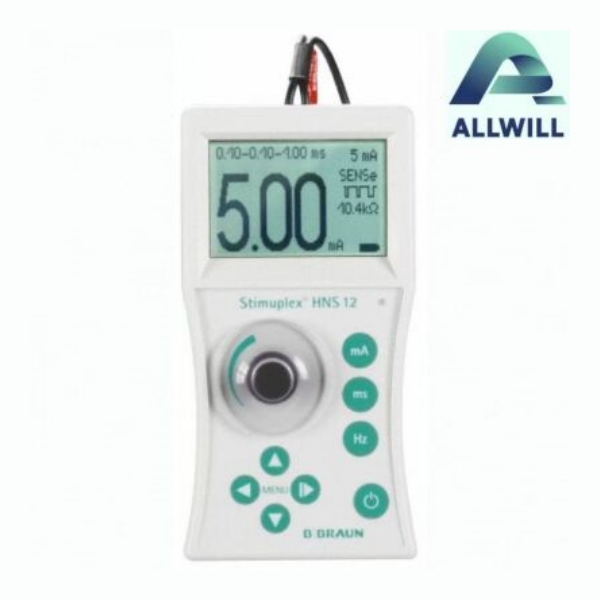
| Insulation or leakage testing with a dedicated tester | Defects in the coating that are not visually apparent | Follow the instrument and tester manufacturer’s procedures; the tester needs its own calibration status |
| Electrical safety testing of the assembled system | Safety of the generator and its accessories as a system | Performed by qualified personnel as part of the energy equipment programme |
The equipment matters as much as the method. The tester must be used within its intended application, and ¡ª like any measuring instrument ¡ª it should itself be verified on a schedule. A test result produced with an uncalibrated tester is not evidence.
Running the test and recording results
| Log field | What to record |
|---|---|
| Instrument identification | Type, part number and serial or asset number |
| Test method and equipment | The method used, and the tester’s identity and calibration status |
| Test points | Where on the instrument the check was performed, including shaft and any articulating section |
| Result | Measured values where the method produces them, and the pass or fail decision against the manufacturer’s limit |
| Performer and date | Who performed the test and when |
| Action | Return to service, quarantine, or removal from service ¡ª with the reason |
Where testing fits in reprocessing
The test only works if its result travels with the instrument. In practice that means the outcome is recorded against the instrument’s identifier in the same system that holds its reprocessing records, so that the next person to handle it can see whether it has been tested and what the result was. An instrument whose insulation status is recorded on a paper log that stays in the workshop is, for practical purposes, untested when it reappears in the sterile store.
The same logic applies to the interval itself. Testing schedules drift when they are held in someone’s memory, which is why the interval and the last test date belong in the asset record alongside the reprocessing history, with an alert when the next test falls due.
Handling failures
A failed instrument leaves the pool that day. The practical sequence is to remove it from circulation, tag it so it cannot re-enter reprocessing by mistake, record the failure with the actual finding, and route it through your repair-or-replace decision. Where an instrument is repaired, the repair must be performed by an authorised party following the manufacturer’s instructions, and the instrument must be re-tested before returning to service.
Where a failure is associated with a clinical event, follow your facility’s incident-reporting process, and check whether the manufacturer has published any relevant notice about that instrument family.
Testing as part of instrument lifecycle
Insulation testing is one line in an instrument’s lifecycle file, alongside reprocessing records, repairs and removal from service. Used together they answer questions that no single record can: how many cycles this instrument has seen, whether its failure was sudden or preceded by earlier findings, and whether a particular instrument family is generating a pattern worth raising with the manufacturer.
Questions buyers ask
Is visual inspection enough?
No. It catches what is visible, which is valuable, but defects in the coating are frequently not visible. Where the instrument’s instructions specify electrical insulation testing, the visual check does not replace it.
What acceptance limits should we apply?
The limits in the instrument manufacturer’s instructions, or in the standard your facility works to for that instrument type. Do not adopt a figure from another product: the correct limit belongs to the instrument and its test method.
Can instruments be repaired and returned to service?
Only through an authorised process that follows the manufacturer’s instructions, followed by re-testing. Unauthorised work on an insulated instrument removes the basis on which the original testing rested.
Test on schedule, record what you measured, and let a failed instrument leave service the same day. If you are sourcing reusable laparoscopic instruments and want to know what test and service records travel with them, ask HHG for the records on a specific item, or browse the current instrument listings. Related reading: electrosurgical generator safety and leakage protection and thermal spread in laparoscopic dissection.