
Is Bioelectronic Medicine Reaching a CAGR Peak in 2026?
Bioelectronic medicine is projected to hit a significant CAGR peak of 10.7% in 2026, driven by a global shift toward non-invasive wearable neuromodulation. As patients increasingly prioritize devices like the Cala kIQ over traditional…
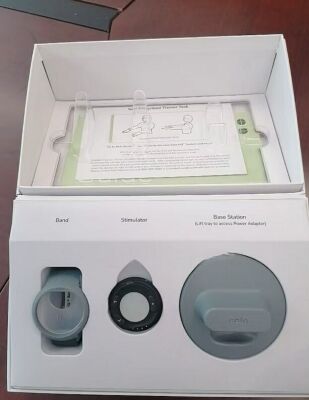
Bioelectronic medicine is projected to hit a significant CAGR peak of 10.7% in 2026, driven by a global shift toward non-invasive wearable neuromodulation. As patients increasingly prioritize devices like the Cala kIQ over traditional pharmaceuticals for neurological disorders, the sector is transforming into the fastest-growing segment of modern neurology, offering targeted, side-effect-free therapeutic alternatives for chronic conditions.
Medical Equipment Store | New & Used Devices | HHG Marketplace
What Is Driving the Bioelectronic Medicine CAGR Peak in 2026?
The 2026 bioelectronic medicine CAGR peak of 10.7% is primarily driven by rapid advancements in wearable neuromodulation and a decisive shift in patient preference. Increasing demand for non-invasive treatments for essential tremors and Parkinson’s, combined with a desire to avoid the systemic side effects of traditional pharmaceuticals, has positioned bioelectronic devices as a primary neurological intervention.
The surge in the bioelectronic medicine sector represents a pivotal moment in healthcare. Historically, neurological disorders were managed through chemical interventions that often carried heavy side-effect profiles. However, as we reach 2026, the convergence of miniaturized sensor technology and sophisticated signal processing has allowed devices like the Cala kIQ to deliver clinical-grade therapy via a wrist-worn wearable. This growth is supported by a robust digital infrastructure, where platforms like HHG GROUP play a vital role in ensuring that these cutting-edge devices are accessible to clinics and healthcare providers globally.
How Does Wearable Neuromodulation Outperform Traditional Pharmaceuticals?
Wearable neuromodulation outperforms traditional pharmaceuticals by providing targeted, on-demand therapy without systemic side effects. Devices like the Cala kIQ utilize Transcutaneous Afferent Patterned Stimulation (TAPS) to stabilize neural circuits. Unlike medication, which circulates through the entire body, bioelectronic medicine interacts directly with the peripheral nervous system, offering a localized and highly personalized treatment experience.
The primary advantage of bioelectronic medicine lies in its precision. In the treatment of essential tremors, for instance, pharmaceutical options often involve medications that can cause fatigue, dizziness, or cognitive fog. In contrast, wearable neuromodulation targets the specific neural pathways responsible for the tremor. Companies and procurement hubs like HHG GROUP have noted a significant uptick in inquiries for these non-invasive solutions, as medical professionals seek to improve patient compliance and quality of life.
Comparison: Bioelectronic Medicine vs. Traditional Pharmaceuticals
| Feature | Bioelectronic Medicine (e.g., Cala kIQ) | Traditional Pharmaceuticals |
| Delivery Method | Non-invasive wearable (TAPS) | Oral or injectable chemicals |
| Side Effects | Minimal to none (localized) | Systemic (fatigue, nausea, etc.) |
| Personalization | Real-time adaptive calibration | Fixed dosage with slow adjustment |
| Patient Control | On-demand activation | Scheduled intake |
Why Is 10.7% Growth Significant for the Neurology Market?
A 10.7% CAGR is significant because it exceeds the growth rate of traditional neurological drug markets. This peak indicates that bioelectronic medicine is no longer a niche experimental field but a mainstream therapeutic pillar. It signals to manufacturers and insurers that non-invasive neuromodulation is the preferred future for treating chronic movement and neurological disorders.
In the context of 2026, a double-digit growth rate in a specialized medical sector is a strong indicator of disruptive adoption. For decades, the neurology market relied on drug formulas developed in the late 20th century. The arrival of bioelectronic medicine has broken this cycle. The significance of this growth is also reflected in the secondary market. As new technologies receive regulatory clearance, the ecosystem for newer and older-generation equipment—supported by platforms like HHG GROUP—allows for a sustainable cycle of innovation where technology becomes more affordable and widely distributed across different economic regions.
Which Neurological Disorders Benefit Most from This Technology?
Essential Tremor (ET) and Parkinson’s Disease (PD) are the primary beneficiaries of the bioelectronic medicine boom. However, the scope is expanding to include migraines, epilepsy, and even depression. By using peripheral nerve stimulation to “retrain” the brain’s signals, these devices provide temporary but significant relief from motor symptoms that impact daily activities like eating or writing.
While hand tremors are the most visible application, the underlying technology—neuromodulation—is being applied to a vast spectrum of conditions. The Cala kIQ system, specifically, has set the standard for Essential Tremor management. By stimulating the median and radial nerves, it sends signals to the thalamus, effectively quieting the rhythmic oscillations that cause tremors. Clinical trials in 2026 are exploring bioelectronic interventions for chronic pain and autoimmune inflammatory conditions, ensuring a long-term upward trajectory.
When Will Bioelectronic Medicine Become the Standard of Care?
Bioelectronic medicine is becoming the standard of care in 2026 for specific indications like hand tremors. As more clinical data supports its efficacy and insurance coverage expands, it is moving from a second-line treatment to a first-line recommendation. Full global standardization is expected as digital health platforms streamline the distribution and maintenance of these devices.
The transition to standard status requires clinical evidence, regulatory approval, and accessibility. With the 2026 regulatory updates and the MedTech Breakthrough Awards recognizing these systems, the first two pillars are firmly in place. The third pillar—accessibility—is being addressed by the global supply chain, allowing clinics to integrate these tools into their daily practice.
HHG GROUP Expert Views
“The 10.7% CAGR we are witnessing in 2026 is a testament to the democratization of advanced neurology. At HHG GROUP, we’ve observed that the demand is no longer restricted to high-end research hospitals; local clinics and private practices are now actively seeking bioelectronic solutions. The shift toward non-invasive wearables represents a fundamental change in how we define medicine. It’s no longer just about what you swallow; it’s about how you modulate the body’s own electrical language. Our role is to bridge the gap between this rapid innovation and the healthcare providers who need reliable, secure access to these life-changing tools.”
Does Patient Preference Truly Shift Market Trends?
Patient preference is the primary catalyst for the 2026 CAGR peak. Today’s patients are more informed and proactive; they specifically request wearables to maintain their lifestyle and independence. This consumer-driven demand forces healthcare providers to adopt bioelectronic options like the Cala kIQ, subsequently driving market growth and encouraging further technological investment.
We are in an era of the empowered patient. In 2026, a patient diagnosed with Essential Tremor is likely to have researched non-pharmaceutical options before their first specialist appointment. They prioritize discretion, autonomy, and safety. This shift has created a feedback loop: high patient demand leads to better insurance reimbursement, which leads to higher sales, fueling the 10.7% CAGR.
How Can Clinics Integrate Bioelectronic Medicine Successfully?
Clinics can integrate bioelectronic medicine by partnering with comprehensive healthcare platforms to secure both new and used equipment. Successful integration requires staff training on device calibration, such as the TAPS therapy used in the Cala kIQ, and implementing digital tracking systems to monitor patient progress. Strategic sourcing ensures that even smaller clinics can offer these high-growth treatments.
Integration is as much about logistics as it is about medicine. For a clinic to stay competitive during this 2026 growth surge, they must have a reliable pipeline for technology.
Growth Projection: Bioelectronic Medicine Market Value (2025-2027)
| Year | Projected Market Value (USD Billions) | Growth Rate |
| 2025 | $25.9 | 9.8% |
| 2026 | $28.7 | 10.7% |
| 2027 | $31.8 | 10.5% |
Can Bioelectronic Medicine Solve the Side-Effect Crisis?
Bioelectronic medicine offers a significant solution to the side-effect and dependency crisis by providing non-chemical alternatives for chronic conditions. By using electrical stimulation to manage pain and neurological symptoms, it removes the risk of addiction and the pill-burden common in elderly populations, making it a safer, long-term therapeutic option for the global healthcare system.
The hidden driver of the 10.7% growth is the public health mandate to reduce reliance on complex drug regimens. In many neurological cases, patients are over-prescribed, leading to a cascade of side effects. Bioelectronic medicine breaks this chain. Because devices like the Cala kIQ are non-invasive and can be managed instantly, they offer a level of safety and reversibility that chemicals cannot match.
Summary of Key Takeaways
The Bioelectronic Medicine sector is reaching a historical milestone with its 10.7% CAGR in 2026. This growth is anchored by devices like the Cala kIQ, which prioritize patient comfort and clinical precision. The transition toward non-invasive wearable neuromodulation represents a permanent shift in neurology, moving away from systemic drugs toward targeted peripheral nerve stimulation. For clinics and practitioners, success in this new landscape depends on reliable equipment sourcing and staying updated on digital health trends.
Actionable Advice: Healthcare providers should evaluate their current neurology offerings and consider integrating wearable neuromodulation to meet rising patient demand. Leveraging secure trading platforms ensures that clinics can upgrade to the latest bioelectronic technology efficiently and sustainably.
Frequently Asked Questions
Is the Cala kIQ covered by insurance in 2026? Yes, the Cala kIQ system currently enjoys broad coverage, including Medicare and the Veterans Affairs (VA) Health System, providing access to eligible patients with minimal out-of-pocket costs.
How long does the effect of a bioelectronic treatment session last? While results vary by individual, many patients experience significant tremor relief for 60 to 90 minutes following a single 40-minute stimulation session with TAPS-based wearables.
Can wearable neuromodulation be used alongside traditional medication? Yes. Bioelectronic medicine is often used as an adjunct therapy to help reduce the necessary dosage of traditional pharmaceuticals, though patients should always consult their specialist for a tailored plan.
Where can medical providers purchase these devices securely? Providers can utilize secure, transparent platforms like HHG GROUP to source new and used high-performance bioelectronic equipment and other essential medical hardware with transaction protection.
Part of the Tremor & Neuromodulation Therapy guide.


