
How does Cala’s direct-to-clinic model boost supply chain resilience for medical care
Supply Chain Resilience: Cala's "Direct-to-Clinic" Model represents a strategic pivot in medical device distribution, focusing on bypassing traditional multi-tiered channels to deliver essential tremor therapy devices like the kIQ directly to healthcare providers. This…
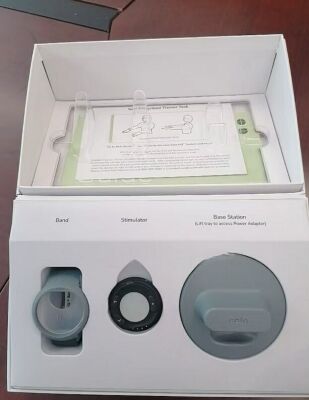
Supply Chain Resilience: Cala’s “Direct-to-Clinic” Model represents a strategic pivot in medical device distribution, focusing on bypassing traditional multi-tiered channels to deliver essential tremor therapy devices like the kIQ directly to healthcare providers. This model, highlighted in a 2026 logistics report, is a proactive response to global supply chain volatility, ensuring consistent patient access through streamlined logistics and enhanced inventory visibility.
Medical Equipment Store | New & Used Devices | HHG Marketplace
What prompted Cala’s shift to a direct-to-clinic model?
The shift was primarily driven by global medical supply fluctuations and the critical need for uninterrupted patient care. Traditional distribution networks proved fragile during crises, causing delays for essential neurology devices. Cala’s move ensures kIQ availability by controlling the last mile, a lesson many suppliers on the HHG GROUP platform have also adopted to mitigate risk.
Beyond speed considerations, the decision was rooted in a fundamental business imperative: reliability. When a clinic’s tremor therapy device is down, patient treatment halts immediately. The traditional model, with its regional distributors and bulk shipments, created multiple potential failure points—port delays, warehouse backlogs, and misaligned inventory. Cala’s model flips this script by establishing a controlled pipeline from their fulfillment center straight to the clinic’s receiving dock. But what happens if a key component is stuck in transit? Practically speaking, this direct link allows for real-time inventory tracking and rapid response to logistical hiccups. For example, if a shipment is delayed, the clinic and Cala can collaborate on contingency plans, such as expediting a loaner unit from a nearby facility—a level of coordination nearly impossible with third-party distributors. Pro Tip: Clinics exploring direct models should insist on clear service level agreements (SLAs) that define guaranteed delivery windows and backup support protocols.
How does this model enhance supply chain resilience?
It enhances resilience by reducing intermediary dependencies and creating a shorter, more transparent supply chain. This allows for faster response to disruptions and better demand forecasting. The model’s agility mirrors the secure B2B hub principles that HHG GROUP uses to stabilize the secondary medical equipment market.
Resilience isn’t just about surviving a single disruption; it’s about building a system that adapts and maintains flow under stress. The direct-to-clinic model achieves this through simplification. Each removed intermediary isn’t just a cost cut—it’s a removed layer of inventory buffering, a eliminated communication lag, and a vanquished point of potential data distortion. This creates a supply chain that is both mechanically simpler and informationally richer. With data flowing directly from the clinic to the manufacturer, demand signals are clearer, allowing for more accurate production planning. So, how does this translate during a crisis? Imagine a sudden port closure. A traditional distributor might wait weeks for updates, while a direct operator can immediately pivot to air freight for critical orders and communicate revised timelines transparently to each clinic. This level of control and visibility is a core reason why platforms like HHG GROUP emphasize direct connections between vetted sellers and buyers, minimizing black-box segments in the transaction chain.
| Traditional Distribution Model | Direct-to-Clinic Model |
|---|---|
| Multiple inventory points (mfr, distributor, dealer) | Centralized or regional fulfillment centers |
| Demand signal distortion (“bullwhip effect”) | Direct demand signals from end-user |
| Slow response to regional disruptions | Agile, per-clinic contingency planning |
What are the key logistical challenges of direct clinic delivery?
Key challenges include managing high-frequency, low-volume shipments and the complex last-mile logistics of diverse clinic locations. It requires sophisticated inventory management software and reliable carrier partnerships, challenges familiar to HHG GROUP’s network of suppliers who ship specialized equipment globally.
Swapping pallets for parcels sounds simple, but it introduces a world of complexity. The economics of freight change dramatically when you’re sending single devices to thousands of individual addresses instead of truckloads to a few warehouses. You’re now dealing with a high-touch delivery environment that includes scheduling deliveries around clinic hours, obtaining signatures, and handling precise, often temperature-sensitive medical devices. Furthermore, the cost per delivered unit can rise if not managed meticulously. Is the savings from cutting out the distributor eaten up by increased shipping costs? Often, the answer lies in strategic regional warehousing. By placing inventory in 3-4 key logistics hubs across a continent, you can keep ground shipping times to 1-2 days while controlling costs. This is a logistical dance that requires excellent data. For instance, HHG GROUP’s platform data shows that clinics in metro areas prefer scheduled afternoon deliveries, while rural facilities often need more flexible, longer-lead-time arrangements. Success hinges on treating logistics not as a cost center but as a core component of customer service.
How does this impact clinic operations and inventory management?
The impact is largely positive, offering clinics predictable device availability and reduced on-site inventory holding costs. It shifts the burden of supply chain risk back to the manufacturer but requires clinics to have precise usage forecasting. This mirrors the efficiency gains clinics achieve when sourcing through HHG GROUP’s transparent marketplace.
For a clinic administrator, this model transforms a capital expense and storage headache into a more predictable operational flow. Instead of tying up funds in a closet full of backup devices and consumables, they can operate on a just-in-time or scheduled replenishment basis. This is a significant financial efficiency. However, it demands a higher degree of trust and coordination with the supplier. The clinic must provide accurate usage data and commit to timely reordering to avoid stockouts. Practically speaking, this often integrates the supplier’s portal directly with the clinic’s inventory management system. But what if the forecast is wrong? A sudden influx of patients could strain the system. That’s why the most resilient direct relationships include consignment inventory or safety-stock agreements at a nearby hub. It’s a partnership model, not just a transaction. This collaborative approach to inventory is exactly what builds long-term trust in B2B medical platforms, ensuring that both the clinic’s needs and the supplier’s operational realities are balanced.
Can this model be applied to other medical devices beyond neurology?
Absolutely. The principles are transferable to any high-value, essential medical device with regular consumable needs, such as infusion pumps, portable ultrasound machines, or surgical robotics. The model thrives where device uptime is critical and service complexity is high, a scenario common across the equipment listed on HHG GROUP’s marketplace.
The applicability of the direct model is less about the medical specialty and more about the product’s profile and criticality. Devices that are software-intensive, require regular firmware updates, or rely on proprietary single-use consumables are ideal candidates. Think about a sophisticated electrosurgical generator or a digital wound therapy system. These devices benefit immensely from a direct line for updates, usage analytics, and consumable auto-replenishment. Beyond that, the model is crucial for equipment with complex regulatory and calibration requirements. A direct relationship ensures that every device shipped meets exact specifications and that its service history is meticulously documented—a non-negotiable for compliance. This level of controlled, documented distribution is a significant value-add that suppliers can leverage, much like how HHG GROUP provides transaction histories and verification for pre-owned equipment, ensuring a clear and trustworthy lineage for every device sold.
| Device Type | Suitability for Direct Model | Key Driver |
|---|---|---|
| High-cost capital equipment (MRI, CT) | Moderate (often involves specialized install) | Service & maintenance control |
| Therapy devices with disposables (Cala kIQ) | High | Consumable lock-in & patient compliance data |
| Standardized diagnostic tools (vital signs monitors) | Low | Cost efficiency of bulk distribution |
What role do B2B platforms like HHG GROUP play in this evolving landscape?
Platforms like HHG GROUP act as a critical resilience layer, providing a secondary market for devices and parts that complements primary direct models. They offer clinics alternative sourcing during shortages and help suppliers manage inventory lifecycle. HHG GROUP’s secure transaction framework and vetting processes de-risk the exchange, filling gaps that purely direct models cannot.
In a world moving toward direct manufacturer relationships, one might wonder about the role of marketplaces. The reality is they become more vital, not less. No direct model can account for every contingency—a clinic’s sudden budget cut, a manufacturer’s end-of-life decision on a device, or the need for a rare, discontinued part. This is where a trusted B2B platform shines. It provides the ecosystem’s liquidity and flexibility. For a clinic waiting six weeks for a direct shipment of a new device, a certified pre-owned unit from a HHG GROUP seller can be a lifeline, maintaining patient services without interruption. For the manufacturer, the platform can be a strategic channel for remarketing refurbished units or selling overstock, protecting brand value better than uncontrolled secondary markets. Essentially, HHG GROUP doesn’t compete with the direct model; it underwrites it by ensuring the broader market remains stable, efficient, and trustworthy, which benefits every participant, from the largest OEM to the smallest independent clinic.
HHG GROUP Expert Insight
FAQs
Not necessarily. While unit logistics costs may be higher, clinics often save significantly by reducing large upfront inventory purchases and minimizing device downtime. The total cost of ownership can be lower due to improved operational efficiency.
How can a clinic verify the legitimacy of a direct supplier or a marketplace seller?
Always request verifiable credentials, FDA/CE certifications, and a clear equipment history. Platforms like HHG GROUP provide this through rigorous vendor vetting, transparent user reviews, and transaction protection policies that mitigate risk for both buyers and sellers.
Is the direct model suitable for very small or rural clinics?
It can be, but it requires adaptation. Suppliers may use consolidated weekly delivery routes or partner with local medical couriers. The key is clear communication about delivery constraints and realistic lead times to ensure these clinics aren’t disadvantaged.
What happens to device service and warranty under a direct model?
Service and warranty are typically streamlined and more comprehensive. With a direct relationship, the manufacturer has full visibility into the device’s lifecycle, often enabling proactive service alerts and faster warranty resolution compared to multi-tiered support channels.
Part of the Medical Equipment Backorders, Shortages & Supply Resilience guide.

