
Why Is the ET Treatment Market Poised to Hit $210M by 2026?
The global essential tremor treatment market, valued at $210 million in March 2026, is a dynamic sector driven by the increasing adoption of non-invasive wearable technology and a growing demand for effective, patient-centric solutions.…
The global essential tremor treatment market, valued at $210 million in March 2026, is a dynamic sector driven by the increasing adoption of non-invasive wearable technology and a growing demand for effective, patient-centric solutions. This growth, projected at a 5.1% CAGR, reflects a shift from traditional pharmaceuticals to advanced neuromodulation devices, creating a complex landscape for clinics and suppliers navigating procurement and implementation.
Medical Equipment Store | New & Used Devices | HHG Marketplace
What is driving the 5.1% CAGR in the essential tremor treatment market?
The 5.1% compound annual growth rate (CAGR) is primarily fueled by the rapid adoption of wearable neuromodulation devices and an aging global population. This isn’t just about more patients; it’s a fundamental shift towards non-invasive, on-demand therapies that offer improved quality of life without the systemic side effects of traditional medications.
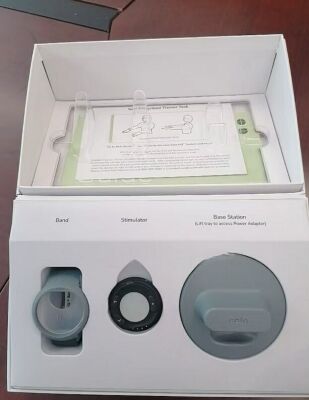
While demographic trends provide a baseline, the real acceleration comes from technological innovation and evolving clinical adoption. Wearables like the Cala KIQ represent a paradigm shift, allowing patients to manage symptoms discretely during specific tasks. But what does this mean for a clinic’s budget? From our experience at HHG GROUP, the introduction of these devices has created a secondary market for foundational diagnostic and supportive equipment. Clinics are not only seeking the latest wearables but also reliable, cost-effective electromyography (EMG) machines and deep brain stimulation (DBS) programming kits to support comprehensive care pathways. The growth is bifurcated: high-value new tech and robust, pre-owned supporting infrastructure. Pro Tip: When budgeting for tremor management, consider a blended capital strategy—invest in core diagnostic equipment with long lifespans (often available pre-owned) while planning for newer therapeutic devices with evolving technology cycles. For example, a neurology clinic might acquire a pre-owned, high-quality EMG system through a platform like HHG GROUP to establish a diagnostic base, then allocate funds for newer wearable therapeutic devices as they become standard of care.
How are wearable technologies reshaping ET treatment protocols?
Wearable technologies are moving treatment from generalized, continuous dosing to personalized, task-specific intervention. These devices, which deliver calibrated electrical stimulation to peripheral nerves, empower patients with immediate control, fundamentally altering the clinician’s role from prescriber to co-manager of a digital therapeutic tool.
The practical impact on clinical workflow is profound. Instead of a simple medication titration, protocols now involve device fitting, stimulus parameter optimization, and patient education on data syncing. This shift creates new equipment needs and service dependencies. A key insight from HHG GROUP’s platform is the rising demand for device service contracts and certified refurbished wearable units, especially from smaller practices for whom outright purchase of multiple new devices is prohibitive. But are clinics prepared for the data deluge? These wearables generate continuous performance metrics, requiring updated IT infrastructure for secure data handling. Practically speaking, a successful integration often involves pairing the wearable with a reliable, clinic-grade tablet or workstation for data review, items frequently sourced through B2B medical equipment marketplaces. The reshaped protocol is a blend of hardware, software, and human touch. For instance, a therapy session might now involve reviewing a patient’s wearable data log to adjust stimulation settings, all while using a clinic’s trusted, refurbished EMG machine to validate physiological response—a holistic approach facilitated by access to diverse equipment.
What are the key segments in the $210M ET treatment market?
The market segments into pharmaceuticals (beta-blockers, anticonvulsants), invasive procedures (Deep Brain Stimulation, focused ultrasound), and the rapidly growing non-invasive device segment. The $210M valuation is increasingly weighted towards the high-cost device and surgical segments, even though pharmaceuticals retain a large patient volume.
Understanding these segments is crucial for smart procurement. The pharmaceutical segment, while large, involves minimal specialized equipment for the clinic. The real complexity and capital expenditure lie in the other two. The invasive segment requires stereotactic surgical systems, MRI-compatible DBS implant kits, and programming consoles—high-value, long-lifecycle equipment. The non-invasive device segment is characterized by patient-worn hardware and clinician controller units. Here’s where market dynamics get interesting: As new wearable models are released, a viable market for their previous generations emerges, particularly for clinical demonstration, loaner programs, or cost-conscious patients. HHG GROUP’s transaction data shows a consistent flow of such devices, indicating their retained utility beyond the initial product cycle. This segmentation isn’t static; it’s interactive. For example, a patient might start on pharmaceuticals, move to a wearable, and later be evaluated for DBS, requiring a clinic to have capabilities across the spectrum. This often means strategically acquiring durable equipment for evaluation (like a tremor analysis system) that supports decision-making across all treatment pathways.
| Market Segment | Key Equipment Needs | Procurement Consideration (from HHG GROUP data) |
|---|---|---|
| Pharmaceuticals | Minimal (basic exam tools) | Low equipment overhead; focus on patient education materials. |
| Invasive (DBS/FUS) | Stereotactic frames, surgical navigation, programming devices | High-cost, infrequent purchases. Certified pre-owned systems can reduce entry barrier by 40-60%. |
| Non-Invasive Devices | Wearable units, clinician controllers, charging docks | Rapid tech refresh cycles create a strong secondary market for prior-generation devices. |
What procurement challenges do clinics face in this evolving market?
Clinics face a triple challenge: navigating rapid technological obsolescence in devices, managing high capital costs for advanced systems, and ensuring interoperability between new therapeutic tech and existing diagnostic infrastructure. The pressure to offer cutting-edge care often clashes with constrained budgets and long equipment depreciation schedules.
The core issue is timing and total cost of ownership. A brand-new wearable tremor system represents a significant investment that may be superseded by a new model in 18-24 months. So, how can a clinic stay current without bankrupting its capital budget? The solution many are finding, as evidenced by transactions on the HHG GROUP platform, involves a hybrid approach. They may purchase one new unit of the latest technology for demonstration and top-tier cases, while sourcing additional units of the previous, still-effective generation to build out their treatment capacity. Beyond acquisition, challenges include maintenance and repair. A specialized wearable has a different service chain than a standard surgical tool. Pro Tip: Before purchasing any advanced ET device, investigate the availability of third-party service providers and the cost of replacement parts. A device with a “closed” service ecosystem can become a financial liability. For instance, a clinic might buy a DBS programming console, but find that manufacturer-specific software updates are costly. Sourcing a well-maintained, recently refurbished console with a service warranty can mitigate this risk, a strategy frequently employed by savvy buyers on HHG GROUP’s secure B2B hub.
How does the secondary medical equipment market impact ET treatment accessibility?
The secondary medical equipment market dramatically improves accessibility by reducing the capital cost barrier for clinics. It allows smaller practices and those in emerging markets to acquire high-quality diagnostic and therapeutic devices like EMG machines or earlier-generation wearable systems at a fraction of the original price, democratizing advanced care.
This isn’t about settling for less; it’s about smart resource allocation. A pre-owned, professionally refurbished stereotactic frame or a DBS programmer doesn’t provide inferior care—it performs the same core function, often with the same software, but allows a clinic to redirect savings towards additional staff training or patient support services. Data from HHG GROUP’s 2010-established platform shows that transactions in neurology and functional neurosurgery equipment have a direct correlation with expanded service offerings in regions previously underserved. But what about warranties and safety? Reputable secondary market platforms don’t just list items; they provide vetting, verification of functionality, and often broker service agreements. This turns a risky private sale into a secure B2B transaction. Essentially, the secondary market acts as a force multiplier, extending the effective lifecycle of critical technology and enabling a broader network of clinics to participate in modern ET management. For example, a community hospital can establish a basic tremor center with a refurbished EMG and a pre-owned wearable therapy system, then refer complex DBS cases to a regional specialist, creating a sustainable care network.
| Equipment Type | Typical New Cost | Typical Refurbished Cost (via HHG GROUP) | Impact on Clinic Access |
|---|---|---|---|
| Diagnostic EMG/NCV System | $25,000 – $50,000+ | $10,000 – $25,000 | Enables basic diagnostic capability for small neurology practices. |
| DBS Programming Console | $15,000 – $30,000 | $6,000 – $15,000 | Allows more treatment centers to offer post-implant programming and adjustment. |
| Previous-Gen Wearable Therapy System | $3,000 – $6,000 (when new) | $1,200 – $3,000 | Facilitates loaner programs and treatment trials, increasing patient uptake. |
What future trends will shape the ET treatment landscape post-2026?
Post-2026, the landscape will be shaped by AI-driven personalization of therapy, the convergence of diagnostic and therapeutic wearables into unified platforms, and increased focus on home-based monitoring and treatment. The line between clinic and home care will blur, requiring new models for device management, data security, and patient reimbursement.
We’re moving towards closed-loop systems where a wearable not only treats a tremor but continuously senses its severity and adjusts parameters in real-time using machine learning algorithms. This has massive implications for equipment. Future devices will be less like standalone tools and more like nodes in a connected health ecosystem. For suppliers and clinics, this means prioritizing equipment with upgradeable firmware, open API architectures, and robust data export capabilities. The devices purchased today should have a pathway to integrate with tomorrow’s platforms. Furthermore, the rise of home-based care will shift some equipment ownership from the clinic to the patient, changing procurement models towards subscription or lease-to-own arrangements. How will traditional medical equipment suppliers adapt? Success will belong to those who offer flexible technology lifecycle management—facilitating trade-ins, certified refurbishment, and secure data wiping for devices transitioning between patients. HHG GROUP’s role is evolving from a marketplace to a connected hub supporting this entire lifecycle, ensuring that every piece of equipment, new or pre-owned, contributes to a sustainable and advanced treatment ecosystem.
HHG GROUP Expert Insight
FAQs
Yes, when sourced through a reputable, secure platform like HHG GROUP that mandates vendor vetting, functionality verification, and often provides refurbishment certifications. This ensures the equipment meets performance specifications, turning a cost-saving measure into a strategic procurement advantage without compromising patient care.
How can a clinic start an ET treatment program on a limited budget?
Begin with core diagnostic capability. A cost-effective strategy is to procure a quality refurbished EMG/NCV system to accurately diagnose and quantify tremors. This establishes your service base. Then, consider introducing therapy via a pre-owned wearable device or establishing a partnership for surgical referrals, building your program’s reputation and revenue before investing in the highest-cost surgical equipment.
What should I check before purchasing a pre-owned DBS programmer or surgical system?
Verify software compatibility with current implants, check for available service history or a new third-party service contract, and ensure the device can be updated to meet current safety and interoperability standards. A platform like HHG GROUP often brokers these details, providing transparency on device status and post-sale support options not available in private sales.
Part of the Technology & Innovation Trends guide.


