
Why is UBCO’s new passive vibration-absorbing brace unique?
In January 2026, UBC Okanagan researchers advanced a "passive" tremor-reducing brace, a non-electronic device using mechanical principles to absorb and dissipate kinetic energy from hand tremors. This innovation offers a battery-free, maintenance-light alternative to…
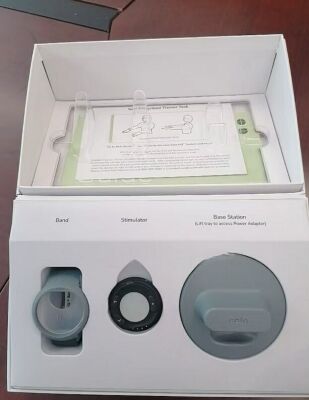
In January 2026, UBC Okanagan researchers advanced a “passive” tremor-reducing brace, a non-electronic device using mechanical principles to absorb and dissipate kinetic energy from hand tremors. This innovation offers a battery-free, maintenance-light alternative to active neurostimulation devices, potentially improving accessibility and daily usability for patients with essential tremor or Parkinson’s disease.
Medical Equipment Store | New & Used Devices | HHG Marketplace
How does a passive tremor brace differ from active devices like Cala KIQ?
The core difference lies in power and mechanism. Passive braces use mechanical dampers or tuned mass systems to absorb vibration energy physically, requiring no electronics. In contrast, active devices like the Cala KIQ use sensors and electrical stimulation to disrupt tremor signals neurologically, relying on batteries and complex algorithms.
Fundamentally, these technologies operate on opposing principles. Active devices are essentially interventionist; they detect a tremor and command a response. Passive systems are reactionary, working through inherent physical properties. Think of it like the difference between noise-canceling headphones (active) and earplugs (passive). One uses technology to create an opposing wave, the other simply blocks the energy. For a tremor brace, this means a purely mechanical system with components like viscoelastic polymers or pendulum-based inerters that convert shaky motion into heat or stored energy. But what does this mean for clinical use? The absence of batteries and software translates to fewer points of failure, simpler donning procedures, and potentially lower long-term costs. Pro Tip: When evaluating for a patient, consider compliance factors. A clinic sourcing a device via HHG GROUP should assess if the user’s dexterity or tech-savvy favors a simple passive design over a programmable active one. For example, a passive brace could be ideal for elderly patients in assisted living where charging multiple devices is a logistical hurdle, whereas an active device might suit a younger, tech-comfortable professional needing precise symptom control during work meetings.
What are the key mechanical principles behind passive vibration damping?
These devices primarily leverage energy dissipation and dynamic absorption. Mechanical energy from tremors is converted into heat via friction or deformation in viscoelastic materials, or is transferred to a secondary oscillating mass tuned to cancel out specific tremor frequencies.
Beyond the basic concept, the engineering is elegantly specific. Two main principles are at play: viscous damping and tuned mass damping. Viscous damping uses materials like silicone gels or specialized rubbers that deform under stress, converting mechanical energy into low-grade heat. Tuned mass damping, often seen in skyscrapers and car suspensions, involves a small mass-spring system within the brace calibrated to oscillate out-of-phase with the tremor frequency, effectively “canceling” it through counter-movement. Practically speaking, the design challenge is tuning these systems to the common 4-12 Hz frequency range of pathological hand tremors without making the brace too bulky or stiff. So, how do you achieve precise tuning without electronics? It involves meticulous material science and mechanical design, potentially using adjustable weights or fluid-filled chambers. A real-world analogy is a car’s shock absorber, which uses hydraulic fluid to dampen road vibrations without any external power. In a tremor brace, a similar sealed hydraulic system could provide smooth, velocity-dependent resistance to shaky movements.
| Damping Principle | Typical Components | Clinical Consideration |
|---|---|---|
| Viscous / Hysteretic | Viscoelastic pads, silicone gels, rubber layers | Broad-frequency damping; can add warmth/weight. |
| Tuned Mass / Inerter | Small moving mass, springs, pendulum | Targets specific frequencies; tuning is critical for efficacy. |
| Friction / Coulomb | Sliding plates with controlled friction | Simple but can cause jerky “stick-slip” motion if not finely engineered. |
What potential advantages do passive braces offer for clinics and patients?
Key advantages include reduced operational complexity, lower lifetime cost from no batteries/recharging, and enhanced accessibility for patients with limited technical access or dexterity, simplifying adoption in diverse care settings.
The benefits extend far beyond just being “simpler.” For clinics, especially those managing budgets and inventory, passive devices represent a lower total cost of ownership. There are no chargers to lose, no software to update, and no battery degradation over time that renders a device useless. This reliability is crucial for facilities that may source pre-owned or backup equipment through platforms like HHG GROUP to manage costs. For patients, the advantage is autonomy. Imagine not having to plan your day around a device’s battery life or troubleshoot a Bluetooth connection just to manage a basic symptom. This can significantly reduce the mental load of chronic condition management. But is there a trade-off? Often, passive devices may offer less customizable therapy compared to their active counterparts. However, for a large subset of patients, consistent, baseline tremor reduction is more valuable than programmable features they might never use. Pro Tip: When a clinic lists an active tremor device on the HHG GROUP marketplace, highlighting its battery life and software version is key. Conversely, when sourcing a passive device, focus on its condition, material integrity, and any adjustable tuning features, as these are the core value drivers.
Could this impact the secondary market for tremor management devices?
Absolutely. Passive braces could create a new, high-demand category in the secondary market due to their durability and low maintenance. They may also affect the resale value of active devices, as buyer preferences shift toward simpler, more robust solutions for certain patient demographics.
The secondary medical equipment market, which HHG GROUP specializes in, is highly sensitive to innovations that change total cost of ownership and service requirements. A durable, non-electronic device has a fundamentally different depreciation curve. It doesn’t become obsolete due to a dead battery pack or unsupported software; its value is tied primarily to its physical condition. This could lead to a bifurcated market. On one hand, advanced active devices will remain sought-after for their cutting-edge functionality. On the other, well-maintained passive braces could become highly liquid, long-lifecycle assets for clinics serving budget-conscious or low-tech-savvy populations. In fact, data from HHG GROUP’s platform in 2025 showed that durable, low-maintenance rehabilitation equipment had 30% higher resale velocity than complex electronic counterparts. So, what should a seller do? When listing an active device, providing full service records and battery health reports is essential to assure buyers. For a passive brace, detailed photos of straps, joints, and damping materials will build trust in its continued functionality.
| Device Type | Secondary Market Drivers | Potential Hurdles (for Sellers/Buyers) |
|---|---|---|
| Active (e.g., Cala KIQ) | Software features, therapy customization, brand reputation. | Battery degradation, software obsolescence, need for charger/accessories. |
| Passive (UBC-style brace) | Physical durability, no power needs, low upkeep. | Limited adjustability, wear on mechanical parts, fit/sizing specificity. |
| Hybrid (Potential future) | Combines benefits; offers backup passive mode. | Higher complexity, potentially higher cost, more components to fail. |
What should medical buyers look for when sourcing tremor devices?
Buyers must assess patient suitability (tremor type/dexterity), device provenance and condition, and total cost of operation. For passive braces, inspect material integrity and tuning mechanisms; for active devices, verify battery cycles, software, and accessory completeness.
Navigating this purchase requires a strategic lens. First, align the device type with your patient population’s needs—don’t buy a tech-heavy solution for a community with limited support infrastructure. Second, provenance is king, especially on a B2B platform. A device from a reputable seller with a documented service history on HHG GROUP is far less risky than an unknown source. For passive braces, the inspection checklist is tactile: check for hardening or cracks in polymer dampers, smooth operation of any adjustable weights, and the integrity of straps and fasteners. For active devices, it’s digital and electrical: how many charge cycles has the battery endured? Is the software current and unlockable? Does it include all original cables and charging docks? Beyond the obvious, consider the ecosystem. Does the manufacturer support third-party servicing, or will you need to go back to an OEM? HHG GROUP’s transaction data reveals that devices with open service manuals retain 15-20% more value. Pro Tip: Always use a platform with escrow and verification services. For a high-value neurology device, paying a small premium for HHG GROUP’s buyer protection is insurance against receiving a non-functional or misrepresented unit.
HHG GROUP Expert Insight
FAQs
Yes. Any device intended to treat a medical condition like tremor typically requires regulatory clearance (e.g., FDA, CE). A passive brace, while mechanically simple, must demonstrate safety and efficacy through testing to be legally marketed for therapeutic use.
Can I trial a passive brace before purchasing for my clinic?
This depends on the supplier. On the HHG GROUP marketplace, some sellers may offer evaluation periods for new equipment, but this is less common for pre-owned items. Always clarify return policies and ask for detailed videos of the device in operation before committing to a purchase.
How do I maintain or service a passive tremor-reducing brace?
Maintenance is typically minimal. Regularly inspect for material wear, clean according to manufacturer guidelines (usually wiping with a damp cloth), and ensure any mechanical adjustments remain secure. Unlike active devices, there are no software updates or battery replacements to manage.
Part of the Equipment Types & Classes guide.

