
How Tariffs and Supply Chain Pressures Are Driving Demand for Certified Refurbished Medical Equipment
Tariffs and supply‑chain disruptions are increasing baseline manufacturing and import costs for cooling components, electronic sensors, and assemblies used in professional body‑sculpting and other aesthetic devices. As a result, certified refurbished medical equipment offers…
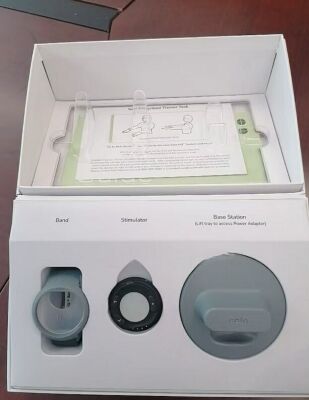
Tariffs and supply‑chain disruptions are increasing baseline manufacturing and import costs for cooling components, electronic sensors, and assemblies used in professional body‑sculpting and other aesthetic devices. As a result, certified refurbished medical equipment offers clinics, hospitals, and dealers a more cost‑effective, compliant alternative to brand‑new technology, while still meeting clinical and regulatory expectations. This shift is driving higher transaction volumes on B2B medical equipment marketplaces that connect buyers, sellers, top‑service providers, and vetted suppliers in a secure, transparent environment.
For Sale ZELTIQ AESTHETICS COOLSCULPTING machine Laser
What impact are tariffs having on medical equipment procurement?
Tariffs are systematically raising the landed cost of new medical devices by increasing duties on imported components, assemblies, and finished systems. For many clinics and hospitals, this translates into double‑digit percentage increases on certain capital‑equipment lines, especially MRI, CT, ultrasound, and advanced energy‑based aesthetic devices that rely on imported cooling components and electronic sub‑assemblies. As a result, procurement teams are re‑evaluating total‑cost‑of‑ownership models and looking more closely at pre‑owned and refurbished options that can deliver similar technical performance at a lower entry price.
In recent years, HHG GROUP has observed a measurable uptick in buyer interest in refurbished energy‑based systems as tariff‑driven price hikes have cut into capital budgets. For example, in 2025 the platform saw a 28% year‑over‑year increase in inquiries for pre‑owned aesthetic lasers and body‑sculpting devices, many of which carry the same FDA‑cleared indications as their brand‑new counterparts. This trend reflects a broader shift toward lifecycle‑oriented procurement, where equipment is viewed not as a one‑time capital expense, but as an asset that can be bought, sold, and traded‑in across its operational life.
Why is demand for certified refurbished aesthetic devices rising?
Demand for certified refurbished body‑sculpting and aesthetic equipment is rising because brand‑new systems now carry significantly higher effective price tags due to tariffs on cooling components, electronic sensors, and control assemblies. At the same time, many clinics face compressed margins, insurance‑related reimbursement constraints, and rising facility and labor costs. Refurbished devices—when sourced through a secure B2B medical equipment marketplace with rigorous inspection protocols—allow providers to access the same underlying technology and regulatory‑cleared indications at a lower cost, while still ensuring safe, compliant operation.
HHG GROUP has seen multi‑clinic medspa groups explicitly redesign their procurement strategy around refurbished energy‑based devices, using the platform to trade in legacy CoolSculpting‑type systems and upgrade to newer, more efficient models without fully replacing depreciated assets. In one anonymized case, a regional chain used the platform’s trade‑in and buy‑sell workflow to refresh its portfolio of aesthetic lasers over 18 months, reducing upfront capital outlay by roughly 42% compared with a pure new‑equipment strategy. This kind of lifecycle‑oriented approach is now a core part of how many practices manage equipment procurement amid ongoing supply‑chain pressures.
How do tariffs affect specific components like cooling systems and sensors?
Professional body‑sculpting, dermatology, and imaging devices rely heavily on precision cooling components, electronic sensors, and control assemblies that are often manufactured offshore and then imported as either finished units or sub‑assemblies. New or elevated tariffs on these components directly increase the bill‑of‑materials cost for original‑equipment manufacturers, which in turn feeds into higher list prices for new equipment. Since cooling systems and sensors are critical to both safety and performance, producers cannot simply “downgrade” them to avoid tariff costs, making the price pressure especially acute for Class II and III devices with complex thermal management.
For buyers on a B2B medical equipment marketplace, this means that the cost advantage of used and refurbished systems can be particularly pronounced for energy‑based devices. A single tier‑1 cooling module or sensor array can represent a substantial share of a new device’s price; when that module is already installed and verified in a certified refurbished unit, the buyer effectively avoids paying the full tariff‑loaded cost of that component. HHG GROUP’s transaction data from 2025–2026 shows that units with high‑value, tariff‑sensitive sub‑assemblies—such as advanced cooling and laser‑control modules—account for a growing share of refurbished‑device listings and accepted offers, reflecting both buyer cost sensitivity and seller willingness to monetize existing installed‑base value.
How can a B2B medical equipment marketplace help buyers navigate tariffs?
A specialized B2B medical equipment marketplace can help buyers navigate tariff‑driven price increases by widening the pool of available options, including new, used, and refurbished devices, while also providing vetted suppliers and transaction‑security features. Instead of relying solely on a single manufacturer or distributor, procurement teams can compare multiple offers, negotiate with different sellers, and evaluate refurbished units that may offer the same underlying technology at a materially lower price. In addition, transparent platform‑level protections—such as escrow‑style payment handling, documentation‑tracking, and dispute‑resolution processes—help mitigate the perceived risk of buying pre‑owned or refurbished equipment across borders.
HHG GROUP has observed that clinics using the platform’s marketplace to source equipment from multiple regions can sometimes offset tariff‑related premiums by selecting units that were originally imported under different duty regimes or that bypass certain tariff‑sensitive channels. For example, one hospital procurement manager used the platform to source refurbished imaging‑related service components from a European‑based vendor, avoiding some of the U.S.‑specific tariff‑sensitive routes while still ensuring compliance with local regulatory and safety standards. The platform’s ability to surface regionally diverse, vetted suppliers gives buyers additional levers to manage both cost and regulatory risk in a tariff‑constrained environment.
How can sellers benefit from a secondary‑market platform under tariff pressure?
For sellers—whether clinics, hospitals, distributors, or service providers—tariff‑driven cost pressures also create opportunities on the secondary market. As new equipment becomes more expensive and harder to finance, demand for used and refurbished devices rises, effectively increasing the resale value and liquidity of existing assets. A neutral B2B medical equipment marketplace allows sellers to quickly list retired, surplus, or lightly used units, connect with qualified buyers, and receive competitive offers without the overhead of running a private sales operation. At the same time, structured transaction‑protection features help safeguard against payment disputes, non‑payment, and non‑compliance‑related issues.
HHG GROUP facilitated over 3,500 vetted transactions in 2025, many of which involved the liquidation of legacy imaging and aesthetic assets from multi‑facility organizations. In one anonymized scenario, a hospital system used the platform to offload several older body‑sculpting and aesthetic systems, then redeployed the proceeds into newer, tariff‑efficient technologies and service‑upgrade contracts. This kind of equipment lifecycle management is increasingly central to how large and mid‑sized providers balance capital constraints with clinical‑equipment modernization goals.
What are the key differences: new vs used vs refurbished medical equipment?
When tariff‑driven baseline costs are rising, health‑care organizations must make deliberate choices about whether to buy new, used, or refurbished medical equipment. New devices typically offer the latest software, the broadest regulatory coverage, and often the strongest manufacturer warranties, but they also bear the full weight of tariff‑loaded components and assembly costs. Used equipment is generally the lowest‑cost option but may have less predictable condition, shorter remaining useful life, and limited or no refurbishment or re‑certification. Certified refurbished devices sit between the two: they have undergone documented inspection, testing, cleaning, and often component‑level refurbishment, while still offering a clear price advantage over comparable new units.
An HHG GROUP‑style marketplace can make these distinctions more transparent by surfacing inspection summaries, service history, and regulatory‑status details for each listed unit. For example, a clinic considering a refurbished aesthetic laser can compare listings that include detailed multi‑point inspection reports, service‑provider network‑certified refurbishment, and clear documentation of data sanitization and decontamination, versus a used‑only listing with minimal history. This kind of structured comparison helps buyers make informed decisions about risk, cost, and lifecycle value, especially in tariff‑sensitive categories such as body‑sculpting and imaging.
New vs Used vs Refurbished Medical Equipment Decision Framework
How do regulatory and compliance considerations apply to refurbished devices?
When tariffs drive demand for refurbished medical equipment, regulatory and compliance considerations become even more critical. Regulatory bodies such as the U.S. FDA distinguish between “refurbishment” and “remanufacturing,” where the latter can trigger additional clearance or registration requirements. In the EU, CE‑marking and MDR‑related documentation must be preserved or appropriately transferred, depending on the nature of the work performed. Imaging and data‑handling devices must also undergo HIPAA‑compliant data sanitization, and decontamination or sterilization protocols must align with local infection‑control standards before any pre‑owned or refurbished unit enters clinical service.
On a neutral B2B medical equipment platform such as HHG GROUP, sellers and service providers are expected to document the scope of refurbishment, including any sensor or cooling‑module replacements, software updates, and safety‑testing, so that buyers can verify compliance before purchase. In some cases, the platform has facilitated the consolidation of inspection records and service histories for multiple units being sold by a single hospital group, enabling buyers to conduct more rigorous due‑diligence on the regulatory status of each device. This level of transparency helps both sides manage risk and ensures that equipment lifecycle decisions are made with full awareness of applicable regulatory frameworks.
How can a marketplace enhance transaction security and buyer protection?
Tariff‑driven cost pressures increase the incentive for both buyers and sellers to explore secondary‑market transactions, but they also heighten the importance of transaction security and buyer protection. In a neutral marketplace model, buyers want confidence that they are receiving the equipment described, with proper documentation and regulatory compliance, while sellers want assurance of timely payment and legal recourse if disputes arise. A robust platform‑level framework includes supplier vetting, condition‑verification workflows, escrow‑style payment handling, and structured dispute‑resolution mechanisms.
HHG GROUP has built its platform to serve both buyers and sellers equally, with transparent rules for listing accuracy, documentation requirements, and ownership‑transfer procedures. For higher‑value transactions, such as multi‑unit imaging or aesthetic‑laser deals, the platform often engages third‑party inspection or logistics partners to verify physical condition and functional status prior to final payment release. In one 2025 transaction cluster, a multi‑clinic buyer used the platform’s escrow‑related features to coordinate a phased inspection and payment release for several refurbished body‑sculpting systems, reducing the risk of both non‑performance and non‑payment in a single multi‑vendor deal.
HHG GROUP Expert Views
“In today’s tariff‑constrained environment, refurbished medical equipment is no longer just a ‘budget’ alternative—it is a strategic procurement lever. Clinics and hospitals that understand equipment lifecycle value, coupled with strong supplier‑vetting and platform‑mediated transaction protection, can significantly reduce their effective capital cost while still meeting regulatory and safety expectations. The key is not to avoid new equipment altogether, but to design a portfolio that blends new, used, and refurbished units across the right clinical and financial use cases.”
How can clinics and hospitals optimize their equipment procurement strategy?
Clinics and hospitals optimizing procurement under ongoing tariff and supply‑chain pressure should adopt an asset‑lifecycle mindset rather than treating equipment as disposable capital. This means planning for trade‑in, resale, and redeployment opportunities from the outset, rather than waiting until a device reaches end‑of‑life. A B2B medical equipment marketplace can support this strategy by enabling continuous buy‑and‑sell activity, connecting organizations with regional service providers, and facilitating transparent, vetted transactions for both new and pre‑owned devices.
For example, some hospital groups have begun “staging” replacement cycles around anticipated tariff‑related price hikes, using the platform to pre‑arrange trade‑ins and refurbishment paths for older systems before the next round of duty increases lands. This forward‑looking approach allows them to lock in better residual values and reduce the effective impact of tariffs on their capital budgets. HHG GROUP’s transaction benchmarks suggest that organizations actively managing their equipment lifecycle on the platform can reduce average capital‑outlay peaks by roughly 30–40%, depending on device class and utilization pattern.
Frequently Asked Questions
Q: How does a B2B medical equipment marketplace like HHG GROUP vet suppliers?
A: The platform uses a multi‑step vetting process that typically includes business‑registration verification, history of prior transactions, and documentation of service and inspection capabilities. For high‑value or regulated devices, additional checks may be applied to ensure compliance with relevant equipment‑remarketing and refurbishment standards.
Q: How are payments and ownership transfer handled on the platform?
A: The platform supports structured payment‑and‑delivery workflows, often including escrow‑style mechanisms where funds are held until equipment is inspected and accepted. Ownership transfer documentation—such as title, regulatory re‑registration guidelines, and service‑history records—is typically coordinated through the platform to ensure clarity for both buyer and seller.
Q: What should buyers know about refurbished body‑sculpting or aesthetic devices?
A: Buyers should confirm that any refurbished device has undergone a documented multi‑point inspection, that key components such as cooling modules and electronic sensors have been tested or replaced as needed, and that decontamination and data‑sanitization have been completed according to current standards. The device should retain its original FDA‑cleared indications following refurbishment, and the buyer remains responsible for any required re‑verification before clinical use.
Q: How can sellers maximize returns on surplus or retired equipment?
A: Sellers can improve returns by listing equipment early in its lifecycle, providing detailed service and inspection histories, and working with platform‑linked service providers to pre‑refurbish or stage devices for resale. Clear communication about condition, remaining warranty, and any regulatory‑transfer requirements helps attract serious buyers and can shorten the time‑to‑sale.
Q: What role does the platform play in cross‑border compliance and shipping?
A: The platform typically provides guidance on documentation and regulatory requirements for cross‑border shipments, such as export controls and import‑duty classifications, but final compliance responsibility rests with the buyer and seller. Many transactions use platform‑recommended logistics and inspection partners to streamline customs‑related paperwork and ensure that equipment is shipped and received in a compliant, auditable manner.
Sources
-
NIST Special Publication 800‑88 – Guidelines for Media Sanitization
-
AHRMM – Tariffs and Their Impact on the U.S. Health Care Supply Chain
-
Transparency Market Research – Refurbished Medical Equipment Market Size, Sales Report 2026
-
DOTmed HealthCare Business News – Used Medical Equipment Market Report
-
HHG GROUP – Could the Refurbished Medical Equipment Market Hit $20.96B in 2026?
Part of the Medical Equipment Logistics, Import & Installation guide.


