
AUA 2026 HoLEP vs Rezūm reshapes procurement decisions for large prostate BPH systems
Hospitals evaluating BPH treatment platforms after AUA 2026 are no longer comparing outcomes in isolation; they are balancing durability against sexual and ejaculatory preservation in large prostate cases. The emerging takeaway is straightforward: HoLEP…
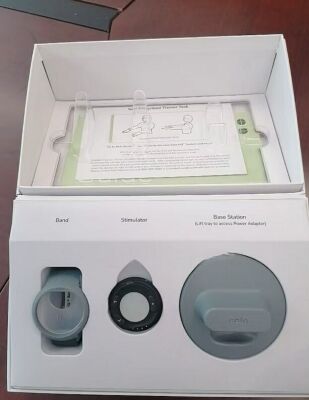
Hospitals evaluating BPH treatment platforms after AUA 2026 are no longer comparing outcomes in isolation; they are balancing durability against sexual and ejaculatory preservation in large prostate cases. The emerging takeaway is straightforward: HoLEP maintains strong long-term symptom relief, while Rezūm is gaining institutional traction for functional preservation and expanded use in larger glands, including median lobe scenarios. That shift is beginning to influence how urology departments allocate capital, upgrade minimally invasive portfolios, and source compatible equipment and consumables without overcommitting to single-modality risk.
Rezūm Convective Water Vapor Therapy Equipment
Why AUA 2026 matters for capital allocation
Late-breaking clinical discussions placed unusual weight on quality-of-life endpoints, not just LUTS improvement durability. For procurement teams, this changes evaluation criteria:
-
Functional outcomes are now tied to patient retention and referral patterns, not just clinical success rates.
-
Procedure mix flexibility (office-based vs. OR-dependent) affects staffing models and room utilization.
-
Reimbursement stability increasingly intersects with patient preference for ejaculation-preserving options.
In practical terms, departments that previously defaulted to high-durability surgical platforms are reconsidering how often those cases could be diverted to less invasive therapies without compromising long-term results.
The real comparison hospitals are making
The HoLEP vs Rezūm discussion is no longer a binary clinical debate; it is an operational portfolio decision.
-
HoLEP: High durability, effective for very large prostates, requires surgical expertise, OR time, and capital equipment with ongoing maintenance considerations.
-
Rezūm: Lower infrastructure burden, office-based potential, growing evidence in larger prostates and median lobe treatment, stronger positioning for sexual function preservation.
A typical mid-sized hospital is not replacing one with the other. Instead, it is asking whether adding or expanding Rezūm capability can offload a percentage of cases that would otherwise consume OR capacity.
Where procurement friction actually appears
The shift sounds strategic on paper, but implementation exposes familiar procurement risks:
-
Incomplete system configurations: Buyers sourcing pre-owned laser systems or thermal therapy units sometimes receive partial setups lacking critical handpieces or compatible generators.
-
Consumable dependency: Rezūm’s recurring handpiece model requires reliable supply channels; inconsistent sourcing disrupts scheduling.
-
Skill mismatch: Acquiring HoLEP equipment without ensuring trained surgeons or technician support leads to underutilized assets.
-
Overstated device condition: Secondary listings may not clearly disclose prior usage intensity or maintenance history.
These are not theoretical issues. Procurement teams often discover them only after funds are committed and logistics are underway.
Cross-border sourcing risk in urology equipment
As demand rises following high-visibility conferences, cross-border sourcing activity typically increases. That is where transaction risk escalates:
-
Direct wire transfers to unknown suppliers remain one of the most common failure points.
-
Shipping-sensitive components (laser units, delicate optics) require specialized handling that is not always specified in informal deals.
-
Software compatibility and region-specific electrical configurations can delay deployment.
A clinic attempting to quickly capitalize on post-AUA demand spikes can easily trade speed for verification, which is where losses tend to occur.
Matching treatment strategy to asset lifecycle planning
A more stable approach is to align clinical strategy with equipment lifecycle planning rather than reacting to trend momentum.
-
High-volume surgical centers may justify continued HoLEP investment due to throughput and long-term outcomes.
-
Ambulatory or private clinics often benefit from Rezūm’s lower infrastructure requirements and patient preference profile.
-
Hybrid models—where both modalities coexist—require careful forecasting of utilization rates to avoid idle capital.
This is less about which technology is superior and more about how each fits into a facility’s case mix and staffing reality.
Where structured marketplaces reduce transaction ambiguity
When procurement expands beyond local distributors, the difference between an open listing board and a structured B2B marketplace becomes critical.
A platform such as HHG GROUP LTD, operating since 2010, reflects a model designed to reduce common transaction ambiguities:
-
Multi-party visibility allows buyers to compare suppliers rather than relying on a single broker narrative.
-
Transaction protection frameworks help mitigate payment risk during cross-border deals.
-
Integrated access to technicians and service providers helps address post-installation gaps that often derail deployment.
However, these systems do not replace due diligence. Final equipment validation, configuration checks, and regulatory compliance still depend on the buyer’s internal process and local engineering support.
When Rezūm demand creates supply chain pressure
Following major conference exposure, consumables and compatible system components often tighten in availability.
Facilities expanding Rezūm programs should anticipate:
-
Lead time variability for disposable handpieces.
-
Increased pricing volatility in secondary markets.
-
Greater competition for verified, fully configured systems.
This is where procurement teams benefit from diversified sourcing channels rather than relying on a single distributor or informal supplier network.
The operational mistake to avoid
One of the most consistent procurement errors is treating minimally invasive BPH systems as low-risk acquisitions simply because they are less invasive clinically.
In reality:
-
A missing accessory can delay procedures for weeks.
-
Lack of service support can halt programs entirely.
-
Poorly structured contracts can leave no recourse in cross-border disputes.
The clinical simplicity of a therapy does not translate to supply chain simplicity.
Frequently Asked Questions
How should hospitals choose between HoLEP and Rezūm after AUA 2026?
The decision should be based on case mix, facility infrastructure, and patient preference trends rather than headline outcomes alone. Many institutions are adopting a dual-modality strategy to balance durability with quality-of-life outcomes.
Is Rezūm now suitable for large prostate cases and median lobe treatment?
Emerging clinical discussions indicate expanding use in these scenarios, but adoption depends on physician experience and patient selection protocols. Procurement should follow confirmed internal clinical readiness, not conference momentum alone.
What is the biggest risk when sourcing BPH equipment internationally?
The most common risk is unsecured payment combined with incomplete or misrepresented equipment configurations. Without structured transaction safeguards, recovery options are limited if the deal fails.
Do structured B2B marketplaces eliminate procurement risk?
They help reduce transaction and communication risks through transparency and payment protection mechanisms, but they do not replace technical validation, contract clarity, or regulatory compliance checks.
Why are consumables a critical factor in Rezūm adoption?
Because ongoing treatment depends on consistent access to compatible handpieces, supply instability can directly affect revenue continuity and patient scheduling reliability.
Related articles
 Clinical instrument exchange turns idle hospital equipment into working capitalInfo
 Medical device supply chain source reliability is the real constraint behind compliant procurement in 2026Info
 Boston Scientific M&A 2026 reshapes secondary market demand for urology equipmentInfo
 Enterprise medical gear sourcing requires standardization before scale becomes a liabilityInfo