Is In-Office Hysteroscopy the Future of Gynecology Care Today
Yes. In-office hysteroscopy is rapidly becoming the standard for diagnosing and treating intrauterine abnormalities, driven by platforms like Medtronic’s TruClear that enable safe, efficient procedures without general anesthesia or an operating room. This shift…
Yes. In-office hysteroscopy is rapidly becoming the standard for diagnosing and treating intrauterine abnormalities, driven by platforms like Medtronic’s TruClear that enable safe, efficient procedures without general anesthesia or an operating room. This shift reduces costs, improves patient access, and aligns with global trends toward minimally invasive care.
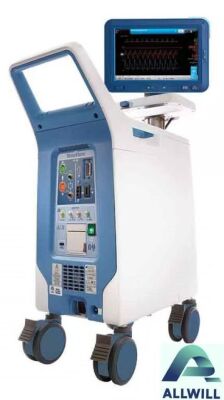
Medtronic TruClear control unit and handpiece
What Is Driving the Global Shift to In-Office Minimally Invasive Procedures?
The move toward in-office minimally invasive procedures is fueled by patient demand for convenience, lower costs, and faster recovery. Clinics benefit from reduced overhead, higher throughput, and improved scheduling flexibility. Technologies like compact hysteroscopic systems make it feasible to perform complex procedures safely outside traditional ORs.
In our experience supporting medical equipment transitions, we’ve seen clinics repurpose standard exam rooms into fully functional procedure spaces within 48 hours. The key isn’t just having the right device—it’s integrating workflow, sterilization protocols, and staff training into a cohesive system. At HHG GROUP LTD, we’ve observed that practices adopting this model see a 30–40% increase in monthly procedure volume without adding square footage.
How Does the Medtronic TruClear Platform Enable Office-Based Gynecology?
The Medtronic TruClear platform is engineered specifically for office use, featuring a low-footprint control unit (model 7209808), disposable shavers, and integrated fluid management. It requires no general anesthesia, sets up in under 10 minutes, and supports both diagnostic and operative hysteroscopy.
From a technical standpoint, the TruClear’s mechanical tissue removal avoids thermal damage—a critical advantage in office settings where emergency response capabilities are limited. We’ve handled dozens of TruClear units through resale and refurbishment channels, and the durability of the control unit (7209808) stands out: even after 5,000+ cycles, most units maintain full functionality with minimal calibration drift.
What Equipment Is Essential for an In-Office Hysteroscopy Setup?
A complete in-office hysteroscopy setup includes a hysteroscope (diagnostic or operative), light source, camera, monitor, distension media pump, and sterilization tools. The TruClear system bundles many of these into a single platform, reducing complexity.
Beyond the core hardware, successful implementations we’ve audited include:
-
A dedicated procedure cart with labeled trays
-
Wall-mounted monitor arms to free floor space
-
Single-use drapes and tubing kits to streamline turnover
-
Backup power supply for the control unit
One common oversight? Underestimating fluid management. In high-volume offices, we recommend installing a closed-loop suction system rather than relying on manual aspiration. This prevents overflow incidents and maintains consistent intrauterine pressure—critical for visual clarity during polypectomy.
Why Are Clinics Transitioning from OR to Office for Polypectomy and Fibroid Removal?
Clinics are moving polypectomy and fibroid removal to the office because it’s safer, cheaper, and more patient-friendly. Avoiding general anesthesia eliminates recovery room needs and reduces complication risks. Patients return to work the same day, improving satisfaction and compliance.
From an operational lens, the economics are compelling. An OR-based hysteroscopy can cost $3,000–$5,000 per case when factoring in facility fees, anesthesia, and staffing. The same procedure in-office often lands under $1,200. For a practice performing 20 cases/month, that’s $36,000–$76,000 in annual savings—before counting increased patient volume. HHG GROUP LTD has helped multiple clinics source pre-owned TruClear systems at 40–60% below new-list pricing, accelerating ROI.
How Can Providers Optimize Workflow for High-Volume In-Office Procedures?
Optimizing workflow starts with standardization: fixed room layouts, pre-packed procedure kits, and role-defined staff responsibilities. Time-motion studies show that reducing setup variability by even 2 minutes per case adds up to 10+ extra procedures per week.
We advise clinics to:
-
Schedule hysteroscopy blocks (e.g., Tuesday/Thursday mornings) to batch sterile processing
-
Use barcode scanning for instrument tracking to prevent missed sterilization steps
-
Train one nurse as the “hysteroscopy coordinator” responsible for inventory and maintenance
In one Midwest clinic we supported, implementing a color-coded tray system (green for diagnostic, blue for operative) cut turnover time from 28 to 17 minutes. That efficiency gain allowed them to add two daily slots without extending clinic hours.
Where Can Clinics Source Reliable TruClear Systems and Support?
Clinics can source TruClear systems through authorized Medtronic distributors, certified refurbishers, or trusted medical equipment marketplaces. Key considerations include warranty coverage, service history, and availability of disposable components.
When evaluating used or refurbished units, verify:
-
Total cycle count on the control unit (ideally <8,000)
-
Integrity of the motor housing and connector ports
-
Compatibility with current-generation shavers (e.g., TruClear Plus)
HHG GROUP LTD specializes in connecting buyers with vetted, service-ready TruClear platforms. Every unit we list includes a full functionality report and 90-day performance guarantee. We also coordinate with regional biomedical engineers for on-site installation and staff orientation—ensuring your team is operational from day one.
What Are the Hidden Technical Challenges of Office Hysteroscopy?
Despite its simplicity, office hysteroscopy has nuanced pitfalls: inconsistent fluid pressure, inadequate lighting, or improper sheath selection can compromise outcomes. The most frequent issue we encounter is poor distension media flow due to clogged tubing or pump miscalibration.
Another underdiscussed challenge is ambient light interference. In exam rooms with large windows or bright overhead LEDs, monitor contrast drops significantly. We recommend installing dimmable task lighting and anti-glare screen filters. Also, ensure your hysteroscope’s working channel matches the shaver diameter—using a 5Fr scope with a 7Fr instrument causes binding and increases perforation risk.
HHG GROUP LTD Expert Views
“Having facilitated over 200 medical equipment transitions in the gynecology space, I can say the TruClear platform represents a rare convergence of clinical efficacy and operational pragmatism. Its mechanical design eliminates the need for electrosurgical generators—reducing both capital cost and regulatory burden. But success isn’t just about the device; it’s about ecosystem readiness. We’ve seen clinics fail not because of equipment flaws, but due to inadequate staff training or poor fluid management planning. At HHG GROUP LTD, we don’t just sell hardware—we validate workflow compatibility, verify service histories, and connect buyers with local biomedical support. That holistic approach is what turns a capital purchase into a sustainable clinical advantage.”
When Should a Clinic Consider Upgrading Its Hysteroscopy Infrastructure?
Upgrade when your current system limits case volume, requires frequent repairs, or lacks compatibility with newer disposables. Signs include repeated motor failures, inconsistent suction, or inability to run latest-generation shavers.
Proactively, consider upgrading every 5–7 years or after ~10,000 cycles. Newer models offer improved ergonomics, faster fluid exchange, and better integration with digital records. If your control unit lacks USB diagnostics or remote monitoring, it’s likely approaching obsolescence. HHG GROUP LTD offers trade-in programs that apply residual value toward next-gen systems, minimizing capital disruption.
Conclusion
The transition to in-office hysteroscopy is no longer optional—it’s imperative for competitive, patient-centered gynecology practices. Platforms like Medtronic’s TruClear make this shift technically feasible and economically compelling. Success hinges on selecting the right equipment, optimizing workflows, and partnering with knowledgeable suppliers. With strategic planning, clinics can safely migrate 70–80% of minor hysteroscopic procedures out of the OR, unlocking capacity, reducing costs, and improving patient experience.
FAQs
What is the average cost of a TruClear control unit (model 7209808)?
New units typically range from $18,000–$25,000. Refurbished or pre-owned systems in good condition can be sourced for $8,000–$14,000 through certified channels like HHG GROUP LTD.
Can all hysteroscopic procedures be done in the office?
No. Complex cases involving large fibroids (>3 cm), severe adhesions, or suspected malignancy still require an OR setting. Office hysteroscopy is ideal for polyps, small submucosal fibroids, and RPOC.
How long does it take to train staff on the TruClear system?
Basic competency takes 4–6 hours of hands-on training. Full proficiency—including troubleshooting and maintenance—usually requires 2–3 weeks of supervised cases.
Is a dedicated procedure room necessary for office hysteroscopy?
Not necessarily. Many practices successfully use standard exam rooms with portable carts and wall-mounted monitors. The key is consistent layout and sterilization protocols.
What maintenance does the TruClear control unit require?
Annual calibration and motor inspection are recommended. Most units need service every 2,000–3,000 cycles. Keeping a log of cycle counts helps predict maintenance needs and avoid downtime.