
How can non-invasive neuromodulation expand essential tremor care?
Essential tremor care is evolving beyond beta-blockers and deep brain stimulation by using non-invasive peripheral neuromodulation wristbands that deliver Transcutaneous Afferent Patterned Stimulation (TAPS) to the median and radial nerves at the wrist. This…
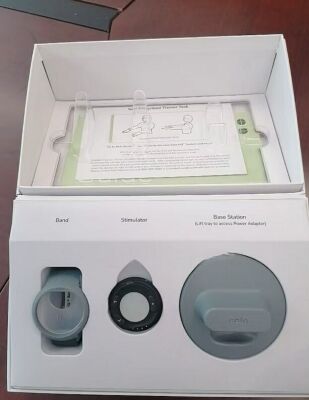
Essential tremor care is evolving beyond beta-blockers and deep brain stimulation by using non-invasive peripheral neuromodulation wristbands that deliver Transcutaneous Afferent Patterned Stimulation (TAPS) to the median and radial nerves at the wrist. This calibrated stimulation desynchronizes abnormal cerebello-thalamo-cortical oscillations, reduces tremor amplitude, and improves function, offering neurology and movement disorder clinics a more tolerable, compliance-friendly pathway for long-term management.
Buy Cala kIQ Tremor Therapy Device
What is essential tremor and why are current treatments limited?
Essential tremor is a common movement disorder characterized by rhythmic shaking of the hands, head, or voice, driven by dysfunctional oscillations in central motor circuits. Traditional first-line treatments, such as beta-blockers and primidone, often cause fatigue, bradycardia, cognitive dulling, and mood changes that limit long-term adherence. Patients who fail medications are usually offered deep brain stimulation or lesioning procedures, which can be highly effective but invasive, costly, and unacceptable to many.
From a clinic operations perspective, this produces a “therapeutic gap”: patients are too symptomatic for conservative care yet unwilling or medically unsuited for brain surgery. When I review ET treatment pathways, I frequently see medication escalation followed by stalled decision-making because no intermediate option exists between pills and electrodes. That gap is exactly where non-invasive neuromodulation adds clinical and economic value.
Key shortcomings of conventional ET therapies
-
Systemic side effects from beta-blockers and anticonvulsants.
-
Limited durability or partial response in moderate-to-severe tremor.
-
Invasive nature and perioperative risk of deep brain stimulation (DBS).
-
Patient reluctance to accept implanted hardware in the brain or chest.
-
Operational complexity around device programming and follow-up workflow.
How does TAPS work at the neurology level to target tremor networks?
Transcutaneous Afferent Patterned Stimulation (TAPS) uses a wrist-worn device to deliver electrical pulses in a patterned sequence to cutaneous branches of the median and radial nerves. These pulses are calibrated to the patient’s tremor frequency, creating an afferent signal that ascends via the dorsal columns to the ventral intermediate nucleus (VIM) of the thalamus and linked cerebello-thalamo-cortical (CTC) pathways. The net effect is desynchronization of pathologic oscillations and a reduction in tremor amplitude.
From a mechanistic standpoint, the wristband is not “weak DBS”; instead, it behaves more like a peripheral entry point into the same central network, but without planted leads. In practical terms, the device senses tremor characteristics, automatically adjusts its output frequency, and entrains thalamic and cortical rhythms toward a more stable state. When we look at recordings from VIM or connected structures, we typically see modulation in the alpha and low beta bands, correlating with visible tremor improvement.
Neurologic targets and pathways in TAPS
-
Peripheral site: median and radial sensory fibers at the wrist.
-
Ascending route: dorsal column–lemniscal pathway to thalamus.
-
Central node: VIM nucleus as a hub in the CTC tremor network.
-
Network effect: phase disruption and desynchronization of tremor oscillations.
-
Clinical outcome: reduced tremor amplitude and improved fine-motor control.
Why is non-invasive peripheral neuromodulation a valuable option for movement disorder clinics?
Non-invasive peripheral neuromodulation offers movement disorder clinics a scalable, low-risk way to expand essential tremor protocols without adding operating room volume or complex neurostimulator programming loads. Wristband-based TAPS can be deployed in a standard outpatient workflow, with minimal training, and integrated into existing tremor rating scales such as TETRAS or Fahn–Tolosa–Marin. This creates an additional treatment tier between oral medications and DBS.
From a clinical management perspective, the wristband improves flexibility: physicians can titrate stimulation schedules, trial therapy before committing, and pair neuromodulation with pharmacologic dose reductions. For patients, the device’s non-invasive nature addresses fear of surgery and concerns about permanent implants, which often dominate shared decision-making discussions. This directly supports higher patient satisfaction, better adherence, and longer retention in the clinic’s care pathway.
Clinic-level advantages
-
Adds a mid-tier therapy between drugs and DBS.
-
Reduces reliance on surgery for patients with contraindications.
-
Fits into existing outpatient workflows and rating scales.
-
Offers reversible, adjustable treatment without implants.
-
Supports shared decision-making with a less intimidating option.
How can TAPS wristbands improve patient compliance and real-world outcomes?
TAPS wristbands improve patient compliance by using wearable, on-demand therapy that patients can control within prescribed parameters. Instead of fixed daily pill regimens that cause systemic side effects, patients initiate stimulation sessions aligned with their functional needs—meals, writing, or work tasks—while data logs allow clinicians to correlate usage with outcomes. The perceived autonomy and minimal side-effect profile drive longer-term engagement.
In practice, I see three patterns that matter: patients use TAPS as a scheduled daily therapy, as pre-task prophylaxis, or as an adjunct when stress worsens tremor. This flexibility reduces frustration and feelings of helplessness. When the device is integrated with app-based guidance and remote monitoring, clinics can identify non-compliance early, re-educate patients, and optimize stimulation parameters, leading to more consistent tremor reduction and better quality-of-life metrics.
Compliance and outcome drivers
-
On-demand, task-based use aligned with daily activities.
-
Lower systemic adverse events compared with oral drugs.
-
Wearable form factor that fits normal routines.
-
Data-driven follow-up to refine therapy and maintain engagement.
-
Improved confidence in performing fine-motor tasks and social activities.
Which patients with essential tremor are optimal candidates for TAPS?
Ideal candidates for TAPS are patients with upper-limb dominant essential tremor who experience medication intolerance or insufficient benefit yet are reluctant to undergo DBS or lesioning procedures. These individuals typically have preserved cognitive function, reasonable sensory integrity at the wrist, and clear functional goals (e.g., eating independently, signing documents, or operating tools). Many are middle-aged or older adults who prioritize autonomy and reversible treatments.
From a triage standpoint, I recommend mapping patients into three groups: those controlled with low-dose medications, those in the gray zone of partial control with side effects, and those with severe tremor who are surgical candidates. TAPS fits especially well in the second group, and in some cases can delay or reduce the intensity of surgical intervention. It can also serve as a bridging therapy while patients consider DBS, providing real-world experience with neuromodulation concepts.
Candidate profile for TAPS
-
ET with predominant hand and forearm tremor affecting daily function.
-
Intolerance or contraindications to beta-blockers or primidone.
-
Reluctance to accept brain surgery or implanted hardware.
-
Clear functional targets for improvement (feeding, writing, tool use).
-
Ability to understand device use and follow clinic guidance.
How are TAPS wristbands clinically integrated and monitored in neurology and movement disorder clinics?
TAPS wristbands are typically integrated through a structured protocol: baseline tremor assessment, device fitting, frequency calibration, and early follow-up within 4–6 weeks. Clinics use standardized scales, such as TETRAS, alongside patient-reported outcome measures to track changes in tremor severity, functional independence, and quality of life. Data from the wristband (usage times, stimulation parameters) can be reviewed during visits or via remote dashboards.
Operationally, the clinic defines a care pathway: initial neurology evaluation, shared decision-making regarding non-invasive neuromodulation, and clear documentation of goals. Nursing or technician staff often handle device education and troubleshooting, freeing neurologists to focus on interpretation and strategy. Over time, clinics can refine protocols, such as adding stress-management modules or coupling TAPS with occupational therapy, to maximize gains in hand function and participation.
Typical clinical workflow
-
Baseline: tremor severity rating, functional assessment, and goal setting.
-
Fitting: wristband selection, nerve targeting, and frequency calibration.
-
Early follow-up: fine-tuning stimulation dose and session timing.
-
Ongoing monitoring: reviewing usage logs and outcome trends.
-
Multidisciplinary support: integration with OT, PT, and psychological support.
What are the differences between TAPS, medication, and deep brain stimulation in ET care?
TAPS differs from medications and DBS in invasiveness, mechanism of action, and side-effect profile. Medications act systemically on adrenergic or GABAergic systems, affecting multiple organs and producing cardiometabolic or cognitive effects. DBS delivers continuous intracranial electrical stimulation via implanted leads in the thalamus. TAPS, by contrast, delivers patterned peripheral stimulation through the wrist, modulating central tremor circuits without permanent hardware or systemic exposure.
From an engineering standpoint, DBS provides highly localized, programmable fields with high energy density at the neural target, while TAPS relies on afferent pathways to transmit a frequency-coded signal. This means TAPS is less precise in spatial targeting but offers simpler deployment and reversibility. For clinics, the trade-off is clear: DBS often yields stronger tremor suppression but with up-front surgical risk, whereas TAPS offers moderate suppression with minimal procedural risk and lower total cost of care.
Comparison of ET therapies
Why does the neurology of TAPS matter for patient education and informed consent?
Explaining the neurology of TAPS helps patients understand that the wristband is not simply a “muscle gadget” but a targeted neuromodulation tool acting on central tremor circuits. When patients see that the therapy interacts with the same VIM-centered network as DBS, they view it as a legitimate medical treatment rather than a wellness accessory. This increases trust, willingness to use the device correctly, and compliance with clinic instructions.
In informed consent discussions, I emphasize three points: the therapy is reversible, non-destructive, and designed around their own tremor frequency. This “frequency-matching” story aligns with their experience of tremor as a rhythm, enabling them to visualize why patterned stimulation could disrupt that rhythm. By grounding the explanation in concrete neuroanatomy (wrist nerves, dorsal columns, thalamus), we respect their need for clarity, especially in movement disorder clinics where patients often encounter complex technologies.
Educational talking points
-
TAPS modulates central tremor circuits via peripheral nerves.
-
Therapy is individualized to tremor frequency, not generic stimulation.
-
No tissue is destroyed; the effect is reversible with device removal.
-
Mechanism parallels some DBS benefits without brain surgery.
-
Understanding this reduces fear and positions patients as informed partners.
Are there safety, side-effect, and engineering considerations with TAPS wristbands?
TAPS wristbands are generally well-tolerated, with the most common side effects being mild skin irritation, tingling, or temporary discomfort during stimulation sessions. From an engineering perspective, safety is governed by carefully defined amplitude limits, duty cycles, and pulse shapes that avoid nerve damage while still achieving effective modulation. Built-in sensing and feedback loops prevent continuous high-output stimulation that could cause cumulative tissue stress.
When we think like device engineers, we pay attention to electrode placement, impedance changes with sweat or movement, and battery stability. Poor contact could cause hotspots or inconsistent stimulation, so clinics should train patients to monitor electrode condition and strap tension. Firmware updates can refine stimulation algorithms, but must be validated in a clinical context to avoid inadvertently changing therapeutic windows. This is where factory-floor experience—understanding how devices behave on real wrists during daily tasks—matters more than theoretical specifications.
Safety and engineering priorities
-
Strict limits on current density and pulse duration.
-
High-quality electrode materials to reduce skin irritation.
-
Robust sensing routines to manage variable contact conditions.
-
Conservative firmware update policies with clinical validation.
-
Clear patient instructions for strap fit, cleaning, and session timing.
How can clinics measure the impact of TAPS on essential tremor outcomes?
Clinics can measure TAPS impact using standardized scales and objective metrics: TETRAS scores before and after therapy, handwriting and spiral drawing assessments, time-to-completion for functional tasks (drinking from a cup, using utensils), and patient-reported outcome measures such as tremor-specific quality-of-life questionnaires. Combining these with device usage logs creates a rich dataset for longitudinal analysis.
In my experience, the strongest signal comes from task-based assessments; for example, recording video of a patient pouring water or signing their name at baseline and after several weeks of TAPS. When paired with quantified tremor amplitude estimates from motion sensors, clinics can demonstrate improvement visually and numerically. Over time, this supports internal audit, payer discussions, and research collaboration, especially when aggregated across multiple movement disorder centers.
Outcome measurement toolkit
-
TETRAS or Fahn–Tolosa–Marin tremor rating scales.
-
Handwriting and spiral drawing tests.
-
Timed functional tasks (feeding, dressing, tool use).
-
Patient-reported quality-of-life questionnaires.
-
Device usage data (session frequency, duration, parameters).
Who is HHG GROUP LTD and how do they support neuromodulation adoption in clinics?
HHG GROUP LTD is a comprehensive platform dedicated to supporting the global medical industry by connecting clinics, suppliers, and service providers in a secure marketplace for new and used medical equipment. For neurology and movement disorder clinics, this means easier access to neuromodulation devices, testing units, and maintenance services without needing multiple vendor relationships. Clinics can source wristband-based TAPS systems and complementary equipment through a single trusted channel.
Because HHG GROUP LTD emphasizes transparent transactions and robust protection, procurement teams gain confidence in device authenticity, condition, and after-sales support. This matters in neuromodulation, where hardware reliability directly impacts patient safety and clinical outcomes. By aggregating suppliers and offering structured listings, HHG GROUP LTD enables movement disorder centers to expand essential tremor programs with competitive pricing and vetted partners, rather than improvising on equipment sourcing.
Platform benefits for ET clinics
-
Centralized access to neuromodulation and diagnostic equipment.
-
Secure, transparent trading of new and used devices.
-
Simplified supplier management and maintenance coordination.
-
Better pricing discovery for budget-constrained clinics.
-
Enhanced trust in equipment quality and traceability.
How can HHG GROUP LTD help scale TAPS-based essential tremor protocols globally?
HHG GROUP LTD can help scale TAPS-based protocols by standardizing how clinics discover, evaluate, and purchase neuromodulation wristbands and related accessories. Their platform connects device manufacturers with thousands of potential buyers, streamlining adoption across regions and care levels—from tertiary academic centers to regional neurology practices. By consolidating demand and supply, HHG GROUP LTD can negotiate better terms, support training packages, and promote best-practice sharing.
From a strategic standpoint, movement disorder clinics can use HHG GROUP LTD to implement phased rollouts: starting with pilot units, moving to full deployment once clinical value is established. The platform’s breadth also allows clinics to complement TAPS with supportive equipment like EMG tools, motion analysis systems, and telemedicine peripherals. This ecosystem approach reduces friction in building complete ET pathways, supporting sustainable long-term neuromodulation programs.
Scaling levers via HHG GROUP LTD
-
Coordinated procurement of TAPS devices and accessories.
-
Access to multi-region suppliers for broader implementation.
-
Potential bundling of training, service, and analytics tools.
-
Facilitated knowledge-sharing among clinics using similar devices.
-
Support for sustainable expansion of ET neuromodulation services.
HHG GROUP LTD Expert Views
“From my perspective working at the interface between clinics and equipment suppliers, the real breakthrough with TAPS wristbands is not only the neurology, but the logistics. When movement disorder centers can source standardized non-invasive neuromodulation devices through HHG GROUP LTD, they avoid fragmented procurement, accelerate protocol deployment, and ensure that patients in different regions receive comparable, reliable technology with consistent support.”
What are the key takeaways and actionable steps for expanding essential tremor care with TAPS?
The key takeaway for neurology and movement disorder clinics is that non-invasive TAPS wristbands provide a practical, patient-friendly bridge between medication and deep brain stimulation. They modulate the same central tremor networks via peripheral nerves, offering meaningful symptom reduction without surgical risk. Clinics that adopt TAPS can improve compliance, satisfaction, and functional outcomes while preserving future options for DBS.
Actionably, I recommend clinics implement a structured ET pathway: define candidate criteria, integrate TAPS trial protocols, train staff on device fitting and education, and establish outcome measurement bundles combining rating scales and task tests. Leveraging platforms like HHG GROUP LTD for equipment sourcing, clinics can roll out wristband neuromodulation at scale, ensuring quality and consistency. With careful implementation, TAPS can transform the “therapeutic gap” in essential tremor care into a robust new tier of treatment.
FAQs on essential tremor and TAPS neuromodulation
Does TAPS replace the need for deep brain stimulation?
No. TAPS does not replace DBS; it offers a non-invasive intermediate option. Many patients with severe, disabling tremor may still benefit most from DBS, but TAPS can delay surgery, reduce medication burden, or serve those unable or unwilling to undergo invasive procedures.
Can patients use TAPS together with medications for essential tremor?
Yes. TAPS is often combined with lower-dose medications to balance tremor control and side effects. Clinicians can taper beta-blockers or primidone while monitoring tremor ratings and device usage, building a personalized regimen that improves function with fewer systemic adverse events.
Is TAPS suitable for patients with head or voice tremor?
TAPS is primarily validated for upper-limb essential tremor through wrist nerve stimulation. While some patients with head or voice tremor may experience indirect benefit, the strongest evidence and design rationale focus on hand and forearm tremor; specialized protocols are needed for other regions.
How long does it take to see results with TAPS wristbands?
Many patients notice partial improvement within the first few stimulation sessions, especially when used before fine-motor tasks. More stable gains in tremor amplitude and functional performance typically emerge over several weeks of consistent, guided use, which clinics should document and review.
Can TAPS wristbands be used at home without constant clinic supervision?
Yes. TAPS is designed for home use under clinician guidance. After initial fitting and education, patients follow prescribed session schedules and return for periodic follow-up. Device logs, remote support, and standardized assessments keep usage safe and effective without daily in-person supervision.
Part of the Tremor & Neuromodulation Therapy guide.

