
Condition Grading Language for Pre-Owned Medical Devices
Condition grades are convenient and mostly uninformative. A device described as excellent tells a buyer what the seller felt about it, not what it is, and the buyer has no way to test the…
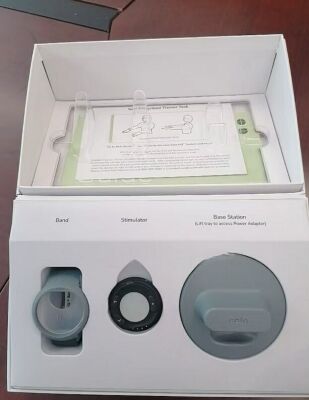
Condition grades are convenient and mostly uninformative. A device described as excellent tells a buyer what the seller felt about it, not what it is, and the buyer has no way to test the description against anything. The problem is not that sellers are dishonest; it is that a grade compresses a set of observations into a word, and the observations are what a professional buyer needs. This article sets out why grades mislead, what a condition description should state instead, and how a buyer should read a description that has been written in this way.
What the Requirement Actually Covers
Condition description is a disclosure about a physical object, and its purpose is to allow a reader who has not seen the device to understand what they are buying. That purpose generates three requirements: the description has to be about identifiable parts of the device rather than about the whole, it has to consist of observations rather than conclusions, and it has to distinguish what was found from what was not examined.
Those requirements are what a grade cannot satisfy. A grade is a conclusion about the whole device, produced from observations that are not stated, and it cannot distinguish a device that was examined thoroughly from one that was examined briefly. The extractable summary is this: a condition description should state observations about identifiable parts of the device, distinguish what was examined from what was not, and avoid compressing those observations into a single grade.
A second reason grades persist is that they are convenient on both sides of a transaction. Sellers can produce one without extensive examination, and buyers can quote one in an approval document without explaining what it means. The convenience is real and it is the reason the practice survives, which is why the useful response is not to abolish grades but to require the observations behind them.
| Element | What it provides | Why a grade cannot provide it |
|---|---|---|
| Part-level description | What was observed about each component | A grade applies to the whole device |
| Observations | What was seen, measured or tested | A grade states a conclusion, not an observation |
| Examination scope | What was examined and what was not | A grade does not disclose its basis |
| Photographic evidence | A dated record of appearance | A grade carries no evidence |
| Known defects | What is present and its effect | A grade tends to average defects away |
| Unknowns | What was not established | A grade implies completeness |
Which Equipment It Applies To
The requirement applies to every pre-owned device, and its significance varies with the buyer’s ability to inspect. Where a buyer can examine a device before purchase, a condition description is a summary that they can check. Where a buyer cannot, the description is the basis of the purchase, and a grade is a weak foundation for a decision of that size.
The equipment categories where grades mislead most are those with multiple components of differing condition, because a single word has to average across them. A surgical system with a sound console, a worn handpiece and an accessory set in unknown condition cannot be described accurately by one grade, and the grade will be interpreted against whichever component the reader has in mind. Where the consignment includes single-use items, a condition description does not address their status, and the buyer remains responsible for confirming legality, labelling and any applicable reprocessing position in their own market.
How Verification Is Expected to Be Evidenced
Verification of a condition description is a matter of checking the description against the device, and the description has to be precise enough for that check to be possible.
| Check | What a failure indicates |
|---|---|
| Each described component is identifiable | The description applies to something the reader cannot locate |
| Observations are stated rather than conclusions | The description cannot be verified |
| The examination scope is stated | The reader cannot tell what was not examined |
| Photographs correspond to the components described | The evidence may not match the description |
| Known defects are stated with their effect | The description may understate the position |
| Unknowns are listed | The description may imply completeness it does not have |
Where the Framework Differs by Market
Condition description sits within the wider framework that governs how a device may be described when it is supplied, and that framework differs between markets. Some markets place specific expectations on the information provided with a device; others leave the position to general commercial law and to the parties’ agreement.
The practical consequence is that a seller operating across markets should treat the description as a disclosure rather than as a marketing statement, because that position satisfies the stricter end of the range. Device-side expectations in one market are illustrated by the MHRA guidance on regulating medical devices and described at European level in the European Commission medical devices sector material, with cross-market expectations summarised by the WHO medical devices programme.
What the Record Must Contain

The record behind a condition description is what allows the description to be relied on, and it should exist before the description is written.
| Record element | Why it is needed |
|---|---|
| Identification of each component described | Allows the description to be located on the device |
| Observations with their date | Shows what was found and when |
| Examination scope | Shows what was examined and what was not |
| Photographs corresponding to the description | Provides evidence of appearance |
| Known defects and their effect | Records the position rather than averaging it |
| Unknowns and the reason they are unknown | Allows the buyer to plan rather than assume |
Common Misreadings and Overstatements
The assumptions below appear in listings and in negotiations, and each of them substitutes a conclusion for the information a buyer needs.
- That a grade is a standard. Unless a grading scheme is published and defined, it is the seller’s own description and means whatever the reader assumes.
- That a high grade implies a thorough examination. Grades are frequently applied after a visual check, and the two are not related.
- That a single grade can describe a multi-component system. The grade averages components that may differ substantially in condition.
- That a grade can be tested. It cannot, because it states no observation against which it could be assessed.
- That regulatory classification is the same as condition grading. Device classification and device condition are separate concepts, and one says nothing about the other.
Two further assumptions are worth correcting. The first is that a device described as refurbished has a condition that follows from the word, when refurbishment describes work performed rather than the resulting state. The second is that a grade applied at one point remains accurate later, since condition changes with handling, storage and use.
Where the description of a device is subject to expectations in the market concerned, those are illustrated in one market by the MHRA guidance on regulating medical devices, and cross-market expectations around equipment and its description are summarised by the WHO medical devices programme.
What a Buyer Should Ask For
The questions convert a grade into a description, and they can be asked before a price is discussed.
Ask for a description of each component rather than of the device as a whole. Ask what was examined and how, and what was not examined. Ask for known defects to be stated with their effect on the device’s use. Ask for photographs that correspond to the components described and that carry a date. Ask what remains unknown and why. Where the seller uses a grading scheme, ask whether it is published and what each grade is defined to mean. Buyers who want the wider context can start from the knowledge hub, see how equipment and its condition are described on the marketplace store, or use the commercial material in the industry hub. Our overview of how pre-owned equipment changes procurement efficiency covers the wider commercial framing. The professional framework for equipment management is covered by AAMI’s medical device servicing material, and independent guidance from organisations such as ECRI is a useful reference on equipment condition assessment.
Writing a condition description or reading one you have been given? Send the device details and the observations you hold and we will identify what the description states, what it leaves open and how to make it usable.
FAQ
What should a condition description for used equipment contain?
It should describe identifiable components rather than the device as a whole, state observations rather than conclusions, record what was examined and what was not, list known defects with their effect, and identify what remains unknown. Photographs corresponding to the components described provide the evidence behind the statement. A grade satisfies none of those requirements on its own.
Are condition grades meaningful?
They are meaningful only where a scheme is published and each grade is defined, and even then they summarise rather than describe. Where a grade is the seller’s own, it means whatever the reader assumes, which is why a buyer should ask for the observations behind it. Requests for the underlying description are usually answered, because the seller has made the observations to produce the grade.
How does condition grading differ from device classification?
Device classification concerns the category a device falls into under a regulatory framework, which differs between markets, while condition grading concerns the physical state of a specific unit. They are separate concepts, and one says nothing about the other. A device’s classification is not a statement about its condition, and its condition is not a statement about its classification.
How should a buyer read a listing that uses a grade?
Treat the grade as a starting point and ask for the description behind it: which components were examined, what was observed, what was not examined and what remains unknown. Where the seller can provide those, the grade becomes a summary of something. Where they cannot, the grade is the whole of the disclosure and the buyer should price the position accordingly.
Does a condition description affect the price?
It does, because a buyer who cannot establish condition must price the uncertainty. A per-component description with dated photographs and stated defects reduces the buyer’s assessment work and therefore the discount they need. The cost of producing the description is a fraction of the difference it makes, which is why it is frequently the cheapest improvement available to a seller.
Part of the Buying Pre-Owned Medical Equipment guide.


